Recovery After ICU Stay: What Patients Should Expect
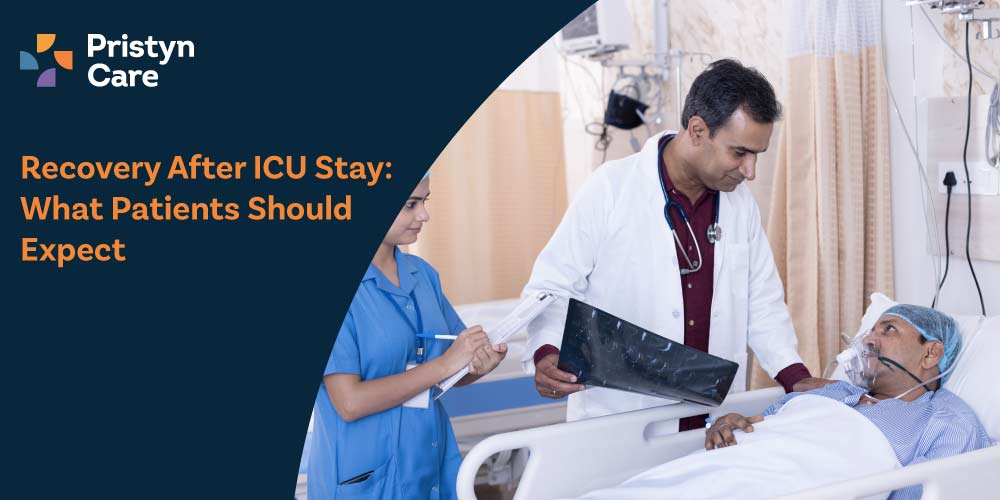
An ICU (Intensive Care Unit) stay is often necessary for managing severe or life-threatening conditions. However, recovery does not end at discharge. Understanding recovery after an ICU stay—what patients should expect helps patients and families prepare for the physical, emotional, and psychological healing process.
MEDICALLY REVIEWED CONTENT
✍WRITTEN & 🔍REVIEWED BY
Pristyn Care Team
Healthcare Expert
Updated On - May 1, 2026
Book Your FREE Consultation Now
Dedicated Support at Every Step!
Our Doctors are available 24 hours a day, 7 days a week to help you!
Table of Contents
What Happens After an ICU Stay?
Patients who required critical care—often due to conditions like Sepsis or severe illness—may experience a gradual recovery phase known as post-ICU recovery.
We take care of you
Get Your Surgery Done with No Cost EMI, Hassle-free Insurance Approval
Common Effects After ICU Discharge
1. Physical Weakness
Muscle loss due to prolonged bed rest
Difficulty walking or performing daily activities
2. Fatigue
Persistent tiredness even after minor activity
May take weeks to months to improve
3. Breathing Difficulties
Especially if ventilator support was used
Gradual improvement with therapy
4. Cognitive Changes
Memory problems
Difficulty concentrating
Confusion (temporary in many cases)
5. Emotional and Psychological Impact
Anxiety or depression
Sleep disturbances
Post-traumatic stress (in some patients)
What Is Post-Intensive Care Syndrome (PICS)?
Post-Intensive Care Syndrome refers to a group of:
Physical
Cognitive
Emotional symptoms
that persist after ICU discharge.
Recovery Timeline
First Few Weeks: Gradual improvement in strength and energy
1–3 Months: Better mobility and reduced fatigue
3–6 Months (or longer): Continued recovery depending on severity
Recovery varies widely based on the illness and overall health.
How to Support Recovery
1. Physical Rehabilitation
Physiotherapy to regain strength
Gradual increase in activity
2. Balanced Nutrition
High-protein diet for muscle recovery
Adequate hydration
3. Mental Health Support
Counseling or therapy if needed
Family support plays a key role
4. Follow-Up Medical Care
Regular check-ups
Monitoring for complications
5. Good Sleep Hygiene
Maintain a regular sleep schedule
Create a calm sleep environment
When Should You Seek Medical Help?
Persistent or worsening weakness
Severe breathlessness
Memory or confusion issues
Symptoms of depression or anxiety
Free ICU Surgery Cost Calculator
Fill details to get actual cost
Enter a valid name
Enter a valid 10-digit mobile number
Please enter a valid city
×
Your Form has been submitted successfully.
Our care coordinator will call you shortly.
Tips for Caregivers
Be patient with recovery progress
Encourage gradual independence
Monitor for warning signs
Pristyncare App
Download app to get more features for free
Check Symptoms
Cowin Certificate
Period Tracker
Dental Aligners
Final Thoughts
Recovery after an ICU stay is a gradual process that involves more than just physical healing. Many patients experience a combination of physical, emotional, and cognitive challenges.
With proper rehabilitation, medical support, and patience, most individuals can regain independence and improve their quality of life over time.



 Views: 171