


 Views: 0
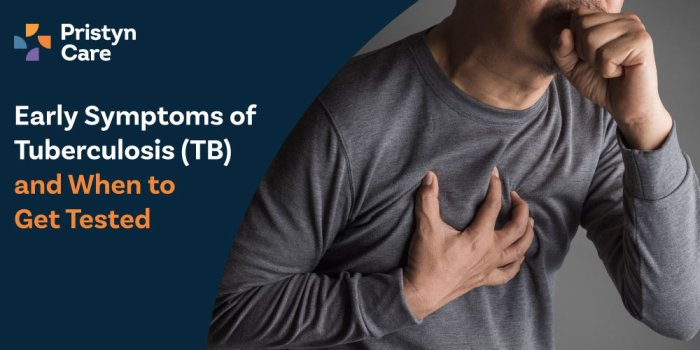
Early Symptoms of Tuberculosis (TB) and When to Get Tested
Tuberculosis (TB) is a serious infectious disease that primarily affects the lungs but can also involve other parts of the body. Despite being treatable and curable, TB often goes undiagnosed in its early stages because symptoms can be mild or mistaken for common respiratory infections.

Social share:


Dedicated Support at Every Step!
Our Doctors are available 24 hours a day, 7 days a week to help you!

Recognizing the early symptoms of tuberculosis and knowing when to get tested is essential for timely treatment and preventing its spread.
Table of Contents
What Is Tuberculosis?
Tuberculosis is caused by a bacterium called Mycobacterium tuberculosis. It spreads through the air when an infected person coughs, sneezes, or speaks. Not everyone infected with TB becomes sick immediately—some may have latent TB, where the bacteria remain inactive but can become active later.
No Cost EMI, Hassle-free Insurance Approval
Early Symptoms of Tuberculosis You Should Not Ignore
1. Persistent Cough
A cough lasting more than 2–3 weeks is one of the earliest and most important signs of TB. It may start as a dry cough and later become productive.
2. Coughing Up Phlegm or Blood
As the infection progresses, you may notice mucus (phlegm) or even blood in your cough. This is a warning sign that requires immediate medical attention.
3. Unexplained Weight Loss
Sudden or gradual weight loss without any clear reason can be an early indicator of TB.
4. Fever and Chills
Low-grade fever, especially in the evening, along with chills, is commonly seen in TB patients.
5. Night Sweats
Excessive sweating during the night, even in a cool environment, is a classic symptom of TB.
6. Fatigue and Weakness
Persistent tiredness, reduced energy levels, and general weakness can occur due to the body’s ongoing fight against infection.
7. Chest Pain
Pain in the chest, especially while breathing or coughing, may indicate lung involvement.
8. Loss of Appetite
Reduced appetite is another early sign that often accompanies weight loss and fatigue.
Who Is at Higher Risk?
Certain individuals are more likely to develop active TB:
- People with weakened immune systems
- Individuals with diabetes or chronic illnesses
- Smokers or those exposed to air pollution
- Close contacts of TB patients
- People living in crowded or poorly ventilated conditions
When Should You Get Tested for TB?
You should consider getting tested if:
- You have a cough lasting more than 2–3 weeks
- You experience unexplained weight loss or persistent fever
- You have night sweats and fatigue
- You have been in close contact with someone diagnosed with TB
- You belong to a high-risk group
Early testing not only helps in timely treatment but also reduces the risk of spreading the infection to others.
How Is Tuberculosis Diagnosed?
Doctors may recommend one or more of the following tests:
- Sputum test: To detect TB bacteria in mucus
- Chest X-ray: To identify lung infection
- Mantoux (skin) test: To check immune response to TB bacteria
- Blood tests: To confirm infection
Is Tuberculosis Treatable?
Yes, TB is completely treatable with a proper course of antibiotics. However, treatment usually lasts for 6–9 months, and it is important to complete the full course to prevent drug resistance and recurrence.
Why Early Detection Matters
Ignoring early symptoms can lead to:
- Severe lung damage
- Spread of infection to others
- Complications affecting other organs
- Development of drug-resistant TB
Early diagnosis ensures better outcomes and faster recovery.
Preventing the Spread of TB
- Cover your mouth while coughing or sneezing
- Ensure good ventilation in living spaces
- Avoid close contact with infected individuals
- Follow treatment guidelines strictly if diagnosed


Final Thoughts
Tuberculosis may start with mild symptoms, but it can become serious if not detected early. A persistent cough, unexplained weight loss, and night sweats should never be ignored.
If you notice any of these symptoms or fall into a high-risk category, getting tested at the right time can make a life-saving difference. Early diagnosis and complete treatment are the key to controlling and eliminating TB.
Author:


Related Calculators

Dedicated Support at Every Step!
Our Doctors are available 24 hours a day, 7 days a week to help you!


