


 Views: 0
Early Warning Signs of Hypertension You Should Know
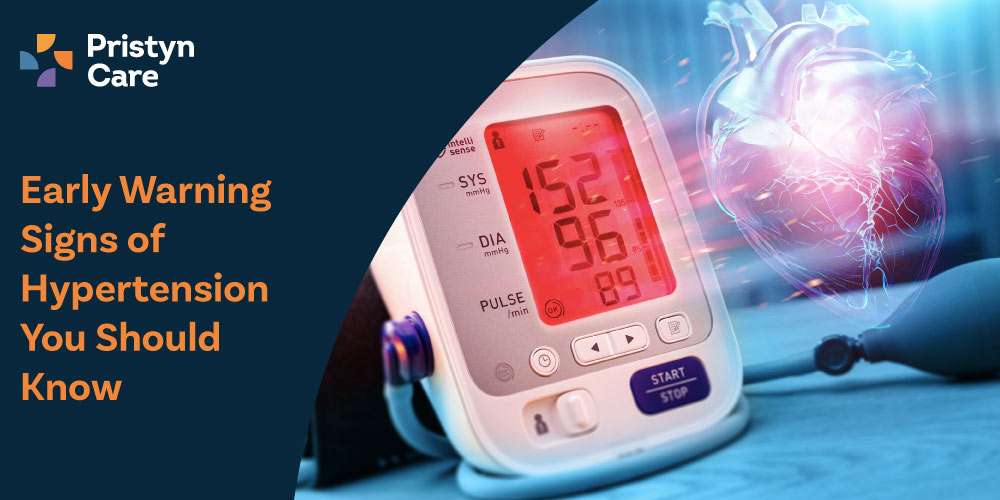
Hypertension (high blood pressure) is often called a “silent condition” because it usually develops without noticeable symptoms. However, in some cases, the body does give early warning signs - subtle signals that should not be ignored.

Social share:


Dedicated Support at Every Step!
Our Doctors are available 24 hours a day, 7 days a week to help you!

Understanding the early warning signs of hypertension you should know can help with timely diagnosis and prevent serious complications.
Table of Contents
What Is Hypertension?
Hypertension occurs when the force of blood against the artery walls remains consistently high, putting strain on the heart and blood vessels over time.
No Cost EMI, Hassle-free Insurance Approval
Why Early Detection Matters
Uncontrolled blood pressure can lead to:
- Heart disease
- Stroke
- Kidney damage
- Vision problems
Since symptoms are often mild or absent, recognizing early signs becomes crucial.
Early Warning Signs of Hypertension
1. Frequent Headaches
- Often felt at the back of the head
- More noticeable in the morning
- Can be persistent or throbbing
2. Dizziness or Lightheadedness
- Feeling unsteady or faint
- May occur during sudden movements
3. Blurred Vision
- Caused by pressure affecting blood vessels in the eyes
- Can worsen over time if untreated
4. Nosebleeds
- Occasional unexplained nosebleeds
- More common in cases of significantly high blood pressure
5. Shortness of Breath
- Difficulty breathing during routine activities
- May indicate strain on the heart
6. Chest Discomfort
- Tightness or mild pain in the chest
- Should never be ignored
7. Fatigue or Weakness
- Unusual tiredness without clear reason
- Reduced energy levels
8. Irregular Heartbeat
- Palpitations or a feeling of a racing heart
Important Note
Many people with hypertension experience no symptoms at all. That’s why regular blood pressure monitoring is essential - even if you feel completely healthy.
Risk Factors for Hypertension
You may be at higher risk if you:
- Are overweight or physically inactive
- Consume a high-salt diet
- Have a family history of hypertension
- Smoke or consume alcohol regularly
- Experience chronic stress
When Should You Get Checked?
You should check your blood pressure if:
- You notice any of the symptoms mentioned above
- You are above 30–40 years of age
- You have risk factors or a family history
Routine screening is the best way to detect hypertension early.
How to Prevent or Control Hypertension
1. Maintain a Healthy Diet
- Reduce salt intake
- Eat more fruits and vegetables
2. Stay Physically Active
- Engage in regular exercise
3. Manage Stress
- Practice relaxation techniques
4. Avoid Smoking and Limit Alcohol
- Both increase blood pressure levels
5. Follow Medical Advice
- Take prescribed medications regularly if diagnosed
When Should You See a Doctor?
Consult a doctor immediately if:
- You have persistent symptoms
- Blood pressure readings are consistently high
- You experience chest pain, severe headache, or vision issues


Final Thoughts
Hypertension may not always show clear symptoms, but subtle warning signs can indicate rising blood pressure. Ignoring these signals can lead to serious health complications over time.
Regular monitoring, awareness of early symptoms, and timely medical care are key to managing blood pressure effectively and maintaining long-term health.
Author:


Related Calculators

Dedicated Support at Every Step!
Our Doctors are available 24 hours a day, 7 days a week to help you!


