


 Views: 0
How Malaria Spreads and Prevention Tips
Malaria remains one of the most common infectious diseases in many parts of the world, including India. Understanding how it spreads is essential to prevent infection and protect yourself and your family.

Social share:


Dedicated Support at Every Step!
Our Doctors are available 24 hours a day, 7 days a week to help you!

This guide explains the transmission of malaria, common misconceptions, and practical prevention tips.
Table of Contents
What Causes Malaria?
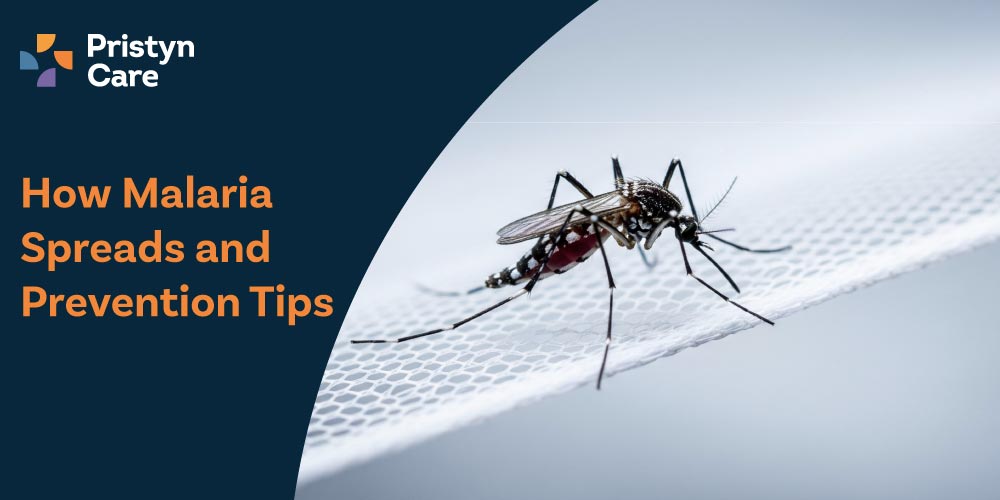
Malaria is caused by Plasmodium parasites, which are transmitted to humans through the bite of infected female Anopheles mosquitoes. These mosquitoes typically bite during the evening and nighttime.
No Cost EMI, Hassle-free Insurance Approval
How Malaria Spreads
1. Mosquito Bite (Primary Mode of Transmission)
The most common way malaria spreads is:
- An infected mosquito bites a person
- The parasite enters the bloodstream
- It travels to the liver and multiplies
- It infects red blood cells, causing symptoms
Once infected, a person can then pass the parasite to another mosquito, continuing the cycle.
2. Human-to-Mosquito-to-Human Cycle
Malaria follows a cycle:
- Infected human → mosquito bites → mosquito becomes infected
- Infected mosquito → bites another person → infection spreads
This cycle continues in areas where mosquitoes are prevalent.
3. Blood Transfusion (Rare)
Malaria can spread through:
- Infected blood transfusion
- Organ transplant from an infected donor
However, this is rare due to strict screening protocols.
4. From Mother to Child (Congenital Malaria)
In some cases, malaria can pass:
- From a pregnant woman to her unborn baby
This is uncommon but can be serious.
Common Myths About Malaria Spread
Myth 1: Malaria spreads through air
Fact: It does NOT spread through coughing or sneezing
Myth 2: Malaria spreads by touching an infected person
Fact: It is NOT contagious through physical contact
Myth 3: Eating certain foods causes malaria
Fact: Only mosquito bites transmit malaria
When Are You Most at Risk?
- During monsoon and post-monsoon seasons
- In areas with stagnant water
- At night or early morning when mosquitoes are active
- In regions with high malaria prevalence
Symptoms After Infection
Symptoms usually appear within 7–14 days and include:
- Fever with chills
- Sweating
- Headache
- Body aches
- Fatigue
Early detection is key to preventing complications.
Effective Prevention Tips
1. Avoid Mosquito Bites
- Use mosquito repellents (creams, sprays, patches)
- Wear full-sleeve clothing
- Use mosquito nets while sleeping
2. Keep Your Surroundings Clean
- Avoid stagnant water in coolers, pots, and drains
- Change stored water regularly
- Cover water tanks properly
3. Use Indoor Protection
- Install window screens
- Use electric mosquito repellents or coils
- Spray insecticides when needed
4. Take Extra Precautions While Traveling
If visiting high-risk areas:
- Carry mosquito repellent
- Sleep under insecticide-treated nets
- Consult a doctor for preventive medication (if required)
5. Protect High-Risk Individuals
Special care should be taken for:
- Children
- Pregnant women
- Elderly individuals
They are more vulnerable to severe malaria.
Role of Immunity in Malaria
People living in malaria-prone regions may develop partial immunity over time. However:
- This does not provide complete protection
- Reinfection is still possible
Community-Level Prevention
- Regular fogging by local authorities
- Public awareness campaigns
- Proper waste and water management
Preventing malaria requires both individual and community efforts.
What to Do If You Suspect Malaria
- Do not ignore fever with chills
- Get a blood test immediately
- Start treatment as prescribed
- Avoid self-medication
Early treatment prevents complications and reduces spread.
Why Prevention Is Important
Malaria can lead to serious complications if untreated:
- Severe anemia
- Organ failure
- Brain involvement (cerebral malaria)
- Death in severe cases
Prevention is always safer and easier than treatment.


Final Thoughts
Malaria spreads primarily through mosquito bites, making prevention strategies focused on mosquito control and personal protection highly effective.
Simple steps like maintaining cleanliness, using mosquito protection, and seeking early medical care can significantly reduce the risk of infection.
Being aware and proactive is the best way to stay protected from malaria.
Author:


Related Calculators

Dedicated Support at Every Step!
Our Doctors are available 24 hours a day, 7 days a week to help you!


