


 Views: 0
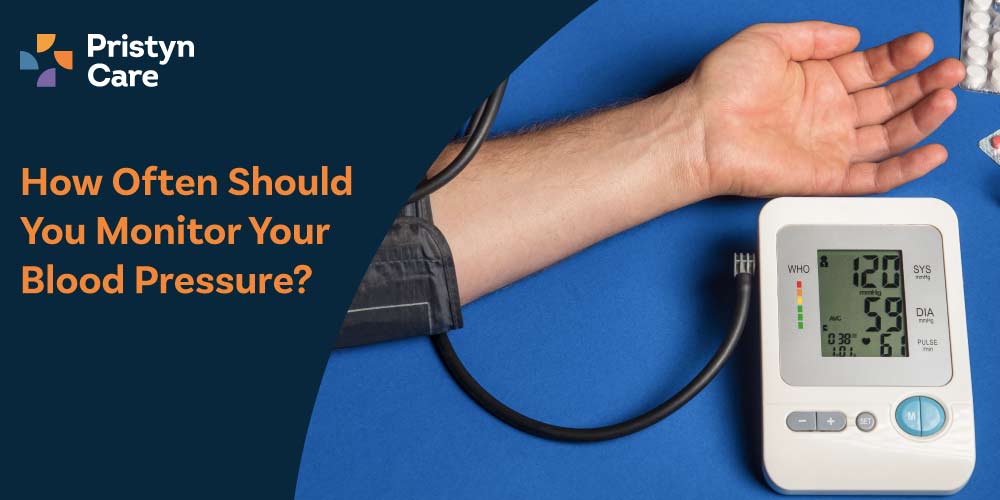
How Often Should You Monitor Your Blood Pressure?
Blood pressure is one of the most important indicators of your overall health. Yet, many people only check it when they feel unwell - which can be risky because high blood pressure (hypertension) often shows no symptoms.

Social share:


Dedicated Support at Every Step!
Our Doctors are available 24 hours a day, 7 days a week to help you!

Regular monitoring helps in early detection, better management, and prevention of serious complications like heart disease, stroke, and kidney problems. But how often should you actually check your blood pressure? The answer depends on your health status, age, and risk factors.
Table of Contents
Why Is Regular Blood Pressure Monitoring Important?
Monitoring your blood pressure regularly helps you:
- Detect hypertension early
- Track the effectiveness of treatment
- Prevent complications like heart attack and stroke
- Identify sudden spikes or fluctuations
- Stay proactive about your health
Since hypertension is often silent, routine checks are the only way to catch it early.
No Cost EMI, Hassle-free Insurance Approval
Ideal Blood Pressure Range
Understanding your numbers is key:
- Normal: Below 120/80 mmHg
- Elevated: 120–129 / <80 mmHg
- Hypertension Stage 1: 130–139 / 80–89 mmHg
- Hypertension Stage 2: ≥140 / ≥90 mmHg
If your readings fall outside the normal range, monitoring becomes even more important.
How Often Should You Check Your Blood Pressure?
1. If Your Blood Pressure Is Normal
- Check once every 6–12 months
- Maintain a healthy lifestyle
- Routine checks during annual health exams are usually sufficient
2. If You Have Elevated Blood Pressure
- Monitor every 3–6 months
- Focus on lifestyle changes (diet, exercise, stress management)
- More frequent checks may help prevent progression to hypertension
3. If You Have Diagnosed Hypertension
- Check at least 1–2 times per week at home
- In some cases, daily monitoring may be advised
- Keep a log to share with your doctor
4. If You Are Starting or Changing Medication
- Monitor daily or as advised by your doctor
- Helps assess how well the medication is working
- Adjustments can be made based on readings
5. If You Have Other Health Conditions
People with the following conditions may need more frequent monitoring:
- Diabetes
- Kidney disease
- Heart disease
- Pregnancy (especially high-risk cases)
In such cases, your doctor may recommend daily or even multiple readings per day.
6. For Older Adults (Above 60 Years)
- Check at least once a week
- Blood pressure tends to fluctuate more with age
- Regular monitoring helps prevent complications
Best Time to Measure Blood Pressure
For accurate readings:
- Measure at the same time every day
- Preferably:
- Morning (before eating or taking medications)
- Evening (before dinner)
Avoid checking immediately after:
- Exercise
- Caffeine intake
- Smoking
- Stressful situations
How to Measure Blood Pressure Correctly at Home
Accurate technique is essential for reliable results.
Follow These Steps:
- Sit comfortably with your back supported
- Keep feet flat on the floor (don’t cross legs)
- Rest your arm at heart level
- Relax for 5 minutes before measuring
- Use a properly fitted cuff
- Take 2 readings and average them
Home Monitoring vs Clinic Readings
Home Monitoring
- More frequent and convenient
- Helps detect “white coat hypertension” (higher BP in clinic due to anxiety)
- Provides a better picture of daily BP patterns
Clinic Monitoring
- Done by professionals
- Useful for diagnosis and periodic evaluation
A combination of both is often recommended.
When Should You Check More Frequently?
Increase monitoring if you experience:
- Headaches or dizziness
- Chest pain
- Shortness of breath
- Sudden vision changes
- Irregular heartbeat
These may indicate blood pressure fluctuations that need medical attention.
Benefits of Regular Monitoring
- Early detection of hypertension
- Better treatment outcomes
- Reduced risk of complications
- Improved awareness and control
- Empowerment to manage your health
Common Mistakes to Avoid
- Measuring BP immediately after physical activity
- Talking during measurement
- Using the wrong cuff size
- Ignoring consistent high readings
- Checking too frequently without need (can cause anxiety)
Do You Need a Home Blood Pressure Monitor?
Yes, especially if you:
- Have hypertension
- Are at risk of heart disease
- Are on BP medication
- Need regular tracking
Choose a validated automatic digital monitor for ease and accuracy.
When to See a Doctor?
Consult a doctor if:
- Your readings are consistently above 130/80 mmHg
- You notice sudden spikes or drops
- You experience symptoms like chest pain or dizziness
- Your medication does not seem effective
Early intervention can prevent serious complications.
Can Regular Monitoring Prevent Hypertension?
Monitoring itself doesn’t prevent hypertension, but it helps you:
- Take early action
- Make necessary lifestyle changes
- Avoid complications
Combined with healthy habits, it plays a major role in prevention.
FAQs
1. Is it okay to check blood pressure every day?
Yes, especially if you have hypertension or are on medication. Follow your doctor’s advice.
2. Can I check my BP multiple times a day?
Only if recommended. Excessive checking without need may cause anxiety.
3. What is the best time to check BP?
Morning and evening, at the same time daily, for consistent readings.
4. Should I check BP if I feel fine?
Yes, because high blood pressure often has no symptoms.
5. Can stress affect my readings?
Yes, stress can temporarily increase blood pressure, so always measure in a relaxed state.


Final Takeaway
There is no one-size-fits-all answer to how often you should monitor your blood pressure. It depends on your current health status, risk factors, and medical history.
- If your BP is normal, occasional checks are enough
- If elevated or high, regular monitoring becomes essential
- If on treatment, consistent tracking ensures better control
By making blood pressure monitoring a routine part of your health care, you can detect problems early, manage them effectively, and protect your heart in the long run.
Author:


Related Calculators

Dedicated Support at Every Step!
Our Doctors are available 24 hours a day, 7 days a week to help you!


