


 Views: 1
How to Identify a Fracture vs a Sprain
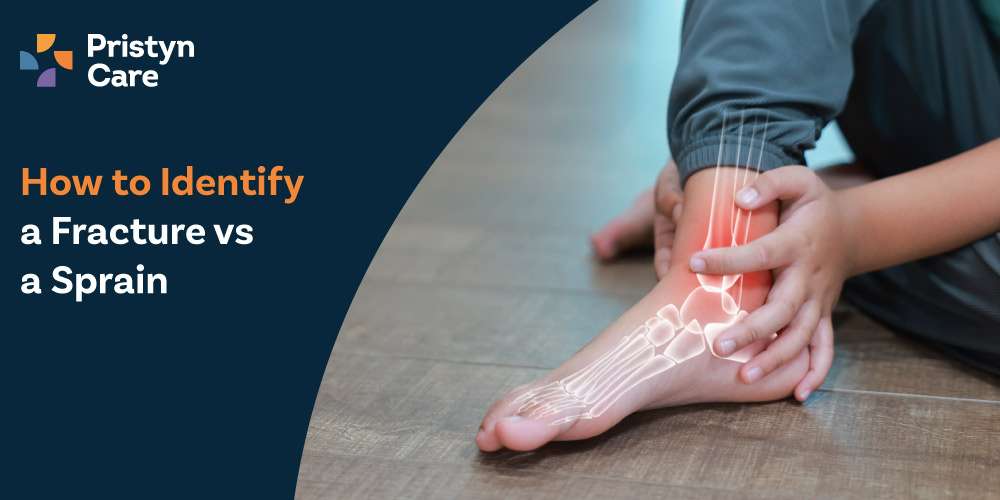
Injuries involving pain, swelling, or limited movement are often confusing - especially when trying to differentiate between a fracture and a sprain. While both conditions can appear similar initially, their severity, treatment, and recovery differ significantly.

Social share:


Dedicated Support at Every Step!
Our Doctors are available 24 hours a day, 7 days a week to help you!

Understanding how to identify a fracture vs a sprain can help you take the right action and avoid complications.
Table of Contents
What Is a Fracture?
A fracture is a break or crack in a bone, usually caused by trauma such as a fall, accident, or direct impact.
Common Causes
- Falls or slips
- Sports injuries
- Road accidents
- Direct blows to the body
No Cost EMI, Hassle-free Insurance Approval
What Is a Sprain?
A sprain is an injury to the ligaments (the tissues connecting bones), caused by overstretching or tearing.
Common Causes
- Twisting injuries
- Sudden movements
- Sports activities
- Uneven surfaces while walking
Fracture vs Sprain: Key Differences
1. Nature of Injury
- Fracture: Damage to the bone
- Sprain: Damage to ligaments
2. Pain Intensity
- Fracture: Severe, sharp pain, often immediate
- Sprain: Moderate to severe pain, may worsen with movement
3. Swelling and Bruising
- Both can cause swelling and bruising, but:
- Fracture: Swelling appears quickly and may be more intense
- Sprain: Swelling develops gradually
4. Ability to Move
- Fracture: Movement is extremely painful or impossible
- Sprain: Limited movement, but usually still possible
5. Deformity
- Fracture: Visible deformity or abnormal positioning may be present
- Sprain: No deformity, though swelling can distort appearance
6. Sound at Time of Injury
- Fracture: You may hear a “crack” or “snap”
- Sprain: Often no sound or a mild “pop”
Warning Signs of a Fracture
Seek immediate medical attention if you notice:
- Severe pain that doesn’t improve
- Visible deformity
- Inability to bear weight or use the limb
- Bone protruding through the skin (open fracture)
- Numbness or tingling
Signs of a Sprain
- Pain around a joint (like ankle or wrist)
- Swelling and bruising
- Difficulty moving the joint
- Tenderness when touched
 Doctor available

5.0/5

48 Years Experience Overall
Doctor available
MBBS, Diploma in Radio Diagnosis & MD-TB & Respiratory Diseases
₹1200₹600Consultation Fee
4.5/5
47 Years Experience Overall
Doctor available
4.5/5
45 Years Experience Overall
Doctor available
4.5/5
45 Years Experience Overall
Doctor available
5.0/5
44 Years Experience Overall
Doctor available
MBBS, Diploma in Ophthalmologist, MS-Ophthalmologist
₹1200₹600Consultation Fee
4.5/5
43 Years Experience Overall
Doctor available
4.5/5
42 Years Experience Overall
Doctor available
5.0/5
42 Years Experience Overall
Doctor available
4.5/5
41 Years Experience Overall
Doctor available
4.5/5
41 Years Experience Overall
How Are They Diagnosed?
Fracture
- Confirmed through X-rays or imaging tests
Sprain
- Diagnosed through physical examination
- Imaging may be used to rule out fractures
First Aid: What Should You Do?
For Both Injuries (Initial Care)
- Rest: Avoid using the injured area
- Ice: Apply ice to reduce swelling
- Compression: Use a bandage if needed
- Elevation: Keep the injured area raised
Important Note
Do not attempt to move or realign a suspected fracture. Seek medical care immediately.
Treatment Differences
Fracture Treatment
- Immobilization (cast or splint)
- In some cases, surgery
- Longer recovery time
Sprain Treatment
- Rest and physiotherapy
- Pain relief medications
- Gradual return to activity
When Should You See a Doctor?
Consult a doctor if:
- Pain is severe or persistent
- Swelling does not reduce
- You cannot move or bear weight
- There is uncertainty about the injury
Early diagnosis ensures proper healing and prevents complications.


Final Thoughts
Fractures and sprains may feel similar at first, but they are very different injuries. A fracture involves a broken bone and usually requires more intensive treatment, while a sprain affects ligaments and often heals with conservative care.
If you are unsure about the nature of your injury, it is always safer to get it evaluated. Prompt medical attention can make a significant difference in recovery and long-term function.
Author:





Related Calculators

Dedicated Support at Every Step!
Our Doctors are available 24 hours a day, 7 days a week to help you!


