


 Views: 0
Hypertension and Heart Disease: What’s the Connection?
Hypertension, commonly known as high blood pressure, is often called the “silent killer” because it may not cause noticeable symptoms for years. Despite this, it can quietly damage your body-especially your heart. One of the most critical links in modern medicine is the strong connection between hypertension and heart disease.

Social share:


Dedicated Support at Every Step!
Our Doctors are available 24 hours a day, 7 days a week to help you!

Understanding this relationship is essential for early prevention, timely treatment, and long-term cardiovascular health.
Table of Contents
What Is Hypertension?
Hypertension occurs when the force of blood against artery walls remains consistently high. Over time, this increased pressure damages blood vessels and vital organs.
Blood Pressure Categories
- Normal: Below 120/80 mmHg
- Elevated: 120–129 / <80 mmHg
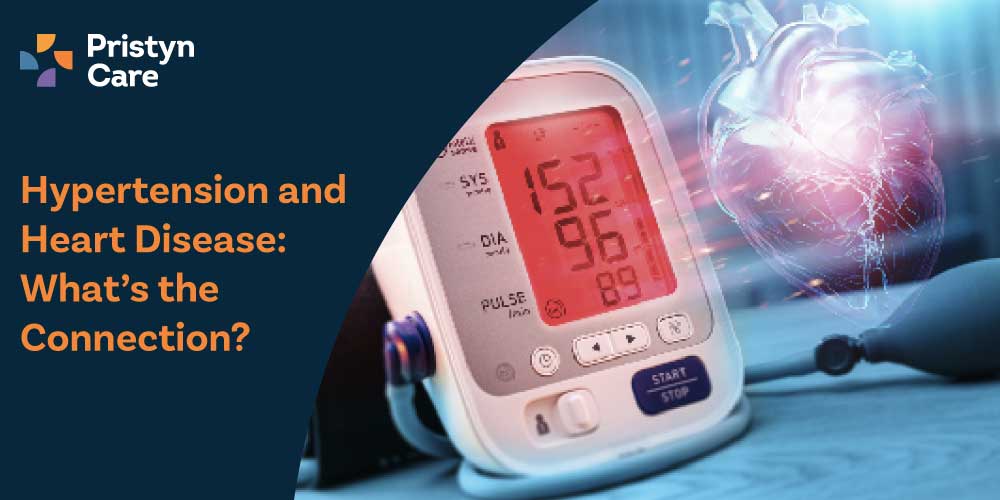
- Hypertension Stage 1: 130–139 / 80–89 mmHg
- Hypertension Stage 2: ≥140 / ≥90 mmHg
If left unmanaged, hypertension significantly increases the risk of serious complications-especially heart disease.
No Cost EMI, Hassle-free Insurance Approval
What Is Heart Disease?
Heart disease is a broad term that includes conditions affecting the heart’s structure and function, such as:
- Coronary artery disease (blocked arteries)
- Heart failure
- Arrhythmias (irregular heartbeat)
- Heart valve disorders
Among these, coronary artery disease (CAD) is the most common and is closely linked to hypertension.
How Are Hypertension and Heart Disease Connected?
The connection between hypertension and heart disease lies in long-term damage to blood vessels and increased workload on the heart.
1. Damage to Arteries
High blood pressure causes:
- Thickening and stiffening of artery walls
- Loss of elasticity
- Narrowing of blood vessels
This makes it harder for blood to flow smoothly, increasing the risk of blockages.
2. Increased Risk of Atherosclerosis
Hypertension accelerates atherosclerosis, a condition where plaque builds up inside arteries.
- Plaque reduces blood flow
- Can rupture and cause blood clots
- Leads to heart attacks and strokes
3. Increased Workload on the Heart
When blood pressure is high, the heart must work harder to pump blood.
- Over time, this leads to thickening of the heart muscle (left ventricular hypertrophy)
- The heart becomes less efficient
- Eventually, this may result in heart failure
4. Reduced Oxygen Supply to the Heart
Narrowed arteries limit oxygen-rich blood reaching the heart muscle, leading to:
- Chest pain (angina)
- Increased risk of heart attack
Major Heart Conditions Caused by Hypertension
1. Coronary Artery Disease (CAD)
- Caused by plaque buildup in coronary arteries
- Leads to reduced blood flow to the heart
- Can result in heart attack
2. Heart Failure
- The heart cannot pump blood effectively
- Caused by long-term strain from high blood pressure
- Symptoms include fatigue, breathlessness, and swelling
3. Left Ventricular Hypertrophy (LVH)
- Thickening of the heart’s main pumping chamber
- Reduces heart efficiency
- Increases risk of arrhythmias and heart failure
4. Heart Attack (Myocardial Infarction)
- Occurs when blood flow to part of the heart is blocked
- Hypertension increases plaque rupture risk
Risk Factors That Worsen the Connection
Certain factors can amplify the impact of hypertension on heart health:
- Smoking
- Diabetes
- High cholesterol
- Obesity
- Sedentary lifestyle
- Excess salt intake
- Chronic stress
- Family history of heart disease
Managing these risk factors is crucial to reduce overall cardiovascular risk.
Warning Signs to Watch For
Hypertension itself often has no symptoms, but when it starts affecting the heart, you may notice:
- Chest pain or discomfort
- Shortness of breath
- Fatigue
- Palpitations
- Swelling in legs or ankles
- Dizziness
These symptoms require immediate medical attention.
How Is Hypertension Diagnosed?
Diagnosis is simple but essential:
- Regular blood pressure measurements
- Home monitoring or ambulatory BP monitoring
- Multiple readings over time for confirmation
Early detection can prevent serious complications.
How to Prevent Heart Disease If You Have Hypertension
The good news is that hypertension-related heart disease is largely preventable with proper management.
1. Control Blood Pressure
- Follow prescribed medications
- Monitor BP regularly
- Maintain target levels (usually <130/80 mmHg)
2. Adopt a Heart-Healthy Diet
- Eat more fruits, vegetables, and whole grains
- Reduce salt intake (less than 5g/day)
- Avoid processed and fried foods
- Limit sugar and saturated fats
The DASH diet is often recommended for hypertension.
3. Exercise Regularly
- At least 30 minutes of moderate activity daily
- Activities like walking, cycling, or swimming
- Improves heart function and lowers BP
4. Maintain a Healthy Weight
- Even small weight loss can reduce blood pressure
- Helps decrease strain on the heart
5. Quit Smoking and Limit Alcohol
- Smoking damages blood vessels
- Alcohol raises blood pressure when consumed excessively
6. Manage Stress
- Chronic stress contributes to high BP
- Practice yoga, meditation, or relaxation techniques
7. Control Other Health Conditions
- Manage diabetes and cholesterol levels
- Take medications as prescribed
Treatment Options
1. Lifestyle Modifications
First-line approach for mild hypertension and prevention.
2. Medications
Doctors may prescribe:
- ACE inhibitors
- Beta-blockers
- Calcium channel blockers
- Diuretics
These help control blood pressure and reduce heart strain.
3. Regular Monitoring
- Routine check-ups
- ECG, echocardiogram if needed
- Blood tests for cholesterol and sugar
Can Hypertension Be Reversed?
While hypertension may not always be completely reversible, it can be effectively controlled. With consistent efforts, many people can:
- Reduce dependence on medication
- Prevent complications
- Maintain a healthy heart
Long-Term Outlook
If left untreated, hypertension can lead to severe heart conditions and even life-threatening complications. However, with early detection and proper management:
- Risk of heart disease can be significantly reduced
- Quality of life improves
- Life expectancy increases
FAQs
1. Can high blood pressure directly cause a heart attack?
Yes, uncontrolled hypertension damages arteries and increases the risk of blockages, leading to heart attacks.
2. Is hypertension always symptomatic?
No, it often has no symptoms, which is why regular monitoring is essential.
3. What is the safest blood pressure level?
Generally, below 120/80 mmHg is considered optimal, but targets may vary based on individual health conditions.
4. Can lifestyle changes alone control hypertension?
In early stages, yes. In advanced cases, medications may also be required.
5. How often should I check my blood pressure?
At least once every few months if normal, and more frequently if you have hypertension.


Final Takeaway
Hypertension and heart disease are closely linked, with high blood pressure acting as a major risk factor for serious cardiac conditions. The damage caused by hypertension often builds silently over time, making early detection and management crucial.
By maintaining a healthy lifestyle, monitoring your blood pressure, and following medical advice, you can protect your heart and prevent long-term complications.
Taking control of your blood pressure today is one of the most important steps toward a healthier, longer life.
Author:


Related Calculators

Dedicated Support at Every Step!
Our Doctors are available 24 hours a day, 7 days a week to help you!


