


 Views: 0
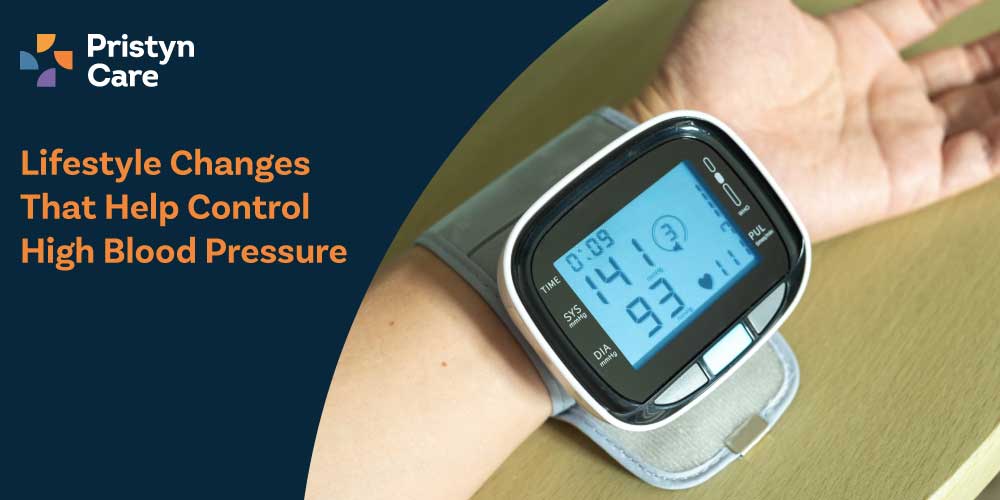
Lifestyle Changes That Help Control High Blood Pressure
Managing high blood pressure (hypertension) is not just about medications - your daily lifestyle plays a crucial role in controlling and even preventing it. Simple, consistent changes can significantly reduce blood pressure levels and lower the risk of serious complications.

Social share:


Dedicated Support at Every Step!
Our Doctors are available 24 hours a day, 7 days a week to help you!

Understanding the lifestyle changes that help control high blood pressure can empower you to take charge of your heart health.
Table of Contents
Why Lifestyle Changes Matter
High blood pressure develops gradually due to factors like poor diet, inactivity, stress, and unhealthy habits. Addressing these root causes helps:
- Improve heart function
- Maintain healthy blood vessels
- Reduce dependency on medications (in some cases)
No Cost EMI, Hassle-free Insurance Approval
Effective Lifestyle Changes to Control High Blood Pressure
1. Follow a Heart-Healthy Diet
Diet has a direct impact on blood pressure levels.
- Reduce salt (sodium) intake
- Eat more fruits, vegetables, and whole grains
- Include lean proteins like pulses, fish, and nuts
- Limit processed and fried foods
A balanced diet helps maintain stable blood pressure.
2. Maintain a Healthy Weight
Excess weight increases the workload on the heart.
- Even a small weight loss can significantly lower blood pressure
- Focus on sustainable and gradual weight management
3. Exercise Regularly
Physical activity strengthens the heart and improves circulation.
- Aim for at least 30 minutes of moderate exercise daily
- Activities like walking, cycling, yoga, or swimming are effective
4. Reduce Stress Levels
Chronic stress can raise blood pressure over time.
- Practice meditation, deep breathing, or mindfulness
- Take breaks and maintain work-life balance
5. Limit Salt Intake
High sodium intake is one of the main contributors to hypertension.
- Avoid packaged and processed foods
- Use herbs and spices instead of salt for flavor
6. Quit Smoking
Smoking damages blood vessels and increases blood pressure.
- Quitting smoking improves overall cardiovascular health
7. Limit Alcohol Consumption
Excess alcohol can elevate blood pressure.
- Consume in moderation, if at all
8. Get Quality Sleep
Poor sleep affects hormone balance and blood pressure.
- Aim for 7–8 hours of restful sleep
- Maintain a consistent sleep routine
9. Monitor Blood Pressure Regularly
Tracking your readings helps:
- Identify patterns
- Detect changes early
- Adjust lifestyle or treatment accordingly
10. Stay Consistent With Medications
If prescribed:
- Take medications as directed
- Do not stop without consulting your doctor
Lifestyle changes work best alongside proper medical care.
Signs Your Blood Pressure Is Improving
- Stable or reduced blood pressure readings
- Improved energy levels
- Better sleep and reduced stress
- Overall sense of well-being
When Should You Consult a Doctor?
Seek medical advice if:
- Blood pressure remains high despite lifestyle changes
- You experience symptoms like chest pain, dizziness, or headaches
- You need guidance on diet, exercise, or medication


Final Thoughts
High blood pressure is manageable, and in many cases, controllable with the right lifestyle choices. Small daily habits - like eating better, staying active, reducing stress, and avoiding harmful substances - can make a significant difference.
Consistency is key. By adopting and maintaining these lifestyle changes, you can protect your heart, prevent complications, and lead a healthier life.
Author:



Related Calculators

Dedicated Support at Every Step!
Our Doctors are available 24 hours a day, 7 days a week to help you!


