


 Views: 1
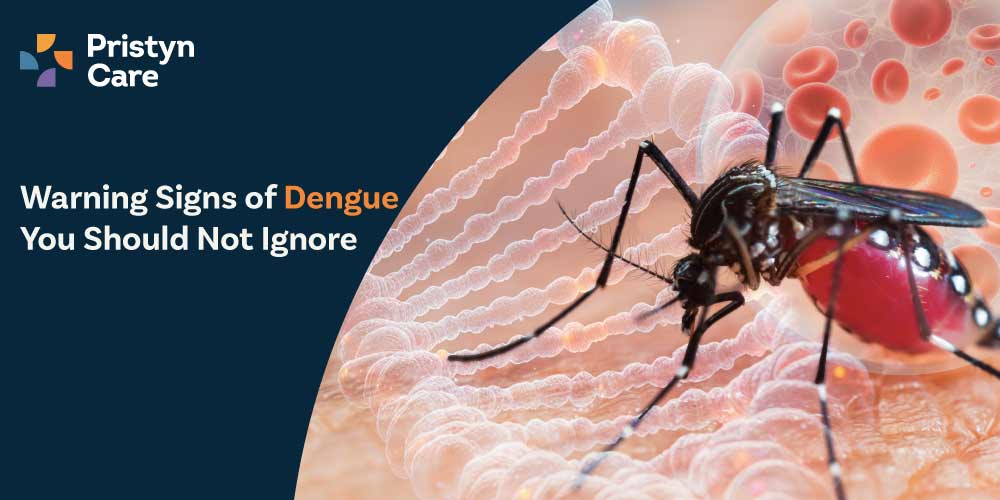
Warning Signs of Dengue You Should Not Ignore
Dengue Fever is a common viral illness in tropical countries like India, especially during the monsoon season. While many cases are mild, some can quickly turn severe and life-threatening if warning signs are ignored.

Social share:


Dedicated Support at Every Step!
Our Doctors are available 24 hours a day, 7 days a week to help you!

Recognizing early symptoms and knowing when to seek medical care can prevent complications and save lives.
Table of Contents
What Is Dengue Fever?
Dengue Fever is caused by the dengue virus and spreads through the bite of infected Aedes mosquitoes. Symptoms usually appear 4–10 days after the bite.
No Cost EMI, Hassle-free Insurance Approval
Early Symptoms of Dengue
Before severe warning signs appear, dengue often starts with:
- Sudden high fever
- Severe headache
- Pain behind the eyes
- Muscle and joint pain (“breakbone fever”)
- Nausea or vomiting
- Skin rash
These symptoms may seem like a viral fever, but monitoring is crucial.
Critical Warning Signs You Should Not Ignore
As the disease progresses, certain symptoms indicate severe dengue and require immediate medical attention.
1. Persistent Vomiting
- Frequent vomiting (more than 2–3 times a day)
- Inability to keep fluids down
Why it matters: Leads to dehydration and signals worsening condition.
2. Severe Abdominal Pain
- Continuous or intense stomach pain
- Tenderness when touched
Possible cause: Internal complications or fluid accumulation.
3. Bleeding Symptoms
- Bleeding gums or nose
- Blood in vomit or stool
- Easy bruising
This may indicate Dengue Hemorrhagic Fever, a serious form of dengue.
4. Sudden Drop in Platelet Count
- Platelets falling rapidly (below normal levels)
- Associated weakness and fatigue
Low platelets increase the risk of bleeding and complications.
5. Extreme Weakness or Restlessness
- Feeling unusually tired or lethargic
- Difficulty staying alert
This may signal progression to severe dengue.
6. Cold or Clammy Skin
- Pale, cold skin
- Sweating with low body temperature
This can be a sign of Dengue Shock Syndrome.
7. Difficulty Breathing
- Shortness of breath
- Chest discomfort
Fluid leakage in the lungs can cause breathing issues.
8. Reduced Urine Output
- Passing less urine than normal
Indicates dehydration or possible organ involvement.
When Do Warning Signs Appear?
Warning signs usually develop:
- 3–7 days after fever onset, often when fever starts to reduce
This phase is called the critical phase, where close monitoring is essential.
Who Is at Higher Risk?
Certain groups are more vulnerable to severe Dengue Fever:
- Children and elderly
- Pregnant women
- People with weak immunity
- Patients with previous dengue infection
What Should You Do If You Notice Warning Signs?
Immediate Steps:
- Seek medical help urgently
- Do not self-medicate
- Stay hydrated
- Monitor platelet count and vitals
Early hospitalization can prevent complications.
Complications of Ignoring Warning Signs
If severe dengue is not treated in time, it can lead to:
- Internal bleeding
- Organ failure
- Shock
- Death in critical cases
Timely intervention is crucial.
What Not to Do During Dengue
- Avoid painkillers like aspirin or ibuprofen (can increase bleeding risk)
- Do not ignore symptoms even if fever reduces
- Avoid dehydration
Prevention Tips
While recognizing symptoms is important, prevention is key:
- Avoid mosquito bites (use repellents, nets)
- Remove stagnant water around your home
- Wear full-sleeved clothing
- Keep surroundings clean
Conclusion
Dengue Fever can escalate quickly from mild to severe if warning signs are overlooked. Symptoms like persistent vomiting, bleeding, severe abdominal pain, and extreme weakness should never be ignored.
Early detection and timely medical care can prevent complications and ensure a safe recovery. Stay alert, monitor symptoms closely, and seek help when needed.


FAQs
1. What is the most dangerous sign of dengue?
Bleeding and shock symptoms are among the most serious warning signs.
2. Can dengue become severe after fever reduces?
Yes, the critical phase often begins when fever subsides.
3. How low platelet count is dangerous?
A rapid drop, especially below 50,000, requires close monitoring.
4. Should I go to the hospital immediately for dengue?
If warning signs appear, immediate medical care is necessary.
5. Can dengue be treated at home?
Mild cases can be managed at home under medical guidance, but severe symptoms need hospitalization.
Author:




Related Calculators

Dedicated Support at Every Step!
Our Doctors are available 24 hours a day, 7 days a week to help you!


