


 Views: 0
What Happens Inside an ICU? A Patient’s Guide
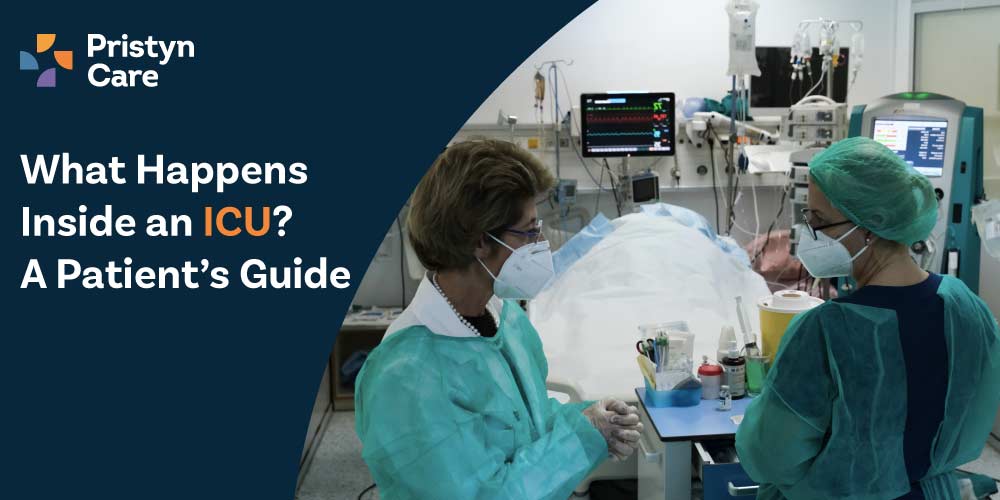
Hearing that you or a loved one needs admission to an ICU (Intensive Care Unit) can feel overwhelming. The environment, equipment, and constant monitoring may seem intimidating at first. However, the ICU is designed to provide advanced, life-saving care for patients who need close observation and specialized treatment.


Social share:


Dedicated Support at Every Step!
Our Doctors are available 24 hours a day, 7 days a week to help you!

This guide explains what happens inside an ICU, what to expect, and how patients and families can navigate this critical phase with confidence.
Table of Contents
What Is an ICU?
An ICU is a specialized hospital unit where critically ill patients receive round-the-clock care. It is equipped with advanced technology and staffed by highly trained medical professionals.
Patients Who May Need ICU Care
- Severe infections or sepsis
- Major surgeries (post-operative monitoring)
- Heart attacks or strokes
- Respiratory failure
- Trauma or accidents
- Organ failure
No Cost EMI, Hassle-free Insurance Approval
What Makes the ICU Different from a Regular Ward?
The ICU differs significantly from general hospital wards in terms of:
1. Continuous Monitoring
Patients are closely monitored 24/7 using machines that track:
- Heart rate
- Blood pressure
- Oxygen levels
- Breathing patterns
2. Advanced Medical Equipment
ICUs are equipped with life-support systems and critical care devices that can respond quickly to changes in a patient’s condition.
3. Higher Staff-to-Patient Ratio
There are more doctors and nurses per patient, ensuring immediate attention and faster response.
What Happens When a Patient Is Admitted to the ICU?
Initial Assessment
Upon arrival:
- Doctors assess the patient’s condition
- Vital signs are recorded
- Immediate treatment begins if needed
Stabilization
The primary goal is to:
- Stabilize breathing, heart function, and blood pressure
- Prevent further complications
Continuous Care Plan
A personalized treatment plan is created, which may include:
- Medications
- Procedures
- Monitoring schedules
Common Equipment You May See in the ICU
Understanding ICU equipment can reduce anxiety.
1. Monitors
Display real-time vital signs such as heart rate and oxygen levels.
2. Ventilator
A machine that helps patients breathe when they cannot do so on their own.
3. IV Lines and Infusion Pumps
Used to deliver:
- Fluids
- Medications
- Nutrition
4. Oxygen Support Devices
Includes masks or nasal tubes to maintain oxygen levels.
5. Catheters and Tubes
Used for:
- Urine drainage
- Feeding (in some cases)
Who Takes Care of ICU Patients?
A team of specialists works together to provide care:
- Intensivists: Doctors specialized in critical care
- Nurses: Provide constant monitoring and support
- Respiratory therapists: Manage breathing support
- Physiotherapists: Help with mobility and recovery
- Dietitians: Ensure proper nutrition
What Is a Typical Day Like in the ICU?
Although every patient’s journey is different, a typical ICU day may include:
- Regular monitoring of vital signs
- Medication administration
- Diagnostic tests (blood tests, imaging)
- Doctor rounds and updates
- Supportive therapies (oxygen, ventilation)
Care is continuous, with staff available at all times.
Visiting Rules in the ICU
ICUs usually have strict visiting policies to ensure patient safety:
- Limited visiting hours
- Restricted number of visitors
- Protective measures (masks, sanitization)
These rules help reduce infection risk and allow uninterrupted care.
How Long Do Patients Stay in the ICU?
The duration varies depending on:
- Severity of illness
- Response to treatment
- Presence of complications
Some patients may stay for a few days, while others may require longer care.
What Happens After ICU Care?
Once the patient stabilizes:
- They are shifted to a general ward
- Rehabilitation may begin
- Follow-up care is planned
Recovery continues even after leaving the ICU.
Emotional Impact on Patients and Families
Being in the ICU can be emotionally challenging.
For Patients
- Fear or confusion
- Discomfort due to equipment
- Limited mobility
For Families
- Anxiety and uncertainty
- Stress due to critical condition
Open communication with doctors can help ease concerns.
Tips for Families of ICU Patients
- Stay informed about the patient’s condition
- Ask questions during doctor updates
- Follow hospital guidelines
- Take care of your own health and rest
- Offer emotional support to the patient
Common Myths About ICU
Myth 1: ICU means the condition is hopeless
Reality: Many patients recover fully with ICU care.
Myth 2: Patients are always unconscious
Reality: Some patients are awake and responsive.
Myth 3: ICU care is only for elderly patients
Reality: People of all ages may need ICU care depending on their condition.
When Should ICU Care Be Considered?
ICU care is recommended when a patient requires:
- Constant monitoring
- Life-support systems
- Immediate medical intervention
- Management of critical conditions
Early ICU admission can improve outcomes in serious cases.
FAQs
1. Is ICU treatment painful?
Patients may experience some discomfort, but pain is carefully managed with medications.
2. Can family members stay with the patient?
Usually, visits are limited, but policies vary by hospital.
3. Are all ICU patients on ventilators?
No, only those who need breathing support require ventilators.
4. How do doctors decide when to discharge from ICU?
When the patient’s condition stabilizes and no longer requires intensive monitoring.
5. Can patients recover completely after ICU?
Yes, many patients recover fully, although recovery time varies.


Final Takeaway
The ICU is a highly specialized unit designed to provide intensive, life-saving care when it matters most. While the environment may seem overwhelming, every aspect of the ICU is focused on stabilizing patients, managing critical conditions, and improving outcomes.
Understanding what happens inside an ICU can help reduce fear and allow patients and families to approach this phase with greater clarity and confidence.
Author:


Related Calculators

Dedicated Support at Every Step!
Our Doctors are available 24 hours a day, 7 days a week to help you!


