


 Views: 0
When Does a Patient Need ICU Admission?
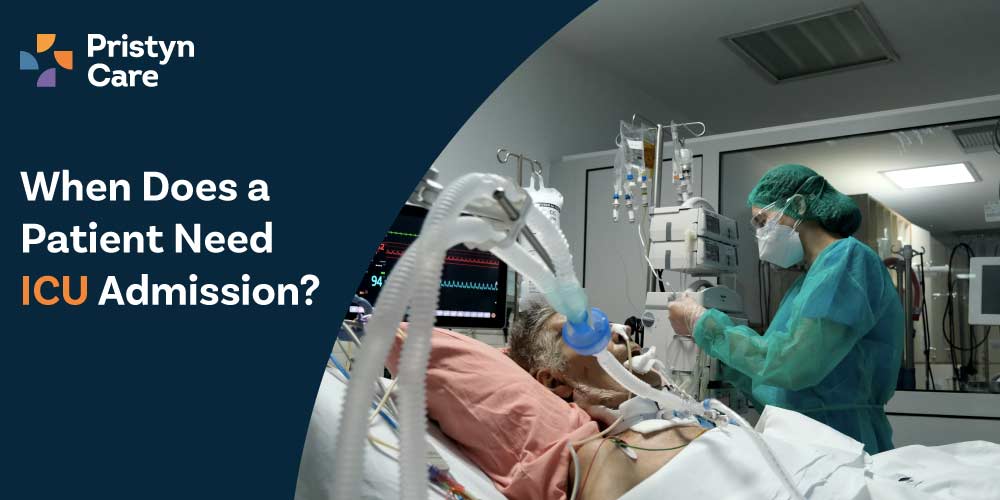
An ICU (Intensive Care Unit) is designed for patients who require close monitoring, advanced medical support, and immediate intervention. Being shifted to the ICU often raises concern for patients and families, but it is an important step to ensure the best possible care during critical situations.


Social share:


Dedicated Support at Every Step!
Our Doctors are available 24 hours a day, 7 days a week to help you!

Understanding when ICU admission is necessary can help you recognize warning signs early and make timely medical decisions.
Table of Contents
What Is ICU Admission?
ICU admission means a patient is moved to a specialized hospital unit where:
- Vital signs are monitored continuously
- Advanced life-support systems are available
- A dedicated team of specialists provides 24/7 care
The goal is to stabilize the patient and prevent complications.
No Cost EMI, Hassle-free Insurance Approval
When Is ICU Admission Required?
ICU admission is recommended when a patient’s condition is serious, unstable, or life-threatening.
1. Severe Breathing Problems
Patients who cannot breathe properly may need ICU care.
Examples:
- Respiratory failure
- Severe pneumonia
- Asthma attacks not responding to treatment
These patients may require oxygen therapy or ventilator support.
2. Heart-Related Emergencies
Critical heart conditions often need intensive monitoring.
Examples:
- Heart attack
- Severe arrhythmias (irregular heartbeat)
- Heart failure
Continuous monitoring helps prevent sudden complications.
3. Major Surgeries (Post-Operative Care)
After complex surgeries, ICU care may be required for observation.
Examples:
- Cardiac surgery
- Brain surgery
- Organ transplant
- Major trauma surgery
This ensures early detection of complications.
4. Severe Infections (Sepsis)
When infections spread throughout the body, they can become life-threatening.
Signs include:
- High fever
- Low blood pressure
- Organ dysfunction
ICU care helps manage infection and support affected organs.
5. Trauma and Accidents
Patients with serious injuries may need ICU admission.
Examples:
- Head injuries
- Road accidents
- Internal bleeding
- Multiple fractures
Immediate care can be life-saving.
6. Organ Failure
Failure of vital organs requires intensive care.
Examples:
- Kidney failure
- Liver failure
- Lung failure
Support systems help maintain body functions.
7. Neurological Emergencies
Conditions affecting the brain or nervous system may require ICU care.
Examples:
- Stroke
- Brain hemorrhage
- Seizures
- Coma
Close monitoring is essential to prevent further damage.
8. Uncontrolled Blood Pressure or Shock
Severe fluctuations in blood pressure can be dangerous.
Examples:
- Hypertensive crisis
- Septic shock
- Cardiogenic shock
ICU care helps stabilize circulation and organ function.
Warning Signs That May Lead to ICU Admission
Seek immediate medical attention if a patient experiences:
- Difficulty breathing
- Chest pain
- Sudden confusion or unconsciousness
- Severe bleeding
- Persistent high fever
- Low blood pressure
- Reduced urine output
These symptoms may indicate a medical emergency requiring ICU care.
What Happens After ICU Admission?
Once admitted:
Initial Stabilization
Doctors focus on:
- Stabilizing vital signs
- Providing oxygen or ventilator support
- Managing pain and discomfort
Continuous Monitoring
Machines track:
- Heart rate
- Blood pressure
- Oxygen levels
Treatment Plan
A personalized care plan may include:
- Medications
- Procedures
- Supportive therapies
Can ICU Admission Be Prevented?
In some cases, early medical care can prevent ICU admission.
Steps to Reduce Risk:
- Manage chronic conditions (diabetes, hypertension)
- Seek timely treatment for infections
- Follow post-surgery care instructions
- Maintain a healthy lifestyle
However, emergencies can still occur despite precautions.
How Long Does ICU Stay Last?
The duration depends on:
- Severity of the condition
- Response to treatment
- Presence of complications
Some patients may need ICU care for a few days, while others may require longer stays.
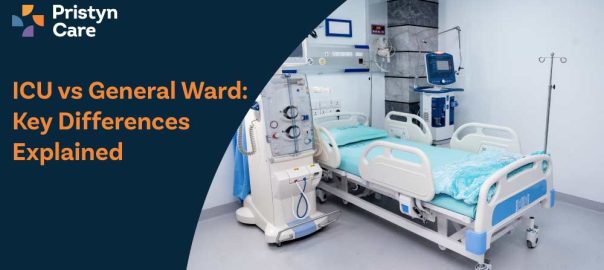
ICU vs General Ward: Key Differences
| Aspect | ICU | General Ward |
| Monitoring | Continuous | Periodic |
| Care Level | Critical | Routine |
| Equipment | Advanced | Basic |
| Staff Ratio | High | Moderate |
Emotional Impact of ICU Admission
ICU admission can be stressful for both patients and families.
Common Feelings:
- Anxiety
- Fear
- Uncertainty
Clear communication with doctors and support from loved ones can help ease stress.
FAQs
1. Does ICU admission mean the condition is very serious?
Yes, ICU is typically reserved for serious or unstable conditions, but many patients recover with proper care.
2. Can a patient be shifted out of ICU?
Yes, once the condition stabilizes, the patient is moved to a general ward.
3. Are all ICU patients on ventilators?
No, only those who need breathing support require ventilators.
4. Who decides ICU admission?
Doctors assess the patient’s condition and decide based on medical necessity.
5. Is ICU treatment expensive?
ICU care can be costlier due to advanced equipment and continuous monitoring, but it is essential for critical conditions.


Final Takeaway
ICU admission is a crucial step in managing life-threatening or unstable medical conditions. It ensures that patients receive intensive monitoring, immediate intervention, and specialized care when they need it the most.
Recognizing early warning signs and seeking timely medical attention can make a significant difference in outcomes. While ICU admission may feel overwhelming, it plays a vital role in saving lives and supporting recovery.
Author:



Related Calculators

Dedicated Support at Every Step!
Our Doctors are available 24 hours a day, 7 days a week to help you!


