


 Views: 1
When Does an Allergy Become a Serious Health Concern?


Social share:


Dedicated Support at Every Step!
Our Doctors are available 24 hours a day, 7 days a week to help you!

Table of Contents
What Is an Allergy?
An allergy occurs when the immune system reacts abnormally to substances that are usually harmless, such as pollen, dust, certain foods, medications, or insect stings. While many allergic reactions are mild, some can escalate quickly and become life-threatening.
No Cost EMI, Hassle-free Insurance Approval
When Does an Allergy Become Serious?
Not all allergies are dangerous, but certain signs indicate that the condition is no longer mild and needs medical attention.
1. Symptoms Persist for Weeks or Keep Recurring
If allergy symptoms last for more than a couple of weeks or occur repeatedly during certain seasons, it may indicate chronic allergic rhinitis or an underlying condition that needs proper diagnosis and long-term management.
2. Difficulty in Breathing
Breathing problems such as wheezing, chest tightness, or shortness of breath are serious warning signs. These may suggest that the allergy is affecting the airways and could be linked to asthma or severe allergic reactions.
3. Severe Nasal Congestion and Sinus Pressure
Persistent nasal blockage, facial pain, or pressure may indicate complications like sinusitis. If left untreated, this can lead to infections and chronic discomfort.
4. Skin Reactions That Worsen
Mild itching or rashes are common, but widespread hives, swelling, or persistent skin irritation may signal a more serious allergic response requiring medical evaluation.
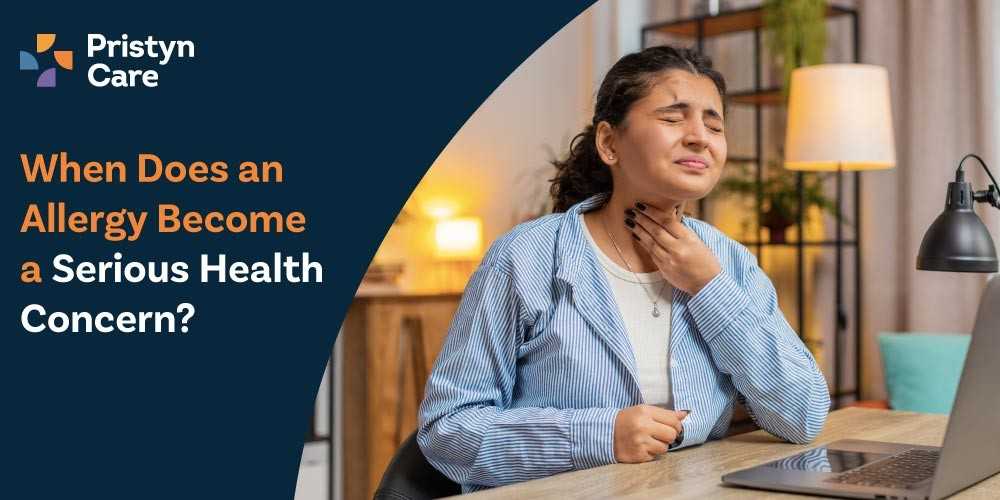
5. Swelling of Face, Lips, or Throat
Swelling in these areas is a red flag. It can interfere with breathing and swallowing and may indicate a severe allergic reaction that requires immediate medical attention.
6. Frequent Coughing or Wheezing
A persistent cough, especially at night, or wheezing may indicate that the allergy is affecting the respiratory system. This could be an early sign of allergic asthma.
7. Poor Response to Over-the-Counter Medications
If common medications like antihistamines do not provide relief, it may mean the allergy is more severe or requires a different treatment approach.
8. Interference with Daily Life
When allergies start affecting sleep, work, school, or daily activities, they should not be ignored. Chronic fatigue, irritability, and reduced productivity are signs that the condition needs medical attention.
Signs of a Severe Allergic Reaction (Emergency)
In rare but critical cases, allergies can lead to a life-threatening condition called anaphylaxis. Seek immediate medical help if you experience:
- Sudden difficulty breathing
- Tightness in the throat or chest
- Rapid drop in blood pressure
- Dizziness or fainting
- Severe swelling of face or throat
Anaphylaxis requires urgent treatment and should never be delayed.
Common Complications of Untreated Allergies
Ignoring serious allergy symptoms can lead to:
- Chronic sinus infections
- Asthma or worsening respiratory conditions
- Ear infections (especially in children)
- Sleep disturbances and fatigue
- Reduced quality of life
Early diagnosis can help prevent these complications.
When Should You See a Doctor?
You should consult a doctor if:
- Symptoms persist beyond 1–2 weeks
- You experience breathing difficulty or wheezing
- Allergy symptoms are severe or worsening
- There is swelling of the face, lips, or throat
- Daily activities are affected
A doctor may recommend allergy testing, medications, or long-term management strategies.
How to Prevent Allergies from Becoming Severe
- Identify and avoid known triggers
- Maintain a clean indoor environment
- Use air purifiers and proper ventilation
- Follow prescribed medications regularly
- Do not ignore early symptoms


Final Thoughts
Allergies may begin as mild discomfort, but they can become serious if left untreated. Recognizing the warning signs early - especially breathing issues, swelling, or persistent symptoms - can help you take timely action and avoid complications.
If your allergy symptoms are recurring or worsening, it’s important to seek medical advice rather than relying solely on temporary relief measures. Early care can make a significant difference in long-term health and quality of life.
Author:





Related Calculators

Dedicated Support at Every Step!
Our Doctors are available 24 hours a day, 7 days a week to help you!


