


 Views: 1
When Insomnia Becomes a Medical Condition
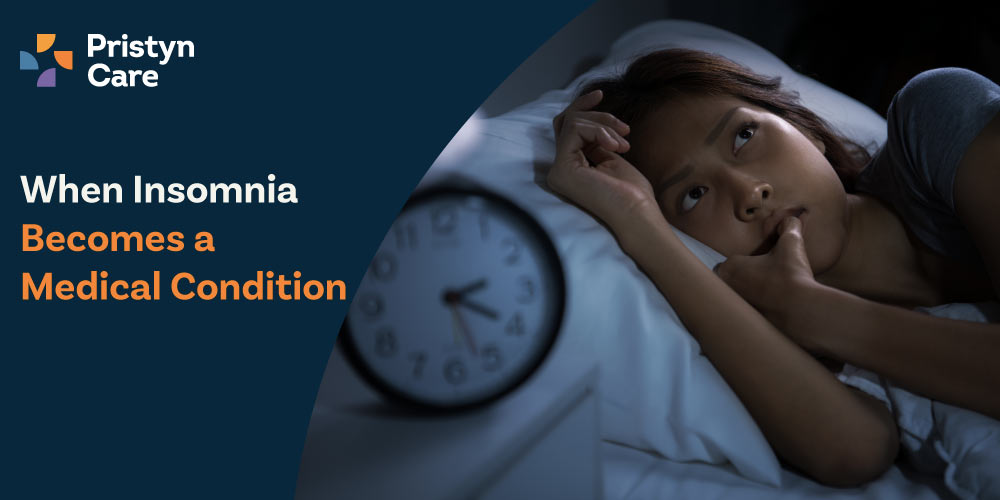
Occasional sleepless nights are common and usually resolve on their own. However, when difficulty falling asleep or staying asleep becomes frequent and starts affecting your daily life, it may no longer be just a temporary issue. It could indicate a clinical condition known as Insomnia.


Social share:


Dedicated Support at Every Step!
Our Doctors are available 24 hours a day, 7 days a week to help you!

Understanding when insomnia crosses the line into a medical condition is crucial for timely diagnosis and effective treatment.
Table of Contents
What Is Insomnia?
Insomnia is a sleep disorder characterized by:
- Difficulty falling asleep
- Trouble staying asleep
- Waking up too early
- Not feeling refreshed after sleep
While short-term insomnia can occur due to stress or lifestyle changes, chronic insomnia requires medical attention.
No Cost EMI, Hassle-free Insurance Approval
Types of Insomnia
1. Acute Insomnia
- Short-term condition
- Lasts for a few days or weeks
- Often triggered by stress, travel, or life changes
2. Chronic Insomnia
- Occurs at least 3 nights per week
- Persists for 3 months or longer
- Considered a medical condition
When Does Insomnia Become a Medical Problem?
Insomnia becomes a clinical condition when it:
1. Persists Over Time
If sleep problems continue for weeks or months, it indicates chronic insomnia.
2. Affects Daily Functioning
- Daytime fatigue
- Poor concentration
- Reduced productivity
- Mood disturbances
3. Occurs Without Clear Cause
If insomnia continues even after removing common triggers like stress or caffeine, medical evaluation is necessary.
4. Coexists With Other Health Issues
Insomnia is often linked with:
- Anxiety
- Depression
- Chronic pain
- Conditions like Sleep Apnea
Common Causes of Chronic Insomnia
Several factors can contribute to long-term insomnia:
Lifestyle Factors
- Irregular sleep schedule
- Excessive screen time
- Late-night eating
Psychological Factors
- Stress
- Anxiety disorders
- Depression
Medical Conditions
- Chronic pain
- Respiratory disorders
- Neurological conditions
Medications
Certain drugs may interfere with sleep patterns.
Symptoms That Should Not Be Ignored
You should take insomnia seriously if you experience:
- Difficulty sleeping for more than 3 weeks
- Frequent night awakenings
- Early morning waking
- Persistent tiredness despite sleep
- Irritability or mood swings
These signs suggest that Insomnia may be more than just a temporary issue.
Health Risks of Untreated Insomnia
Chronic insomnia can lead to multiple health complications:
Physical Health Risks
- High blood pressure
- Heart disease
- Weakened immunity
Mental Health Risks
- Anxiety
- Depression
- Increased stress levels
Lifestyle Impact
- Reduced work performance
- Increased risk of accidents
- Poor quality of life
How Is Chronic Insomnia Diagnosed?
Doctors may evaluate:
- Sleep history and patterns
- Lifestyle habits
- Medical and psychological conditions
In some cases, sleep studies may be recommended to rule out conditions like Sleep Apnea.
Treatment Options for Insomnia
Treatment depends on the cause and severity.
1. Lifestyle Changes
- Maintain a consistent sleep schedule
- Avoid screens before bedtime
- Limit caffeine intake
- Create a relaxing sleep environment
2. Cognitive Behavioral Therapy (CBT-I)
- First-line treatment for chronic insomnia
- Helps change negative sleep patterns
3. Medications
- Prescribed in some cases
- Usually for short-term use
4. Treating Underlying Conditions
Managing conditions like anxiety or sleep apnea can improve sleep quality.
When Should You See a Doctor?
Consult a healthcare professional if:
- Sleep issues persist for more than 2–3 weeks
- Daytime functioning is affected
- You rely on sleep medications regularly
- Symptoms worsen over time
Early intervention can prevent long-term complications.
Tips to Prevent Insomnia
- Stick to a regular sleep schedule
- Avoid naps late in the day
- Exercise regularly
- Reduce stress through relaxation techniques
- Keep your bedroom quiet, dark, and comfortable


Conclusion
Insomnia becomes a medical condition when it is persistent, disruptive, and affects your overall quality of life. While occasional sleep disturbances are normal, chronic insomnia requires attention and proper care.
Recognizing the warning signs early and seeking appropriate treatment can help restore healthy sleep patterns and improve both physical and mental well-being.
Author:




Related Calculators

Dedicated Support at Every Step!
Our Doctors are available 24 hours a day, 7 days a week to help you!


