


 Views: 0
Ayurvedic Medicine for Diabetic Retinopathy: Can Ayurveda Treat Diabetic Retinopathy?


Dedicated Support at Every Step!
Our Doctors are available 24 hours a day, 7 days a week to help you!

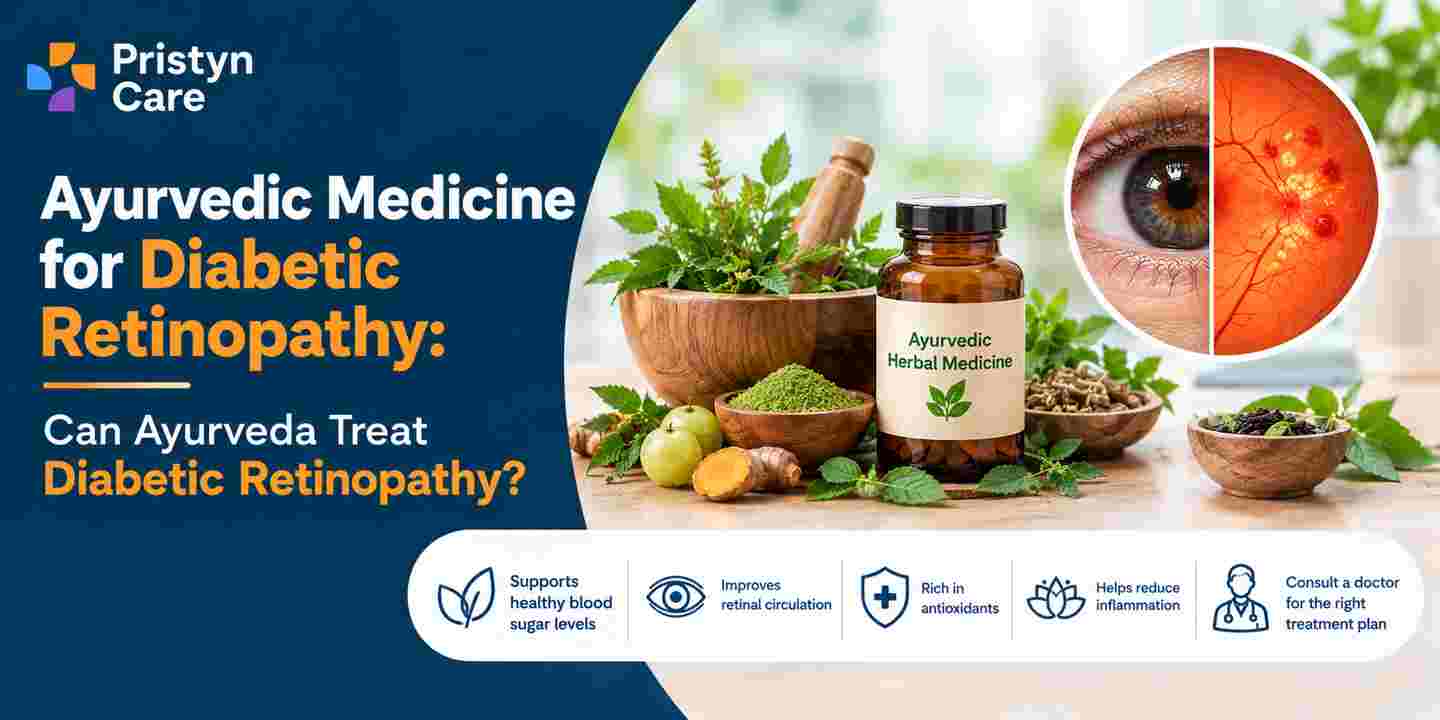
While maintaining healthy blood sugar, blood pressure, cholesterol levels, diet, and overall health is important for protecting the eyes, there is no established Ayurvedic medicine proven to reverse established diabetic retinal damage or replace ophthalmic treatment.
The right treatment depends on the stage of diabetic retinopathy and whether complications such as diabetic macular edema or abnormal blood vessel growth have developed.
Table of Contents
What Is Diabetic Retinopathy?
Diabetic retinopathy occurs when prolonged high blood sugar damages the small blood vessels supplying the retina.
Over time, these blood vessels may:
- Leak fluid or blood
- Become blocked
- Develop abnormal new blood vessels
- Cause swelling in the retina
- Damage the macula and affect central vision
- Eventually contribute to severe or permanent vision loss
Diabetic retinopathy can affect people with both type 1 and type 2 diabetes.
No Cost EMI, Hassle-free Insurance Approval
What Are the Symptoms of Diabetic Retinopathy?
Early diabetic retinopathy may not cause any symptoms.
As the condition progresses, symptoms may include:
- Blurred vision
- Difficulty seeing at night
- Floaters or spots in the vision
- Dark areas in the field of vision
- Difficulty reading
- Changes in vision that come and go
- Sudden loss of vision in severe cases
Because diabetic retinopathy can progress silently, regular eye examinations are important even when vision appears normal.
Is There Any Ayurvedic Medicine for Diabetic Retinopathy?
There is currently no scientifically established Ayurvedic medicine that can reliably reverse the retinal blood-vessel damage caused by diabetic retinopathy.
Ayurvedic approaches may focus on overall health, diet, lifestyle, and traditional preparations intended to support general well-being. However, they should not be considered a substitute for retinal examination or evidence-based treatment.
This distinction is particularly important because retinal damage may progress even when a person has few or no symptoms.
Best Ayurvedic Medicine for Diabetic Retinopathy
There is no universally accepted or clinically proven best Ayurvedic medicine for diabetic retinopathy.
Before taking any herbal or Ayurvedic preparation, discuss it with your doctor, particularly if you are already taking:
- Diabetes medicines
- Blood pressure medicines
- Blood thinners
- Cholesterol medicines
- Other prescription medicines
Some supplements and herbal products may interact with medicines or may not be appropriate for everyone.
Can Ayurveda Cure Diabetic Retinopathy?
Ayurveda has not been established as a cure for diabetic retinopathy.
Diabetic retinopathy involves structural changes to the retinal blood vessels. Once significant retinal damage, abnormal blood vessels, bleeding, or macular swelling develops, medical or procedural treatment may be necessary to prevent further vision loss.
Ayurvedic or natural approaches should therefore, at most, be considered complementary to appropriate medical care rather than a replacement for it.
Can Ayurvedic Medicine Reverse Diabetic Retinopathy?
There is no reliable evidence that Ayurvedic medicine can reverse established diabetic retinopathy.
The most important steps for protecting vision include:
- Maintaining blood sugar within the target range advised by your doctor
- Managing blood pressure
- Managing cholesterol
- Attending regular retinal examinations
- Following the ophthalmologist's treatment plan
- Avoiding smoking
- Maintaining a healthy lifestyle
These measures can help reduce the risk of progression but cannot guarantee that existing retinal damage will disappear.
Ayurvedic Medicine for Diabetic Retinopathy and Diet
Diet plays an important role in diabetes management.
Depending on your individual condition, your doctor or dietitian may recommend:
- More vegetables and fibre-rich foods
- Appropriate protein intake
- Whole grains in suitable portions
- Limiting highly processed foods
- Reducing excess added sugar
- Controlling portion sizes
- Limiting foods that cause large blood sugar spikes
However, changing your diet should not be presented as a replacement for treatment of established diabetic retinopathy.
Can Natural Remedies Treat Diabetic Retinopathy?
Natural lifestyle measures can support overall diabetes management, but they should not be confused with treatment that reverses retinal damage.
Useful habits include:
- Regular physical activity as advised by your healthcare team
- Maintaining a healthy weight where appropriate
- Monitoring blood glucose
- Following prescribed diabetes treatment
- Controlling blood pressure
- Managing cholesterol
- Avoiding smoking
- Getting regular eye examinations
Do not put homemade preparations, oils, herbal extracts, or other substances directly into the eyes unless they are specifically prescribed or recommended by an eye-care professional.
What Is the Medical Treatment for Diabetic Retinopathy?
Treatment depends on the stage and complications.
1. Blood Sugar and Risk-Factor Management
Good control of diabetes, blood pressure, and cholesterol is an important part of managing diabetic retinopathy.
It can help reduce the risk of progression but may not reverse advanced retinal damage.
2. Regular Monitoring
Mild diabetic retinopathy may sometimes be monitored with regular retinal examinations.
Your ophthalmologist determines how frequently you need follow-up based on the severity of the disease.
3. Anti-VEGF Injections
Anti-VEGF medicines may be injected into the eye when abnormal blood vessels or diabetic macular edema are present.
They can help reduce retinal swelling and abnormal blood vessel growth in appropriate patients.
Multiple injections may be required depending on the response and severity of the disease.
4. Steroid Treatment
In selected cases of diabetic macular edema, steroid treatment may be considered.
The choice depends on the individual's retinal condition and other eye-related factors.
5. Laser Treatment
Laser photocoagulation may be recommended for certain forms of diabetic retinopathy.
Laser treatment can help reduce the risk of severe complications in appropriately selected patients.
6. Vitrectomy Surgery
Advanced diabetic retinopathy may sometimes require vitrectomy surgery.
It may be considered when complications such as:
- Persistent vitreous hemorrhage
- Tractional retinal detachment
- Severe scar tissue
- Certain advanced retinal complications
are present.
Ayurvedic Medicine vs Medical Treatment for Diabetic Retinopathy
| Approach | Main role | Can it replace retinal treatment? |
| Ayurvedic medicines | May be used for traditional/general wellness purposes | No established evidence that they reverse diabetic retinopathy |
| Healthy diet | Supports diabetes management | No |
| Blood sugar control | Reduces risk of progression | Important but may not reverse established damage |
| Regular eye examination | Detects progression and complications | Essential |
| Anti-VEGF injections | Treats selected retinal swelling/abnormal blood vessels | Used when clinically indicated |
| Laser treatment | Treats selected retinal complications | Used when clinically indicated |
| Vitrectomy | Treats certain advanced complications | Used in selected severe cases |
Can Diabetic Retinopathy Be Cured Permanently?
There is no simple medicine that permanently cures all forms of diabetic retinopathy.
Treatment aims to:
- Slow or stop disease progression
- Reduce retinal swelling
- Control abnormal blood vessel growth
- Prevent severe vision loss
- Treat complications that have already developed
Even after successful treatment, continued diabetes management and regular eye examinations remain important.
Can Diabetic Retinopathy Be Reversed in the Early Stage?
Early diabetic retinopathy may sometimes remain stable or improve when diabetes and associated risk factors are well controlled.
However, this does not mean that every case can be reversed with medicine or natural remedies.
Regular eye examinations are important because treatment decisions depend on what is happening inside the retina, not simply on whether symptoms are present.
When Should You See an Eye Doctor?
Anyone with diabetes should follow an appropriate diabetic eye-screening schedule recommended by their healthcare professional.
You should seek an eye examination promptly if you experience:
- New floaters
- Sudden blurred vision
- Dark spots or shadows
- Distorted vision
- Sudden changes in eyesight
- Loss of part of your visual field
- Sudden vision loss
Sudden loss or major change in vision requires urgent medical attention.
What Happens During a Diabetic Retinopathy Examination?
An ophthalmologist may perform:
- Vision testing
- Dilated retinal examination
- Retinal photography
- Optical coherence tomography (OCT)
- Fluorescein angiography when required
- Other retinal imaging tests
These examinations help determine whether diabetic retinopathy is present and whether complications such as macular edema or abnormal blood vessels have developed.

Free Diabetes Surgery Cost Calculator

What Happens If Diabetic Retinopathy Is Left Untreated?
Untreated diabetic retinopathy can progress and may lead to:
- Diabetic macular edema
- Retinal bleeding
- Abnormal blood vessel growth
- Scar tissue formation
- Tractional retinal detachment
- Glaucoma associated with abnormal blood vessels
- Severe or permanent vision loss
The risk of complications increases with longer duration of diabetes and poor control of blood sugar and other cardiovascular risk factors.
Can Ayurvedic Medicine Prevent Diabetic Retinopathy?
There is no established evidence that a particular Ayurvedic medicine can guarantee prevention of diabetic retinopathy.
The most important preventive measures include:
- Keeping blood glucose under appropriate control
- Managing blood pressure
- Managing cholesterol
- Following diabetes treatment
- Getting regular retinal examinations
- Avoiding smoking
- Maintaining a healthy lifestyle
Early detection is especially important because diabetic retinopathy can be present before noticeable vision changes occur.
Should You Stop Eye Treatment and Take Ayurvedic Medicine Instead?
No.
If an ophthalmologist has recommended injections, laser treatment, surgery, or regular retinal monitoring, do not discontinue the treatment in favor of Ayurvedic medicine without discussing it with your doctor.
Diabetic retinal disease can progress silently, and delaying appropriate treatment can increase the risk of irreversible vision loss.
If you are interested in Ayurveda, discuss complementary approaches with both your ophthalmologist and the healthcare professional supervising your diabetes.
Frequently Asked Questions
What is the best Ayurvedic medicine for diabetic retinopathy?
There is no scientifically established Ayurvedic medicine proven to reverse diabetic retinopathy. Treatment should be based on the stage of retinal disease and may include monitoring, injections, laser treatment, or surgery when indicated.
Can Ayurvedic medicine cure diabetic retinopathy?
Ayurvedic medicine has not been established as a cure for diabetic retinopathy. It should not replace retinal evaluation or evidence-based treatment.
Can diabetic retinopathy be reversed naturally?
Early changes may sometimes stabilize or improve with appropriate diabetes and risk-factor management, but established retinal damage should not be assumed to reverse through natural remedies alone.
Can I take Ayurvedic medicine along with diabetes medicines?
Some people may use complementary products, but they should discuss them with their doctor first because herbal and Ayurvedic products can potentially interact with prescription medicines.
Can diet cure diabetic retinopathy?
A healthy diet can support diabetes and cardiovascular risk-factor management, but diet alone cannot reliably reverse established diabetic retinal damage.
Can diabetic retinopathy cause blindness?
Yes. Advanced untreated diabetic retinopathy can cause severe and potentially permanent vision loss.
Is diabetic retinopathy curable without surgery?
Some cases can be managed without surgery through monitoring, diabetes control, injections, or laser treatment. Advanced complications may require vitrectomy or other procedures.
Are eye drops enough to treat diabetic retinopathy?
Ordinary eye drops do not treat the underlying retinal blood-vessel damage caused by diabetic retinopathy. Treatment depends on the stage and complications.
Can diabetic retinopathy go away on its own?
It should not be assumed that diabetic retinopathy will disappear without treatment or monitoring. Regular retinal examinations are important even when vision seems normal.


Conclusion
People searching for Ayurvedic medicine for diabetic retinopathy should know that there is currently no established Ayurvedic medicine proven to reverse the retinal damage caused by diabetes.
Ayurvedic or natural approaches may be considered as complementary wellness measures, but they should not replace blood sugar management, regular retinal examinations, or evidence-based eye treatment.
Depending on the stage of diabetic retinopathy, treatment may involve monitoring, anti-VEGF injections, laser treatment, or vitrectomy surgery.
Because diabetic retinopathy can progress without obvious symptoms, early detection and timely treatment are among the most important steps for protecting vision.
Medical Disclaimer: This content is intended for general educational purposes and should not be considered a substitute for professional medical diagnosis or treatment. Do not start, stop, or replace any prescribed diabetes or eye treatment with Ayurvedic, herbal, or other alternative medicines without consulting a qualified healthcare professional.
Social share:



Related Calculators

Dedicated Support at Every Step!
Our Doctors are available 24 hours a day, 7 days a week to help you!


