


 Views: 11
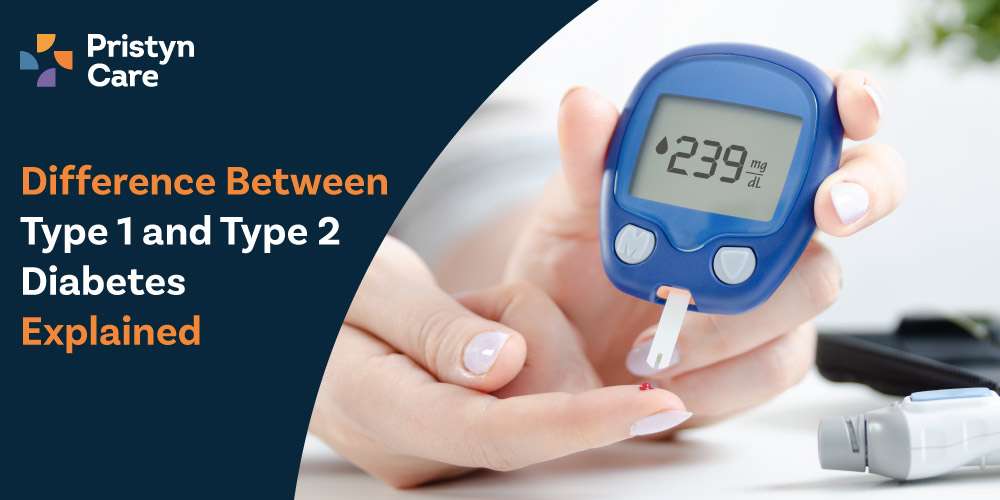
Difference Between Type 1 and Type 2 Diabetes Explained
Diabetes is a common chronic condition, but not all types of diabetes are the same. The two main forms - Type 1 diabetes and Type 2 diabetes - differ significantly in their causes, onset, treatment, and management.


Dedicated Support at Every Step!
Our Doctors are available 24 hours a day, 7 days a week to help you!

Understanding the difference between Type 1 and Type 2 diabetes can help in early diagnosis, proper treatment, and better long-term health outcomes.
Table of Contents
What Is Diabetes?
Diabetes occurs when the body is unable to regulate blood sugar (glucose) levels effectively. This happens due to problems with insulin - a hormone that helps glucose enter cells to produce energy.
No Cost EMI, Hassle-free Insurance Approval
What Is Type 1 Diabetes?
Type 1 diabetes is an autoimmune condition where the body’s immune system attacks and destroys insulin-producing cells in the pancreas.
Key Features of Type 1 Diabetes
- Usually develops in children, teenagers, or young adults
- The body produces little to no insulin
- Requires lifelong insulin therapy
- Symptoms appear suddenly and can be severe
Common Symptoms
- Excessive thirst
- Frequent urination
- Sudden weight loss
- Fatigue
- Blurred vision
What Is Type 2 Diabetes?
Type 2 diabetes is a metabolic disorder where the body either resists insulin or does not produce enough of it.
Key Features of Type 2 Diabetes
- More common in adults, but increasingly seen in younger individuals
- Strongly linked to lifestyle factors
- Symptoms develop gradually
- Can often be managed with lifestyle changes and medications
Common Symptoms
- Increased thirst and urination
- Fatigue
- Slow healing wounds
- Frequent infections
- Tingling in hands or feet
Type 1 vs Type 2 Diabetes: Key Differences
1. Cause
- Type 1: Autoimmune destruction of insulin-producing cells
- Type 2: Insulin resistance and reduced insulin production
2. Age of Onset
- Type 1: Usually early in life
- Type 2: Typically in adulthood (but rising in younger people)
3. Onset of Symptoms
- Type 1: Sudden and severe
- Type 2: Gradual and often unnoticed
4. Insulin Production
- Type 1: Little to none
- Type 2: Reduced or ineffective
5. Treatment Approach
- Type 1: Insulin injections are essential
- Type 2: Lifestyle changes, oral medications, and sometimes insulin
6. Preventability
- Type 1: Cannot be prevented
- Type 2: Often preventable or delayed with healthy lifestyle changes
Can Type 2 Diabetes Turn Into Type 1?
No, Type 2 diabetes does not turn into Type 1 diabetes. However, some people with Type 2 may eventually require insulin if their condition progresses.
Why Understanding the Difference Matters
Knowing which type of diabetes you have helps:
- Choose the right treatment plan
- Prevent complications
- Manage blood sugar more effectively
- Improve overall quality of life

Free Diabetes Surgery Cost Calculator

Our care coordinator will call you shortly.
When Should You Get Tested?
Consider testing if you:
- Experience symptoms like increased thirst, fatigue, or weight changes
- Have a family history of diabetes
- Are overweight or physically inactive
- Are above 35–40 years of age


Final Thoughts
Type 1 and Type 2 diabetes may share similar symptoms, but they are fundamentally different in cause, progression, and management. While Type 1 requires lifelong insulin therapy, Type 2 can often be managed - and even prevented - with the right lifestyle changes.
Early diagnosis and proper understanding of the condition are key to effective management and long-term health.
Social share:



Related Calculators

Dedicated Support at Every Step!
Our Doctors are available 24 hours a day, 7 days a week to help you!
Related Calculators
Get In Touch with our expert doctors !
- please enter 10 digit number.


