


 Views: 1
Prediabetes: Symptoms, Risks and Prevention Strategies
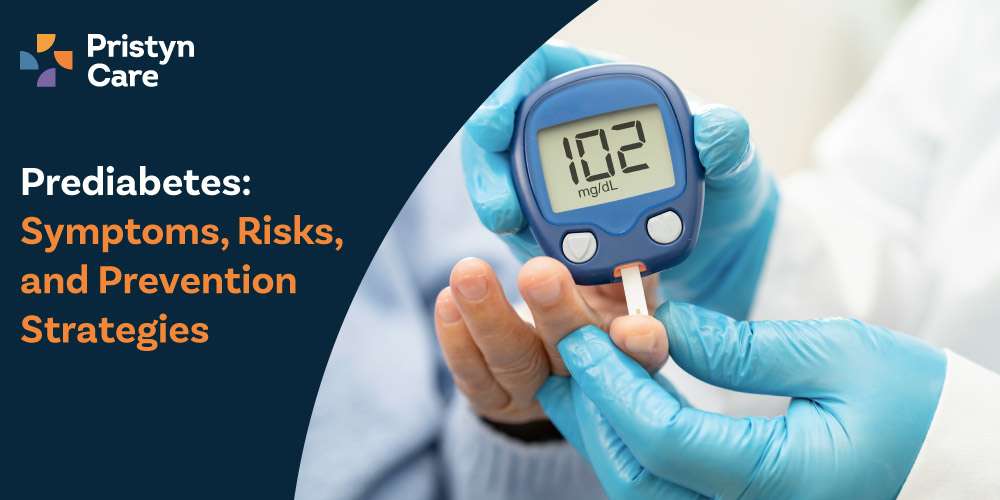
Prediabetes is a critical warning stage where blood sugar levels are higher than normal but not high enough to be classified as diabetes. The challenge is that most people with prediabetes are unaware of it-yet this stage offers the best opportunity to reverse the condition and prevent long-term complications.

Social share:


Dedicated Support at Every Step!
Our Doctors are available 24 hours a day, 7 days a week to help you!

Understanding the symptoms, risks, and prevention strategies for prediabetes can help you take timely action and protect your health.
Table of Contents
What Is Prediabetes?
Prediabetes occurs when the body begins to develop insulin resistance or does not produce enough insulin to maintain normal blood sugar levels. If left unmanaged, it can progress to type 2 diabetes over time.
No Cost EMI, Hassle-free Insurance Approval
Symptoms of Prediabetes
Prediabetes often has no clear symptoms, which is why it frequently goes undiagnosed. However, some subtle signs may include:
1. Increased Thirst and Frequent Urination
Mild elevation in blood sugar can cause increased thirst and more frequent urination, though less severe than in diabetes.
2. Fatigue
The body’s reduced ability to use glucose effectively may lead to persistent tiredness.
3. Blurred Vision
Temporary changes in vision can occur due to fluctuating blood sugar levels.
4. Darkened Skin Patches (Acanthosis Nigricans)
Dark, velvety patches of skin-commonly around the neck, armpits, or groin-can be a sign of insulin resistance.
5. Increased Hunger
Even after eating, you may feel hungry due to inefficient glucose utilization.
Risk Factors for Prediabetes
Certain individuals are more likely to develop prediabetes:
- Being overweight or obese
- Sedentary lifestyle
- Family history of diabetes
- Age above 35 years
- High blood pressure or abnormal cholesterol levels
- History of gestational diabetes
- Polycystic ovary syndrome (PCOS)
Why Prediabetes Is a Concern
Without intervention, prediabetes can lead to:
- Type 2 diabetes
- Heart disease
- Stroke
- Nerve and kidney damage over time
The progression may be gradual, but the risks are significant if ignored.
How Is Prediabetes Diagnosed?
Prediabetes is usually detected through blood tests:
- Fasting Blood Sugar Test
- HbA1c Test (Average blood sugar over 3 months)
- Oral Glucose Tolerance Test (OGTT)
Regular screening is important, especially for high-risk individuals.
Prevention Strategies for Prediabetes
The good news is that prediabetes is reversible in many cases with lifestyle changes.
1. Maintain a Healthy Weight
Losing even 5–10% of body weight can significantly improve insulin sensitivity.
2. Follow a Balanced Diet
- Reduce intake of refined sugars and processed foods
- Increase fiber-rich foods like fruits, vegetables, and whole grains
- Choose healthy fats and lean proteins
3. Exercise Regularly
- Aim for at least 30 minutes of moderate activity most days
- Activities like walking, cycling, or swimming are effective
4. Monitor Blood Sugar Levels
Regular testing helps track progress and detect any worsening early.
5. Manage Stress
Chronic stress can affect blood sugar levels. Techniques like meditation, yoga, and adequate sleep can help.
6. Avoid Smoking and Limit Alcohol
Both can worsen insulin resistance and increase the risk of diabetes.
When Should You See a Doctor?
Consult a healthcare professional if:
- You have risk factors for diabetes
- You notice symptoms like fatigue or increased thirst
- Your blood sugar levels are borderline high
- You want guidance on lifestyle changes
Early intervention can prevent progression to diabetes.
Can Prediabetes Be Reversed?
Yes, in many cases, prediabetes can be reversed with:
- Consistent lifestyle modifications
- Weight management
- Regular monitoring
The earlier you take action, the better the chances of preventing diabetes.


Final Thoughts
Prediabetes is a silent but important warning sign that your body is struggling to regulate blood sugar. While symptoms may be mild or absent, the risks of progression are real.
The positive side is that this stage provides a valuable window to take control. With the right lifestyle changes and timely medical guidance, you can not only prevent diabetes but also improve your overall health and well-being.
Author:



Related Calculators

Dedicated Support at Every Step!
Our Doctors are available 24 hours a day, 7 days a week to help you!


