


 Views: 0
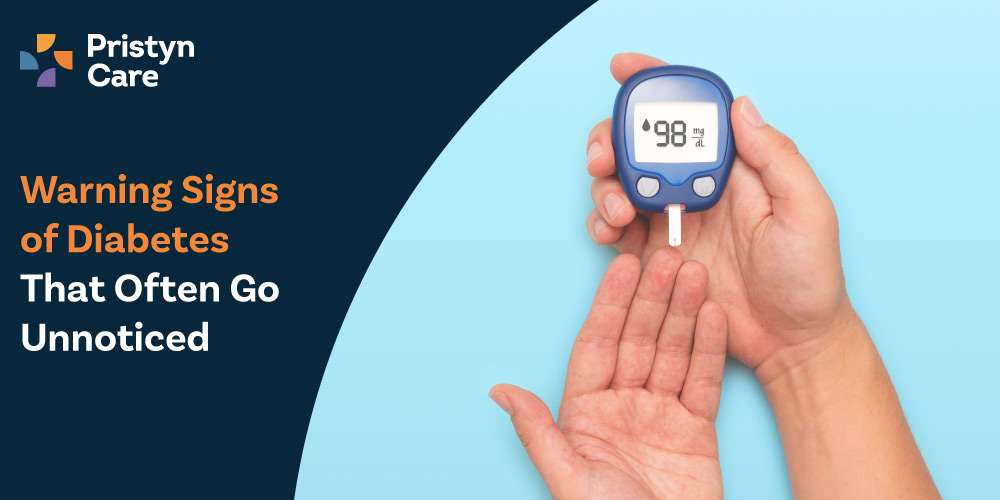
Warning Signs of Diabetes That Often Go Unnoticed
Diabetes is often called a “silent disease” because its early symptoms can be mild, vague, or easily ignored. Many people live with high blood sugar levels for months - or even years - without realizing it. Unfortunately, by the time clear symptoms appear, complications may have already begun.

Social share:


Dedicated Support at Every Step!
Our Doctors are available 24 hours a day, 7 days a week to help you!

Recognizing the early warning signs of diabetes that often go unnoticed can help you seek timely care and prevent long-term health risks.
Table of Contents
What Is Diabetes?
Diabetes is a chronic condition in which the body either does not produce enough insulin or cannot use it effectively. This leads to elevated blood sugar levels, which can gradually damage organs such as the heart, kidneys, eyes, and nerves.
No Cost EMI, Hassle-free Insurance Approval
Warning Signs of Diabetes That Often Go Unnoticed
1. Frequent Urination
One of the earliest signs is needing to urinate more often than usual, especially at night. Excess sugar in the blood pulls water from tissues, increasing urine production.
2. Increased Thirst
As the body loses more fluids through frequent urination, you may feel unusually thirsty, even after drinking water regularly.
3. Unexplained Fatigue
Persistent tiredness or low energy levels can occur because the body is unable to use glucose efficiently for energy.
4. Blurred Vision
High blood sugar levels can affect the lens of the eye, leading to temporary blurred vision. This symptom is often overlooked or attributed to eye strain.
5. Slow Healing of Wounds
Cuts, bruises, or infections that take longer than usual to heal may indicate poor blood circulation and impaired immune response due to diabetes.
6. Increased Hunger
Despite eating regularly, you may feel hungry more often. This happens because the body is not effectively converting glucose into energy.
7. Unexplained Weight Loss
Sudden weight loss without changes in diet or exercise can be an early sign, particularly in individuals with uncontrolled blood sugar levels.
8. Tingling or Numbness in Hands and Feet
High blood sugar can damage nerves over time, causing a tingling or numb sensation, especially in the extremities.
9. Frequent Infections
Recurrent infections - such as skin infections, urinary tract infections, or gum problems - may be linked to high blood sugar levels.
10. Dry Skin and Itching
Dehydration and poor circulation can lead to dry, itchy skin, which is often ignored as a minor issue.
Why These Symptoms Are Often Ignored
Many early signs of diabetes are subtle and can be mistaken for:
- Stress or fatigue
- Aging
- Weather-related changes
- Minor infections
This is why diabetes often remains undiagnosed until complications arise.
Who Is at Higher Risk?
You may be at increased risk if you:
- Have a family history of diabetes
- Are overweight or physically inactive
- Have high blood pressure or cholesterol
- Are above 35–40 years of age
- Have a history of gestational diabetes
When Should You Get Tested?
Consider getting your blood sugar levels checked if:
- You experience any of the symptoms mentioned above
- Symptoms persist for more than a few weeks
- You fall into a high-risk category
- You notice sudden changes in weight, vision, or energy levels
Why Early Detection Matters
Untreated diabetes can lead to serious complications, including:
- Heart disease
- Kidney damage
- Vision loss
- Nerve damage
- Increased risk of infections
Early diagnosis allows for better control and prevention of these complications.
How to Prevent or Manage Early Diabetes
- Maintain a healthy diet with controlled sugar intake
- Exercise regularly
- Monitor blood sugar levels if at risk
- Manage stress and get adequate sleep
- Follow medical advice and regular check-ups


Final Thoughts
Diabetes doesn’t always announce itself with obvious symptoms. Subtle changes like fatigue, increased thirst, or slow healing can be early warning signs that are easy to overlook.
Paying attention to these signals and getting tested at the right time can help you detect diabetes early and take control of your health before complications develop.
Author:



Related Calculators

Dedicated Support at Every Step!
Our Doctors are available 24 hours a day, 7 days a week to help you!


