


 Views: 188
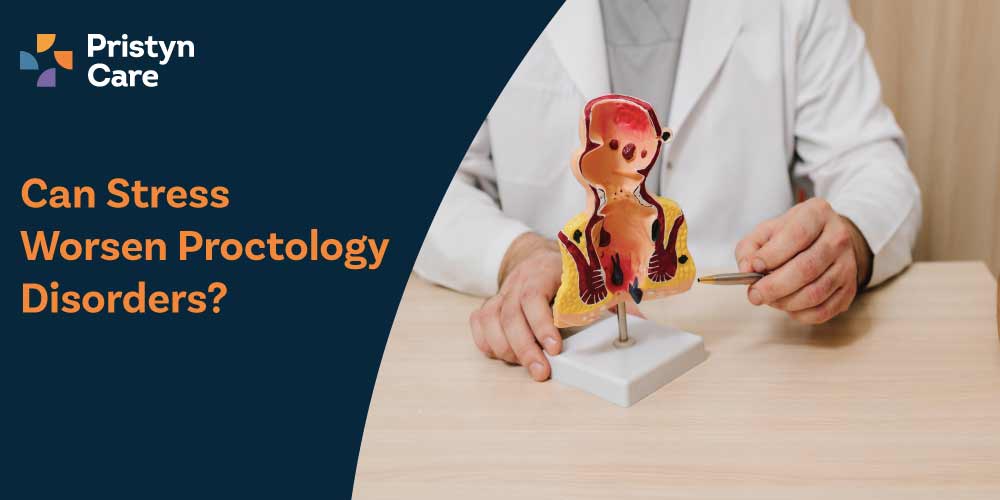
Can Stress Worsen Proctology Disorders?



Dedicated Support at Every Step!
Our Doctors are available 24 hours a day, 7 days a week to help you!

For individuals already dealing with hemorrhoids, anal fissures, constipation, or irritable bowel syndrome (IBS), stress may increase symptom severity and slow recovery.
Table of Contents
Understanding the Link Between Stress and Digestive Health
The digestive system and brain are closely connected through the gut-brain axis. Emotional stress can influence how the intestines function, how muscles contract, and how pain is perceived.
When stress levels rise, the body releases hormones such as cortisol and adrenaline. These hormones can:
- Alter bowel movements
- Increase muscle tension
- Affect digestion
- Trigger inflammation
- Increase sensitivity to pain
- Disrupt healthy gut bacteria
As a result, stress may contribute to worsening symptoms in various proctological conditions.
No Cost EMI, Hassle-free Insurance Approval
What Are Proctology Disorders?
Proctology disorders involve conditions affecting the anus, rectum, and lower digestive tract. Common examples include:
- Hemorrhoids
- Anal fissures
- Fistulas
- Constipation
- Rectal pain syndromes
- Pilonidal disease
- Irritable bowel syndrome (IBS)
- Rectal inflammation
Many of these conditions are influenced by bowel habits and muscle function, both of which can change during periods of stress.
How Stress Can Worsen Hemorrhoids
Hemorrhoids are swollen veins in the rectal or anal region. Stress itself may not directly cause hemorrhoids, but it can worsen contributing factors.
Stress-related habits that may aggravate hemorrhoids include:
- Constipation
- Straining during bowel movements
- Poor eating habits
- Reduced water intake
- Long sitting hours
- Lack of physical activity
Stress can also increase inflammation and muscle tension, making hemorrhoid symptoms feel more painful.
Common symptoms include:
- Rectal discomfort
- Swelling
- Bleeding during bowel movements
- Itching or burning sensation
Stress and Constipation
Constipation is one of the most common digestive problems linked to stress.
During stress, digestion may slow down, leading to:
- Hard stools
- Infrequent bowel movements
- Increased straining
- Abdominal bloating
Chronic constipation can increase pressure in the rectal area and contribute to hemorrhoids or anal fissures.
People under stress may also ignore the urge to pass stool due to busy schedules or anxiety, worsening bowel irregularities.
Can Stress Trigger Anal Fissures?
Anal fissures are small tears in the anal lining, often caused by hard stools or excessive straining.
Stress-related constipation and muscle tightening may increase the risk of fissures or delay healing.
Symptoms may include:
- Sharp pain during bowel movements
- Burning sensation
- Bleeding
- Muscle spasms around the anus
Chronic stress may also increase pain sensitivity, making symptoms feel more severe.
The Role of Stress in IBS and Rectal Symptoms
Irritable bowel syndrome is strongly connected to emotional health and stress.
People with IBS may experience:
- Alternating constipation and diarrhea
- Abdominal pain
- Rectal urgency
- Bloating
- Mucus in stool
Stress can trigger IBS flare-ups by affecting intestinal contractions and gut sensitivity.
Individuals with IBS may also develop secondary proctology problems due to repeated bowel irritation.
Pelvic Floor Tension and Rectal Pain
Stress often causes unconscious muscle tightening throughout the body, including the pelvic floor muscles.
Pelvic muscle tension may contribute to:
- Rectal pressure
- Difficulty passing stool
- Chronic pelvic pain
- Painful bowel movements
- Sensation of incomplete evacuation
Over time, muscle tension can interfere with normal bowel function and increase discomfort.
Does Anxiety Increase Pain Sensitivity?
People experiencing chronic stress or anxiety may become more sensitive to physical discomfort.
Even mild rectal irritation may feel more intense because stress affects how the nervous system processes pain signals.
This heightened sensitivity can:
- Increase discomfort from hemorrhoids
- Worsen pelvic pain
- Make bowel movements more stressful
- Create a cycle of anxiety and symptom worsening
Managing stress can sometimes reduce symptom severity and improve quality of life.
 Doctor available
4.5/5

31+ Years Experience Overall
Doctor available
5.0/5
30+ Years Experience Overall
Doctor available
4.5/5
25+ Years Experience Overall
Doctor available
4.5/5
23+ Years Experience Overall
Doctor available
4.5/5
17+ Years Experience Overall
Doctor available
4.5/5
15+ Years Experience Overall
Doctor available
4.5/5
15+ Years Experience Overall
Doctor available
4.5/5
14+ Years Experience Overall
Doctor available
4.5/5
13+ Years Experience Overall
Doctor available
5.0/5
13+ Years Experience Overall
Doctor available
5.0/5
12+ Years Experience Overall
Doctor available
5.0/5
27+ Years Experience Overall
Doctor available
4.5/5
27+ Years Experience Overall
Doctor available.jpg/1681796287744_ban-Icon.png)
4.9/5
25+ Years Experience Overall
Doctor available
4.6/5
24+ Years Experience Overall
Doctor available
4.5/5
24+ Years Experience Overall
Doctor available
MBBS, DNB( General Surgery) MNAMS, FMAS, FIAGES, FAIS
₹1200₹600Consultation Fee
4.5/5
24+ Years Experience Overall
Doctor available
4.7/5
23+ Years Experience Overall
Doctor available
4.5/5
23+ Years Experience Overall
Doctor available
4.5/5
23+ Years Experience Overall
Doctor available
4.7/5
22+ Years Experience Overall
Doctor available
5.0/5
22+ Years Experience Overall
Doctor available
4.5/5
21+ Years Experience Overall
Doctor available
4.5/5
21+ Years Experience Overall
Doctor available
4.7/5
20+ Years Experience Overall
Doctor available
4.5/5
20+ Years Experience Overall
Doctor available
5.0/5
20+ Years Experience Overall
Doctor available
4.9/5
20+ Years Experience Overall
Doctor available
MBBS, DNB-General Surgery, FMAS, FCLS, FLHS, FICS, FIAGES, MCLS, MNAMS,
₹1200₹600Consultation Fee
5.0/5
19+ Years Experience Overall
Doctor available
4.5/5
19+ Years Experience Overall
Doctor available
4.8/5
17+ Years Experience Overall
Doctor available
5.0/5
17+ Years Experience Overall
Doctor available
4.9/5
17+ Years Experience Overall
Doctor available
4.5/5
17+ Years Experience Overall
Doctor available
5.0/5
17+ Years Experience Overall
Doctor available
5.0/5
16+ Years Experience Overall
Doctor available
4.5/5
16+ Years Experience Overall
Doctor available
5.0/5
16+ Years Experience Overall
Doctor available
4.8/5
16+ Years Experience Overall
Doctor available
4.5/5
16+ Years Experience Overall
Doctor available
4.6/5
15+ Years Experience Overall
Doctor available
4.5/5
15+ Years Experience Overall
Doctor available
4.9/5
15+ Years Experience Overall
Doctor available
4.9/5
14+ Years Experience Overall
Doctor available.jpg/1679651251511_ban-Icon.png)
5.0/5
14+ Years Experience Overall
Doctor available
4.5/5
14+ Years Experience Overall
Doctor available
4.6/5
13+ Years Experience Overall
Doctor available
5.0/5
13+ Years Experience Overall
Doctor available
4.5/5
13+ Years Experience Overall
Doctor available
4.5/5
13+ Years Experience Overall
Doctor available
5.0/5
13+ Years Experience Overall
Doctor available
4.5/5
13+ Years Experience Overall
Doctor available
4.5/5
12+ Years Experience Overall
Doctor available
MBBS, M.S.(Gen. Surgery), DNB (Gen. Surgery), F.MAS, D.MAS, FAIS, FALS, FIAGES
₹1200₹600Consultation Fee
4.5/5
12+ Years Experience Overall
Doctor available.jpg/1681109066874_ban-Icon.png)
4.9/5
12+ Years Experience Overall
Doctor available
4.5/5
12+ Years Experience Overall
Doctor available
4.8/5
12+ Years Experience Overall
Doctor available
4.8/5
12+ Years Experience Overall
Doctor available
4.5/5
12+ Years Experience Overall
Doctor available
4.5/5
11+ Years Experience Overall
Doctor available
5.0/5
11+ Years Experience Overall
Doctor available
4.5/5
11+ Years Experience Overall
Doctor available.jpg/1685814002647_ban-Icon.png)
4.9/5
11+ Years Experience Overall
Doctor available
4.5/5
10+ Years Experience Overall
Doctor available
5.0/5
10+ Years Experience Overall
Doctor available
4.5/5
9+ Years Experience Overall
Doctor available
4.5/5
8+ Years Experience Overall
Doctor available
4.5/5
8+ Years Experience Overall
Doctor available
4.5/5
27+ Years Experience Overall
Doctor available
4.5/5
27+ Years Experience Overall
Doctor available
4.5/5
26+ Years Experience Overall
Doctor available
4.5/5
26+ Years Experience Overall
Doctor available
5.0/5
24+ Years Experience Overall
 Doctor available
4.5/5
21+ Years Experience Overall
Doctor available
4.5/5
21+ Years Experience Overall
Doctor available
5.0/5
21+ Years Experience Overall
Doctor available
4.5/5
20+ Years Experience Overall
Doctor available
4.5/5
20+ Years Experience Overall
Doctor available
4.5/5
19+ Years Experience Overall
Doctor available
4.5/5
18+ Years Experience Overall
Doctor available
4.8/5
18+ Years Experience Overall
Doctor available
4.5/5
15+ Years Experience Overall
Doctor available
Dr. Penmetsa Bhanu Prakash Raju
MBBS, MS-General Surgery, FNB-Minimal Acess Surgery
₹1200₹600Consultation Fee
4.5/5
15+ Years Experience Overall
Doctor available
5.0/5
14+ Years Experience Overall
Doctor available
4.9/5
14+ Years Experience Overall
Doctor available
4.5/5
14+ Years Experience Overall
Doctor available
4.5/5
14+ Years Experience Overall
Doctor available
4.5/5
14+ Years Experience Overall
Doctor available
5.0/5
13+ Years Experience Overall
Doctor available%20(1).png/1742636902782_ban-Icon.png)
4.5/5
13+ Years Experience Overall
Doctor available
4.9/5
13+ Years Experience Overall
Doctor available
4.5/5
13+ Years Experience Overall
Doctor available
4.5/5
11+ Years Experience Overall
Doctor available
4.5/5
10+ Years Experience Overall
Doctor available
4.5/5
10+ Years Experience Overall
Doctor available
4.5/5
9+ Years Experience Overall
Doctor available
4.5/5
7+ Years Experience Overall
Lifestyle Habits During Stress That Affect Rectal Health
Stress often changes daily habits in ways that negatively impact digestive and rectal health.
Common stress-related lifestyle changes include:
Poor Diet
People under stress may consume more processed foods, caffeine, spicy meals, or low-fiber foods, which can worsen constipation and digestive irritation.
Reduced Water Intake
Dehydration contributes to harder stools and difficult bowel movements.
Physical Inactivity
Stress and fatigue may reduce physical activity levels, slowing digestion and circulation.
Irregular Sleep
Poor sleep can affect digestion, inflammation, and overall bowel function.
Delayed Bathroom Habits
Ignoring bowel urges due to stress or work pressure may contribute to constipation and straining.
Symptoms That May Worsen During Stress
Individuals with proctology disorders may notice worsening symptoms during emotionally stressful periods.
Possible symptoms include:
- Increased rectal pain
- More frequent constipation
- Hemorrhoid flare-ups
- Anal itching or burning
- Increased bloating
- Difficulty passing stool
- Pelvic discomfort
- Digestive irregularities
Tracking symptoms alongside stress levels may help identify triggers.
How to Reduce Stress-Related Proctology Symptoms
Manage Stress Effectively
Stress management can improve digestive and bowel function.
Helpful techniques include:
- Deep breathing exercises
- Meditation
- Yoga
- Mindfulness practices
- Counseling or therapy
- Relaxation exercises
Consistent stress reduction often supports better symptom control.
Increase Fiber Intake
Fiber helps soften stools and supports healthy bowel movements.
Good sources include:
- Fruits
- Vegetables
- Whole grains
- Legumes
- Seeds
Gradually increasing fiber intake may reduce constipation risk.
Stay Hydrated
Drinking enough water helps prevent hard stools and supports digestive health.
Exercise Regularly
Physical activity stimulates bowel movement and reduces stress hormones.
Beneficial activities include:
- Walking
- Swimming
- Stretching
- Cycling
- Light strength training
Maintain Healthy Bathroom Habits
Avoid excessive straining or sitting too long on the toilet.
Responding promptly to bowel urges may help reduce constipation.
Improve Sleep Quality
Adequate sleep supports hormone balance, stress control, and digestive function.
When to Seek Medical Help
While mild symptoms may improve with lifestyle changes, some symptoms require professional evaluation.
Consult a healthcare provider if you experience:
- Persistent rectal bleeding
- Severe pain
- Chronic constipation
- Unexplained weight loss
- Swelling or discharge
- Ongoing digestive symptoms
- Symptoms interfering with daily life
Early treatment may prevent complications and improve recovery.
Medical Treatments for Proctology Disorders
Treatment depends on the underlying condition and symptom severity.
Possible treatments include:
- Dietary changes
- Stool softeners
- Topical medications
- Sitz baths
- Anti-inflammatory medications
- Pelvic floor therapy
- Minimally invasive hemorrhoid procedures
- Surgery in advanced cases
In some individuals, combining medical treatment with stress management provides better long-term outcomes.

Free Piles Surgery Cost Calculator

Our care coordinator will call you shortly.
Can Mental Health Support Improve Symptoms?
For individuals with chronic digestive or rectal disorders, addressing emotional well-being may improve symptom management.
Psychological support may help:
- Reduce stress-related bowel symptoms
- Improve coping strategies
- Lower anxiety around bowel movements
- Reduce chronic pain perception
A multidisciplinary approach involving both physical and mental health care may benefit some patients.
Frequently Asked Questions (FAQs)
Can stress cause hemorrhoids?
Stress does not directly cause hemorrhoids, but it can worsen constipation, straining, and inflammation that contribute to hemorrhoid symptoms.
Does anxiety affect bowel movements?
Anxiety and stress can alter digestion and bowel activity, leading to constipation, diarrhea, or irregular bowel habits.
Can stress make anal fissures worse?
Stress-related constipation and muscle tension may increase pain and delay healing of anal fissures.
Why do digestive symptoms increase during stress?
Stress affects the gut-brain connection, influencing intestinal movement, inflammation, and pain sensitivity.
Can relaxation techniques improve rectal health symptoms?
Stress reduction techniques may help improve bowel regularity, reduce muscle tension, and decrease symptom severity.
Conclusion
Stress can significantly influence digestive and rectal health, often worsening symptoms of hemorrhoids, constipation, anal fissures, and other proctology disorders. The close relationship between emotional health and bowel function means that chronic stress may contribute to inflammation, muscle tension, irregular bowel habits, and increased pain sensitivity.
Fortunately, combining medical care with healthy lifestyle habits and effective stress management can help reduce symptom flare-ups and improve overall quality of life. Recognizing the role of stress in proctology disorders allows individuals to take a more comprehensive approach to long-term digestive and rectal health.


SEO Keywords Included Naturally
- stress and hemorrhoids
- can stress worsen hemorrhoids
- stress and proctology disorders
- anxiety and rectal pain
- stress constipation connection
- anal fissures and stress
- gut-brain connection digestive health
- stress and IBS symptoms
- rectal health and stress
- pelvic floor tension and anxiety
Social share:






Related Calculators

Dedicated Support at Every Step!
Our Doctors are available 24 hours a day, 7 days a week to help you!
Related Calculators
Get In Touch with our expert doctors !
- please enter 10 digit number.


