


 Views: 152
Lifestyle Changes to Prevent Recurrence of Piles
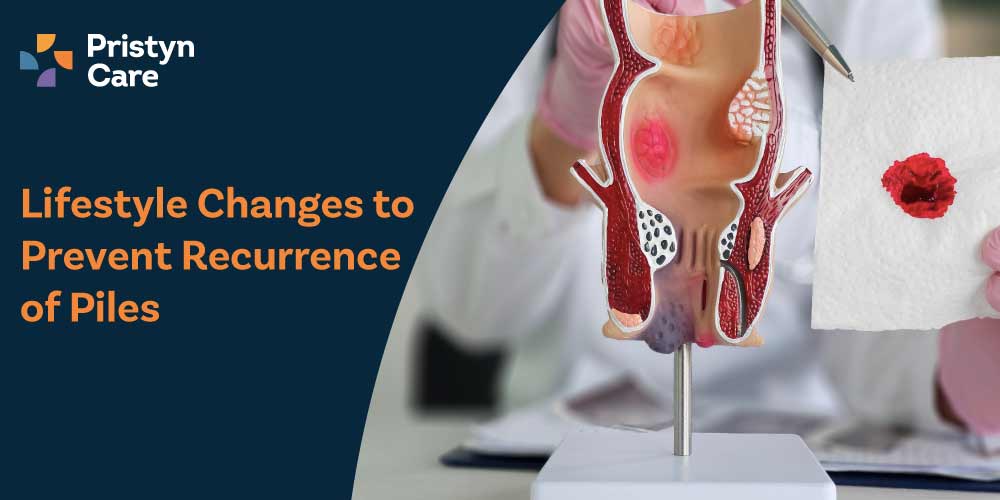
Piles, also known as hemorrhoids, are swollen veins in the rectum or anus that can cause pain, bleeding, itching, and discomfort. While many people recover after treatment, piles may return if the underlying lifestyle factors are not addressed.


Dedicated Support at Every Step!
Our Doctors are available 24 hours a day, 7 days a week to help you!

Preventing recurrence of piles requires long-term changes in diet, bowel habits, physical activity, and daily routines. Healthy lifestyle modifications can reduce pressure on rectal veins, improve digestion, and lower the risk of future flare-ups.
Understanding which habits contribute to hemorrhoids and how to manage them effectively can help maintain better rectal and digestive health.
Table of Contents
Why Do Piles Recur?
Hemorrhoids often recur because the factors that caused them initially continue over time.
Common reasons for recurrence include:
- Chronic constipation
- Straining during bowel movements
- Low-fiber diet
- Prolonged sitting
- Obesity
- Lack of exercise
- Inadequate water intake
- Poor toilet habits
- Heavy lifting
Addressing these triggers is essential for long-term prevention.
No Cost EMI, Hassle-free Insurance Approval
Increase Fiber Intake
A high-fiber diet is one of the most important lifestyle changes for preventing piles.
Fiber helps:
- Soften stools
- Improve bowel movement regularity
- Reduce constipation
- Minimize straining during stool passage
Best High-Fiber Foods
Include foods such as:
- Fruits
- Vegetables
- Whole grains
- Oats
- Brown rice
- Lentils and beans
- Seeds and nuts
Gradually increasing fiber intake may help avoid bloating or gas.
Stay Properly Hydrated
Drinking enough water helps maintain soft stools and supports healthy digestion.
Dehydration can contribute to:
- Hard stools
- Constipation
- Straining during bowel movements
Most adults benefit from regular fluid intake throughout the day, especially in hot weather or during physical activity.
Avoid Straining During Bowel Movements
Excessive straining increases pressure on rectal veins and may worsen hemorrhoids.
Healthy Bowel Habits Include:
- Avoid forcing stool passage
- Respond to bowel urges promptly
- Take sufficient time without prolonged sitting
- Avoid reading or using phones on the toilet
Relaxed bowel habits reduce stress on the anal region.
Do Not Sit on the Toilet for Long Periods
Spending too much time on the toilet increases pressure around the rectum and anus.
Long sitting sessions may contribute to:
- Swollen rectal veins
- Reduced blood circulation
- Hemorrhoid flare-ups
Keeping bathroom visits short and focused may help prevent recurrence.
Exercise Regularly
Regular physical activity supports healthy digestion and improves circulation.
Exercise can help:
- Reduce constipation
- Promote regular bowel movements
- Maintain healthy body weight
- Improve blood flow
Beneficial Exercises for Piles Prevention
- Walking
- Swimming
- Yoga
- Light jogging
- Stretching exercises
Moderate daily activity may significantly lower recurrence risk.
Avoid Prolonged Sitting
Long sitting hours place pressure on the pelvic and rectal veins.
People with desk jobs or sedentary lifestyles may have a higher risk of recurring piles.
Helpful Tips
- Stand or walk every 30–60 minutes
- Use ergonomic seating
- Avoid sitting on hard surfaces for long durations
- Stretch regularly during work hours
Movement improves circulation and reduces venous pressure.
Maintain a Healthy Body Weight
Excess body weight increases abdominal pressure, which can affect rectal veins.
Obesity is associated with:
- Chronic constipation
- Increased pelvic pressure
- Higher hemorrhoid recurrence risk
Balanced nutrition and regular exercise support weight management and digestive health.
Avoid Heavy Lifting and Excessive Pressure
Frequent heavy lifting may increase pressure inside the abdomen and rectal veins.
If lifting is necessary:
- Use proper lifting techniques
- Avoid holding breath while lifting
- Engage core muscles carefully
Reducing unnecessary strain may help protect against hemorrhoid recurrence.
Improve Bathroom Routine
Establishing a regular bowel routine supports healthy digestion.
Healthy Toilet Habits
- Use the toilet at consistent times
- Avoid delaying bowel movements
- Do not strain excessively
- Maintain proper posture while sitting
Consistency may help reduce constipation and irregular bowel patterns.
Consider Sitz Baths for Comfort
Warm sitz baths may help relieve discomfort and improve circulation around the anal area.
They may be especially helpful during mild flare-ups or after bowel movements.
 Doctor available
4.5/5

31+ Years Experience Overall
Doctor available
5.0/5
30+ Years Experience Overall
Doctor available
4.5/5
25+ Years Experience Overall
Doctor available
4.5/5
23+ Years Experience Overall
Doctor available
4.5/5
17+ Years Experience Overall
Doctor available
4.5/5
15+ Years Experience Overall
Doctor available
4.5/5
15+ Years Experience Overall
Doctor available
4.5/5
14+ Years Experience Overall
Doctor available
5.0/5
13+ Years Experience Overall
Doctor available
4.5/5
13+ Years Experience Overall
Doctor available
5.0/5
12+ Years Experience Overall
Doctor available
5.0/5
27+ Years Experience Overall
Doctor available
4.5/5
27+ Years Experience Overall
Doctor available.jpg/1681796287744_ban-Icon.png)
4.9/5
25+ Years Experience Overall
Doctor available
4.6/5
24+ Years Experience Overall
Doctor available
4.5/5
24+ Years Experience Overall
Doctor available
MBBS, DNB( General Surgery) MNAMS, FMAS, FIAGES, FAIS
₹1200₹600Consultation Fee
4.5/5
24+ Years Experience Overall
Doctor available
4.7/5
23+ Years Experience Overall
Doctor available
4.5/5
23+ Years Experience Overall
Doctor available
4.5/5
23+ Years Experience Overall
Doctor available
4.7/5
22+ Years Experience Overall
Doctor available
5.0/5
22+ Years Experience Overall
Doctor available
4.5/5
21+ Years Experience Overall
Doctor available
4.5/5
21+ Years Experience Overall
Doctor available
4.7/5
20+ Years Experience Overall
Doctor available
4.5/5
20+ Years Experience Overall
Doctor available
5.0/5
20+ Years Experience Overall
Doctor available
4.9/5
20+ Years Experience Overall
Doctor available
MBBS, DNB-General Surgery, FMAS, FCLS, FLHS, FICS, FIAGES, MCLS, MNAMS,
FREEConsultation Fee
5.0/5
19+ Years Experience Overall
Doctor available
4.5/5
19+ Years Experience Overall
Doctor available
4.8/5
17+ Years Experience Overall
Doctor available
5.0/5
17+ Years Experience Overall
Doctor available
4.9/5
17+ Years Experience Overall
Doctor available
5.0/5
17+ Years Experience Overall
Doctor available
5.0/5
17+ Years Experience Overall
Doctor available
5.0/5
16+ Years Experience Overall
Doctor available
4.5/5
16+ Years Experience Overall
Doctor available
4.8/5
16+ Years Experience Overall
Doctor available
5.0/5
16+ Years Experience Overall
Doctor available
4.5/5
16+ Years Experience Overall
Doctor available
4.6/5
15+ Years Experience Overall
Doctor available
4.9/5
15+ Years Experience Overall
Doctor available
4.5/5
15+ Years Experience Overall
Doctor available
4.5/5
15+ Years Experience Overall
Doctor available
4.9/5
14+ Years Experience Overall
Doctor available.jpg/1679651251511_ban-Icon.png)
5.0/5
14+ Years Experience Overall
Doctor available
4.5/5
14+ Years Experience Overall
Doctor available
5.0/5
13+ Years Experience Overall
Doctor available
4.6/5
13+ Years Experience Overall
Doctor available
4.5/5
13+ Years Experience Overall
Doctor available
4.5/5
13+ Years Experience Overall
Doctor available
5.0/5
13+ Years Experience Overall
Doctor available
5.0/5
13+ Years Experience Overall
Doctor available
4.5/5
12+ Years Experience Overall
Doctor available
4.8/5
12+ Years Experience Overall
Doctor available
4.8/5
12+ Years Experience Overall
Doctor available
MBBS, M.S.(Gen. Surgery), DNB (Gen. Surgery), F.MAS, D.MAS, FAIS, FALS, FIAGES
₹1200₹600Consultation Fee
4.5/5
12+ Years Experience Overall
Doctor available.jpg/1681109066874_ban-Icon.png)
4.9/5
12+ Years Experience Overall
Doctor available
4.5/5
12+ Years Experience Overall
Doctor available
4.5/5
12+ Years Experience Overall
Doctor available
4.5/5
12+ Years Experience Overall
Doctor available.jpg/1685814002647_ban-Icon.png)
4.9/5
11+ Years Experience Overall
Doctor available
4.5/5
11+ Years Experience Overall
Doctor available
4.5/5
11+ Years Experience Overall
Doctor available
5.0/5
11+ Years Experience Overall
Doctor available
4.5/5
10+ Years Experience Overall
Doctor available
5.0/5
10+ Years Experience Overall
Doctor available
4.5/5
9+ Years Experience Overall
Doctor available
4.5/5
8+ Years Experience Overall
Doctor available
4.5/5
8+ Years Experience Overall
Doctor available
4.5/5
27+ Years Experience Overall
Doctor available
4.5/5
27+ Years Experience Overall
Doctor available
4.5/5
26+ Years Experience Overall
Doctor available
4.5/5
26+ Years Experience Overall
Doctor available
5.0/5
24+ Years Experience Overall
 Doctor available
4.5/5
21+ Years Experience Overall
Doctor available
4.5/5
21+ Years Experience Overall
Doctor available
5.0/5
21+ Years Experience Overall
Doctor available
4.5/5
20+ Years Experience Overall
Doctor available
4.5/5
20+ Years Experience Overall
Doctor available
4.5/5
19+ Years Experience Overall
Doctor available
4.5/5
18+ Years Experience Overall
Doctor available
4.9/5
18+ Years Experience Overall
Doctor available
4.5/5
15+ Years Experience Overall
Doctor available
Dr. Penmetsa Bhanu Prakash Raju
MBBS, MS-General Surgery, FNB-Minimal Acess Surgery
₹1200₹600Consultation Fee
4.5/5
15+ Years Experience Overall
Doctor available
4.9/5
14+ Years Experience Overall
Doctor available
4.5/5
14+ Years Experience Overall
Doctor available
4.5/5
14+ Years Experience Overall
Doctor available
4.5/5
14+ Years Experience Overall
Doctor available
5.0/5
14+ Years Experience Overall
Doctor available%20(1).png/1742636902782_ban-Icon.png)
4.5/5
13+ Years Experience Overall
Doctor available
5.0/5
13+ Years Experience Overall
Doctor available
4.9/5
13+ Years Experience Overall
Doctor available
4.5/5
13+ Years Experience Overall
Doctor available
4.5/5
12+ Years Experience Overall
Doctor available
4.5/5
11+ Years Experience Overall
Doctor available
4.5/5
10+ Years Experience Overall
Doctor available
4.5/5
10+ Years Experience Overall
Doctor available
4.5/5
9+ Years Experience Overall
Doctor available
4.5/5
7+ Years Experience Overall
Limit Processed and Low-Fiber Foods
Certain foods may worsen constipation and digestive irregularities.
Foods to Limit
- Fast food
- Processed snacks
- Refined flour products
- Excessive red meat
- Sugary foods
Replacing processed foods with fiber-rich alternatives may support bowel health.
Reduce Alcohol and Excessive Caffeine Intake
Alcohol and excessive caffeine may contribute to dehydration in some individuals.
Dehydration can harden stools and increase constipation risk.
Moderation may support healthier digestion and bowel function.
Manage Stress Levels
Stress may affect digestion and bowel habits in some individuals.
Stress-related constipation or irregular bowel movements can worsen hemorrhoid symptoms.
Helpful Stress Management Techniques
- Meditation
- Deep breathing exercises
- Yoga
- Relaxation techniques
- Adequate sleep
Supporting emotional well-being may also improve digestive health.
Avoid Ignoring Early Symptoms
Mild symptoms should not be ignored.
Early signs of hemorrhoid recurrence may include:
- Itching
- Mild bleeding
- Discomfort during bowel movements
- Rectal swelling
Early management may prevent progression to more severe symptoms.
Pregnancy and Hemorrhoid Prevention
Pregnant women are at increased risk of piles due to hormonal changes and pelvic pressure.
Helpful preventive measures during pregnancy include:
- Staying hydrated
- Eating fiber-rich foods
- Gentle physical activity
- Avoiding constipation
- Avoiding prolonged standing or sitting
Consulting a healthcare provider during pregnancy is important before using medications.
Can Lifestyle Changes Prevent Surgery?
In many cases, healthy habits can reduce symptom severity and help prevent recurrent flare-ups.
However, severe or advanced hemorrhoids may still require medical procedures or surgery.
Lifestyle improvements remain important even after treatment to reduce the chance of recurrence.

Free Piles Surgery Cost Calculator

Our care coordinator will call you shortly.
When to See a Doctor
Medical evaluation is recommended if you experience:
- Persistent bleeding
- Severe pain
- Recurrent swelling
- Difficulty sitting
- Symptoms not improving with lifestyle changes
- Excessive itching or discharge
A healthcare provider can determine whether additional treatment is needed.
Medical Treatments for Recurrent Piles
If lifestyle modifications are insufficient, treatment options may include:
- Topical medications
- Stool softeners
- Rubber band ligation
- Infrared coagulation
- Laser hemorrhoid treatment
- Surgical hemorrhoid removal
Treatment depends on the severity and type of hemorrhoids.
Long-Term Tips for Preventing Piles Recurrence
Daily Prevention Checklist
- Eat a fiber-rich diet
- Drink enough water
- Stay physically active
- Avoid prolonged sitting
- Maintain healthy body weight
- Prevent constipation
- Use healthy bathroom habits
- Manage stress effectively
Consistency with these habits can significantly lower recurrence risk.
Frequently Asked Questions (FAQs)
Can piles come back after treatment?
Yes, piles may recur if constipation, straining, prolonged sitting, or other risk factors continue.
Which foods help prevent piles?
Fiber-rich foods such as fruits, vegetables, whole grains, and legumes help support healthy bowel movements.
Does drinking water help prevent hemorrhoids?
Adequate hydration helps soften stools and reduce constipation, lowering strain during bowel movements.
Can exercise reduce piles recurrence?
Regular physical activity improves digestion and circulation, helping reduce the risk of recurrent hemorrhoids.
Is sitting too long bad for piles?
Prolonged sitting increases pressure on rectal veins and may contribute to hemorrhoid flare-ups.
Conclusion
Preventing recurrence of piles requires a combination of healthy bowel habits, proper nutrition, hydration, regular exercise, and reduced strain on the rectal area. Lifestyle changes not only improve digestive health but also help minimize pressure on hemorrhoidal veins.
While medical treatments may provide relief, long-term prevention depends largely on consistent daily habits. Recognizing early symptoms and maintaining a healthy routine can significantly reduce the likelihood of recurrent hemorrhoids and improve overall quality of life.


SEO Keywords Included Naturally
- lifestyle changes to prevent piles
- hemorrhoid prevention tips
- prevent recurrence of piles
- how to avoid hemorrhoids naturally
- piles prevention diet
- constipation and hemorrhoids
- best foods for piles prevention
- exercise for hemorrhoids prevention
- healthy bowel habits for piles
- prevent hemorrhoids from coming back
Social share:






Related Calculators

Dedicated Support at Every Step!
Our Doctors are available 24 hours a day, 7 days a week to help you!
Related Calculators
Get In Touch with our expert doctors !
- please enter 10 digit number.


