


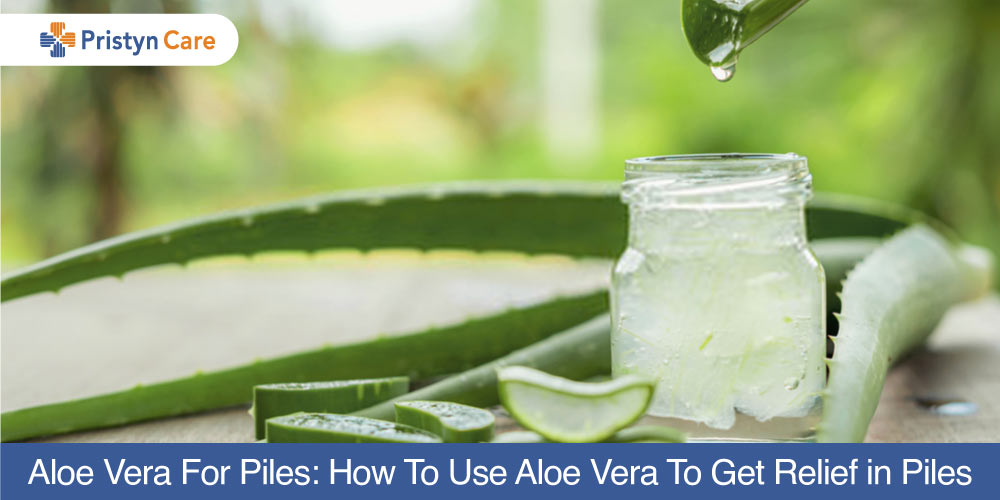
Aloe vera is commonly used as a home remedy for skin irritation because of its soothing properties. For people with piles or hemorrhoids, topical aloe vera gel may help soothe irritation, although evidence supporting its effectiveness specifically for piles is limited. It does not cure hemorrhoids or replace medical treatment.
Piles are swollen veins in or around the anus and rectum. Common symptoms include pain, itching, swelling, discomfort, and bleeding during bowel movements. Here is what you should know about using aloe vera for piles and the precautions to follow.
Table of Contents
Why Use Aloe Vera for Piles?
Aloe vera is known for its soothing and moisturizing properties. While it may help relieve minor skin irritation, there is limited clinical evidence that it effectively treats piles. Its use should be restricted to appropriate external applications, and persistent symptoms should be assessed by a doctor.
Aloe Vera Gel for Piles
Aloe vera gel may soothe irritated skin around the anal area. However, it has not been established as a proven treatment for hemorrhoids, and claims that it eliminates infection or heals piles are not supported by sufficient clinical evidence.
How to Use Aloe Vera Gel
Wash your hands before and after application. If using fresh aloe vera, extract the clear inner gel carefully and ensure that the yellow latex layer is removed. Alternatively, choose a fragrance-free product intended for topical use. Apply a small amount to the external anal area and stop using it if you experience burning, itching, or irritation. Avoid applying it to open wounds or inserting it into the anus unless a healthcare professional advises you to do so.
Aloe Vera Juice for Piles
Aloe vera juice is sometimes promoted for digestive health, but there is insufficient evidence that drinking it treats piles. Some aloe products contain latex compounds that can cause abdominal cramps, diarrhoea, and electrolyte disturbances. Diarrhoea may also aggravate anal discomfort.
Is Aloe Vera Juice Good for Piles?
Aloe vera juice is not a proven treatment for hemorrhoids, and drinking it is not necessary to relieve symptoms. To help prevent constipation, drink adequate water, eat fibre-rich foods, and avoid straining during bowel movements. Consult a healthcare professional before consuming aloe vera products, especially if you take medication or have an existing medical condition.
Also read: Piles Treatment Options
Aloe Vera Suppositories for Piles
Although homemade aloe vera suppositories are sometimes suggested online, their safety and effectiveness for piles have not been established. Inserting homemade or frozen aloe vera preparations into the anus may cause irritation or injury. Avoid this method and consult a doctor about suitable treatments for internal hemorrhoids.
| Note: Topical aloe vera gel may soothe minor external irritation, but aloe vera gel and juice are not proven cures for piles. Avoid oral aloe latex and do not use homemade suppositories. |
Can I Eat Aloe Vera to Cure Piles?
Eating aloe vera does not cure piles. Oral aloe products can have side effects, particularly those containing aloe latex. If constipation is contributing to your symptoms, focus on fibre-rich foods, adequate fluids, and healthy bowel habits. Consult a doctor before taking aloe vera supplements or juice, and never consume a topical gel unless it is specifically labelled for oral use.
Aloe Vera for Piles During Pregnancy
Piles can develop during pregnancy because of increased pressure on the pelvic veins and constipation. Do not assume that fresh aloe vera gel or oral aloe products are safe during pregnancy. Consult your obstetrician before using aloe vera or other remedies. Your doctor can recommend appropriate measures to relieve symptoms safely. Also read: Piles During Pregnancy.
Takeaway
Aloe vera may provide temporary soothing for minor external irritation, but evidence supporting its use for piles is limited. To manage symptoms, increase dietary fibre, drink adequate water, avoid straining, and do not sit on the toilet for prolonged periods. Seek medical advice if symptoms persist or recur. Heavy bleeding, severe pain, dizziness, or black stools require prompt medical evaluation.
If home care does not provide relief, consult a qualified doctor to determine the cause of your symptoms and discuss appropriate treatment options. You can explore piles treatment options and seek professional advice about your condition.
- Also Read: Why Am I Not Getting Pregnant? Common Factors
- Also Read: Piles Treatment Options
- Also Read: 4 Methods for Kidney Stone Removal
- Also Read: Laser Circumcision: Benefits and Recovery
 Doctor available