Breast Revision Surgery: Types, Diagnosis & Treatment
For individuals experiencing complications or dissatisfaction with previous breast augmentation, breast revision surgery offers a tailored solution. This procedure addresses issues such as implant malfunction, aesthetic concerns, or physical discomfort, enhancing both appearance and comfort. Our expert plastic surgeons at Pristyn Care utilise advanced techniques to ensure optimal outcomes with minimal scarring. Contact us today to learn more about your options or to schedule a consultation, and take your first step towards renewed confidence and satisfaction with your breast aesthetics.
For individuals experiencing complications or dissatisfaction with previous breast augmentation, breast revision surgery ...offers a tailored solution. This procedure addresses issues such as implant malfunction, aesthetic concerns, or physical discomfort, enhancing both appearance and comfort. Our expert plastic surgeons at Pristyn Care utilise advanced techniques to ensure optimal outcomes with minimal scarring. Contact us today to learn more about your options or to schedule a consultation, and take your first step towards renewed confidence and satisfaction with your breast aesthetics.Read More
💯 No Booking Fees
Book FREE Doctor Appointment
3M+
Happy Patients
50+
Disease
200+
Hospitals
30+
Cities
Free Cab Facility
No-Cost EMI
Support in Insurance Claim
1-day Hospitalization
USFDA-Approved Procedure
What Is Breast Implant Revision Surgery?
Breast implant revision surgery is a secondary procedure which improves or corrects the results of a previous breast augmentation. Unlike the initial surgery, this one deals with complications or changes that occur over time. These include implant rupture, visible wrinkling, hardening due to scar tissue (capsular contracture), or dissatisfaction with size, shape, or symmetry.
Another common reason is implant displacement, where the implant shifts from its original position. In some cases, patients simply wish to upgrade to newer implants or switch from saline to silicone (or vice versa). Revision may also be done to remove implants altogether, especially if lifestyle or health concerns arise.
This surgery is more technically demanding than the first, as it involves working with scarred or stretched tissues. Therefore, it is crucial to choose a board-certified plastic surgeon experienced in revision procedures. Accurate planning and realistic goals are essential for a safe and satisfying outcome.
Free Breast Surgery Cost Calculator
Fill details to get actual cost
Suitable Candidates for Breast Implant Revision
Breast revision surgery goes beyond correcting mistakes. It is a common and sometimes necessary step for patients whose needs, bodies, or implant conditions have changed over time. This procedure is done for both medical and personal reasons.
Common Reasons to Consider a Breast Revision Treatment
Many individuals undergo revision surgery due to the following factors:
Implant rupture or leakage Saline or silicone implants may break or leak over time. This can cause a change in shape or firmness and requires surgical attention.
Capsular contracture This is a condition where scar tissue tightens around the implant, causing pain, hardening, or a distorted appearance.
Implant malposition Sometimes, implants shift from their original position due to gravity, weight change, or poor tissue support.
Changes in breast tissue Ageing, pregnancy, or weight fluctuations can affect how implants look, even if the implants themselves are intact.
Dissatisfaction with cosmetic outcome Some individuals are not fully satisfied with the size, shape, or symmetry of their breasts and wish to make adjustments.
Desire to remove implants Personal preferences or health considerations may lead to complete removal rather than replacement.
Pre-Surgical Evaluation: What Tests Are Needed?
Before going ahead with breast revision treatment, a detailed medical assessment is necessary. The goal is to ensure that the patient is in good overall health and that the surgeon has all the necessary information for safe planning.
Essential Tests and Evaluations
Physical exam A full breast exam helps check the condition of the implants, skin quality, and tissue support.
Mammogram or ultrasound Imaging is often recommended, especially for patients over 40 or those with symptoms such as lumps or changes in breast shape. It helps detect implant ruptures, scar tissue, or any unrelated breast issues.
Magnetic Resonance Imaging (MRI) If silicone implants are used, an MRI may be done to find hidden ruptures that show no clear signs.
Blood tests Blood tests, such as a complete blood count (CBC), clotting profile, and metabolic panel, are done to check general health, detect any hidden issues, and make sure the body is fit for anesthesia and surgery.
Electrocardiogram (ECG) For patients over 50 or those with a history of heart conditions, an ECG is done to evaluate heart function before surgery.
When Breast Revision Surgery Might Not Be Safe
While the procedure is considered safe, there are specific cases where it is medically inadvisable.
Uncontrolled health conditions People with poorly managed diabetes, high blood pressure, or active infections may face greater surgical risks.
Smoking or poor wound healing Smoking affects blood flow and can interfere with healing, increasing the chance of complications.
Pregnancy or breastfeeding Surgery is typically postponed until at least six months after breastfeeding stops, or even three to six months following childbirth in non-nursing cases. This ensures hormonal balance and allows breast tissue to stabilize, leading to safer outcomes and more precise surgical planning
Unrealistic expectations Patients seeking perfection rather than improvement may not benefit from surgery emotionally or mentally.
A qualified plastic surgeon will review all risks and make recommendations based on medical history and test results.
Pristyn Care’s Free Post-Operative Care
Diet & Lifestyle Consultation
Post-Surgery Follow-Up
Free Cab Facility
24*7 Patient Support
Common Implant Types Considered in Breast Revision Surgery
Breast revision surgery may involve replacing existing implants with new ones. The choice depends on personal goals, changes in body shape, or complications like rupture or capsular contracture. Below are the types of implants and placement methods often considered during a revision procedure.
Based on Implant Material
Saline Implants These implants are filled with sterile salt water. They are inserted empty and then filled during surgery. In case of rupture, the body absorbs the saline safely.
Silicone Gel Implants These come pre-filled with a thick, gel-like silicone. They tend to feel more like natural breast tissue. A rupture is less obvious, so regular imaging (like MRI) is recommended.
Gummy Bear Implants Also called form-stable implants, they maintain their shape even if the shell breaks. The silicone inside is thicker, offering a firmer feel.
Based on Implant Placement
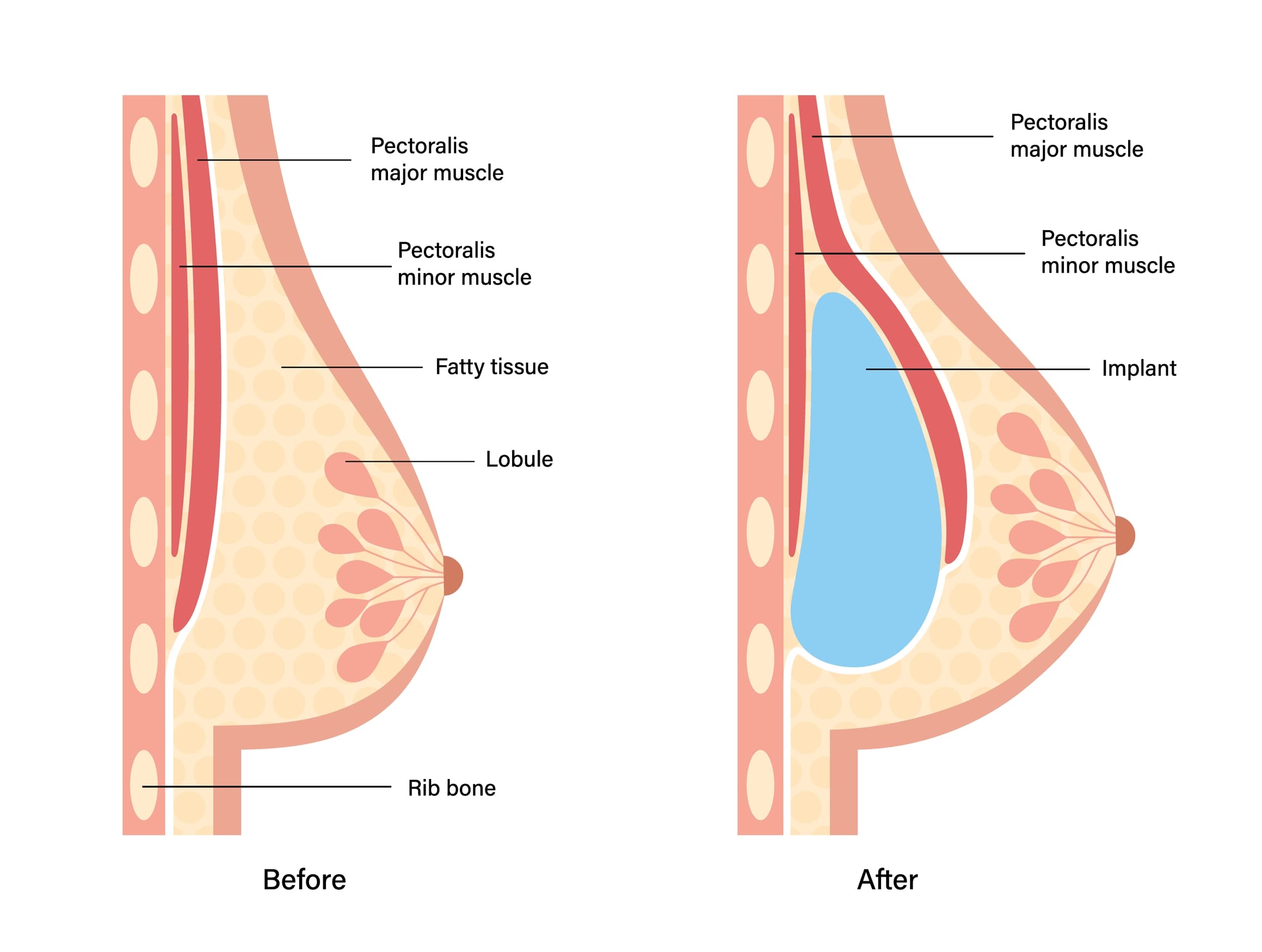
Subglandular (over the muscle) The implant is placed behind the breast tissue but above the chest muscle. This method often allows for a quicker recovery but may be less natural in appearance for some body types.
Submuscular (under the muscle) The implant is placed beneath the chest muscle. This option reduces the risk of visible edges or rippling and may offer a more natural slope.
Based on Incision Location
Inframammary (under the breast fold) Offers direct access and is commonly used for precise placement.
Periareolar (around the nipple) Suitable for patients with darker areolas, as it helps hide scarring.
Transaxillary (through the armpit) Avoids breast scars but may limit implant size or placement control.
Step-by-Step Process of Breast Implant Revision Surgery
Breast revision surgery follows a carefully planned sequence to address concerns like implant rupture, shifting, or cosmetic dissatisfaction. Though each procedure is personalized, the general steps remain consistent across most cases.
Before Surgery
Consultation and planning A detailed discussion takes place with the plastic surgeon to understand goals, evaluate the current implants, and choose the right approach. Imaging may be done to check for ruptures or tissue damage.
Pre-surgical testing Blood tests, imaging (such as MRI or ultrasound), and sometimes an ECG are completed to ensure the patient is fit for anesthesia and surgery.
During the Procedure
Anesthesia General anesthesia is used to keep the patient asleep and pain-free throughout the operation.
Incision The surgeon makes an incision, typically along the original scar, to minimize new scarring. Common incision sites include under the breast fold, around the areola, or through the armpit.
Implant removal or adjustment The surgeon removes the old implants. If there is scar tissue (capsular contracture), it may be removed or released. New implants may be placed depending on the plan.
Tissue repair or reshaping If needed, the surgeon adjusts the breast pocket or supports the tissue using internal sutures or mesh. This helps improve position and shape.
Closure The incisions are closed with sutures, and surgical tape or bandages are applied to support healing.
After Surgery
Monitoring and recovery The patient is monitored in a recovery area before being discharged. Most can go home the same day with aftercare instructions and medications.
Each surgery lasts 1 to 3 hours, depending on complexity.
Potential Risks and Complications of Breast Implant Revision Surgery
Breast implant revision is generally safe under experienced care, but like all surgeries, it carries potential complications. Understanding the risks helps plan thoughtfully and know what to watch for during recovery.
Frequent Risks After Surgery
Hematoma or Seroma Complications may arise from bleeding or fluid gathering under the skin. A hematoma is a blood collection, while a seroma is clear fluid. Either might need drainage or additional procedures.
Infection Though uncommon, infections can occur at the incision site or implant pocket. Sometimes, implant removal may be necessary to resolve it.
Sensory Changes Sensation in the nipple or breast may temporarily increase or decrease, although in some cases, these changes can be long-lasting or permanent.
Scar and Healing Issues Some patients develop thick, raised, or poorly healed scars. Skin discoloration or delayed healing may occur.
Specific Implant-Related Concerns
Capsular Contracture Recurrence Scar tissue may tighten again around the implant, causing firmness, distortion, or discomfort. Even after revision, recurrence remains a risk.
Implant Rupture or Deflation Implants are not lifetime devices. Rupture rates rise with time; even silent leaks in silicone implants can occur and require surgery.
Asymmetry or Unsatisfactory Aesthetic Result Final breast shape, size, or position may differ slightly from expectations. Some patients require further revision to address unevenness.
Rare but Serious Risks
BIA‑ALCL or BIA‑SCC Rare cancers such as breast implant-associated anaplastic large-cell lymphoma (BIA‑ALCL) or squamous cell carcinoma (BIA‑SCC) can develop in scar tissue around implants. Risk is higher with textured implants.
Deep Vein Thrombosis and Anesthesia Complications Blood clots or reactions to anesthesia are rare but serious. Awareness of personal medical history helps minimize these risks.
Fat Necrosis (if fat grafting is combined) Tissue grafts may suffer cell death, forming hard lumps or cysts at injection sites.
Minimizing Risk: What Helps in Minimizing the Risks of Breast Revision
Choose a board‑certified plastic surgeon experienced in breast revision treatment.
Follow all pre‑ and post‑operative instructions carefully.
Attend regular follow‑ups and imaging checks to detect issues early.
A full understanding of these possibilities supports a shared decision‑making process. Risks are discussed in depth during consultation prior to signing consent forms.
Estimated Costs of Breast Implant Revision Surgery in India
Top 5 Countries – Revision Breast Implant Surgery Costs
Country
Cost Range (USD)
Cost Range (INR, ₹82/USD)
India
$680 – $1,830
₹56,000 – ₹1,50,000
USA
$4,200 – $18,000
₹3,44,000 – ₹14,76,000
Thailand
$3,050 – $10,404
₹2,50,000 – ₹8,55,000
Turkey
$683 – $7,250
₹56,000 – ₹5,94,000
Mexico
$3,560 – $4,640
₹2,92,000 – ₹3,80,000
Why Costs Differ
Standards and Oversight: Countries like the USA have stricter regulations and higher compliance costs.
Medical infrastructure and accreditation: JCI‑accredited centers (e.g., in Thailand) maintain international standards.
Full-service packages: Places like Turkey or Mexico often bundle care elements to attract international patients.
Who Should Not Undergo Breast Implant Revision Surgery
Patients must meet specific health and mental criteria before undertaking breast revision treatment. In some situations, the procedure may not be advised due to increased risk or unlikely improvement in outcomes.
Medical and Infection Risk Factors
Active infection anywhere in the body, including the breast, is a definite barrier. Surgery would amplify the risk of widespread complications.
Untreated breast cancer or pre-cancer disqualifies revision until after proper treatment. Any malignancy must be effectively resolved before proceeding.
Recent pregnancy or current breastfeeding makes timing unwise, as breast tissue changes may compromise results and healing.
Previous or recent radiation therapy to the chest area can weaken the skin and underlying tissues. This increases the risk of poor wound healing, infection, and implant complications such as capsular contracture or rejection.
Systemic Health Conditions
Uncontrolled chronic illness, such as diabetes, autoimmune disease, or cardiovascular disorders, can impair healing and elevate risk. Surgery should be deferred until the patient is stable.
Smoking significantly increases the risk of complications in implant-based breast surgery. Research shows smokers have twice the rate of wound healing failure and surgical-site infections compared to non-smokers (2.4% versus 1.3%). Quitting at least 3 weeks before surgery significantly improves healing and complication rates, approaching those of non-smokers.
Summary Table of Contraindications
Factor
Why It Matters
Active infection or untreated malignancy
Increases risk of infection or may interfere with ongoing cancer treatment
Uncontrolled chronic illness
Raises chances of poor healing and complications during or after surgery
Heavy smoking
Limits blood flow and slows down the healing process
Untreated psychological issues
May lead to unrealistic expectations and dissatisfaction
Weak or inadequate breast tissues
May not provide enough support for successful revision
Post-Breast Revision Surgery Recovery Tips and Precautions
Immediate Care and Monitoring After the procedure, patients are usually monitored in the recovery room before being discharged. Expect some swelling, bruising, and mild discomfort. Pain medication may be prescribed for the initial days.
Wound Care Keep the surgical site clean and dry. It is important to follow the surgeon’s instructions regarding dressing changes and wound cleaning. Avoid applying creams or lotions unless specifically advised.
Activity Restrictions
Avoid strenuous activity, lifting, or bending for at least 4–6 weeks.
Light walking is encouraged to reduce the risk of blood clots.
Driving should be postponed until pain medications are stopped and mobility is fully restored
Garments and Support Wear a surgical bra or compression garment as directed. These provide support, reduce swelling, and help in proper healing.
Sleep Position Sleep on your back with your upper body elevated for the first few weeks. This helps reduce swelling and pressure on the chest.
Watch for Complications Report any signs of infection, severe pain, excessive swelling, or discharge to your doctor immediately. Regular follow-up visits help track healing and catch issues early.
Lifestyle Precautions
Avoid smoking, as it delays healing.
Limit alcohol intake during the recovery period.
Eat protein-rich foods (eggs, dairy, legumes), vitamin C sources (citrus, peppers), and zinc-rich items (nuts, grains) to support healing. Stay hydrated.
Breast revision treatment is a significant personal decision that involves both medical and emotional considerations. From understanding different surgical techniques to identifying potential risks, it is vital to be informed about every step of the process. Knowing who an ideal candidate is, the possible complications, and the global cost variations helps set realistic expectations. While India offers more affordable options, top medical tourism destinations like the U.S., Thailand, and South Korea cater to those seeking advanced care.
Before choosing any option, consult with a board-certified surgeon and review verified sources. Recovery, safety, and long-term care should always be priorities.
Consulting a specialist ensures safe, personalized care aligned with one’s health and goals.
FAQs
What long-term surveillance is recommended after breast implant revision?
Routine follow-up is key to ensuring implant safety over time. Most surgeons recommend:
MRI or ultrasound scans every 5–6 years for silicone implants to check for silent ruptures
Mammograms or ultrasounds as per age and risk factors
Annual physical exams to monitor for changes in breast shape, firmness, or pain
Are there non-surgical options for minor implant issues?
Yes. Early capsular contracture or minor asymmetry may respond to massage, physiotherapy, or external compression. These methods may delay surgery, but don’t offer lasting correction for structural concerns.
Do implant warranties affect revision costs?
Yes. Most manufacturers cover free implant replacement for rupture and sometimes capsular contracture. Some offer financial aid for surgical costs. However, surgeon, anesthesia, and facility fees are usually not included and should be confirmed in advance.
Does BMI or breast tissue thickness impact outcomes?
Yes. Higher BMI increases the risk of malposition, while thinner patients may face rippling or visible implant edges. These factors guide implant type, size, and placement for better aesthetic results and long-term success.
Can combining revision with other procedures reduce cost or recovery time?
Combining surgeries like lifts or fat grafting with implant revision can lower total costs and reduce downtime. However, this depends on overall health, goals, and surgical complexity. Your surgeon will decide if it’s a safe and effective option.
How do regulations and accreditation of clinics in different countries affect revision surgery safety and quality?
When considering surgery abroad, look for clinics certified by:
JCI (Joint Commission International)
NABH (India) or ASPS (USA)
These bodies ensure hygiene, qualified surgeons, and proper emergency care. Accredited clinics tend to have better safety records. Patients should also verify the surgeon’s board certification and experience in revision procedures.
What new implant types or materials are now available for revision surgery?
Modern options include:
“Gummy bear” implants: Form-stable silicone with less leakage risk
Adjustable saline implants (e.g., IDEAL): Volume can be adjusted after surgery
Acellular dermal matrix (ADM) or internal mesh: Adds support for weak tissue
These may be helpful in correcting rippling, bottoming out, or asymmetry. Ask your surgeon if these options fit your revision plan.
What post-op care improves healing?
Clean the incision as instructed and attend all follow-ups. Avoid vigorous movement, sleep on your back, and wear compression garments. Supportive care, including proper hydration and rest, also promotes recovery.
What dietary habits support recovery after breast implant revision?
A protein-rich diet aids tissue repair. Include lean meats, legumes, and dairy. Also, add vitamin C (citrus fruits, peppers), zinc (nuts, seeds), and hydration. Avoid processed food and excess salt to minimize swelling.
Is professional consultation important before deciding on revision surgery?
Yes. A qualified plastic surgeon can assess the risks, guide the decision, and tailor the procedure to your health and aesthetic goals. Personalized evaluation ensures safer outcomes and better satisfaction.