Select City

Call Us
Book FREE Appointment
Bariatric surgery, commonly known as weight-loss surgery, offers a powerful solution for individuals who have struggled to lose weight through diet, exercise, or medications. It is more than a cosmetic procedure; it is a life-changing treatment that can significantly reduce the risk of diseases such as type 2 diabetes, heart disease, hypertension, sleep apnea, and even some cancers.
Bariatric surgery, commonly known as weight-loss surgery, offers a powerful solution for individuals ... who have struggled to lose weight through diet, exercise, or medications. It is more than a cosmetic procedure; it is a life-changing treatment that can significantly reduce the risk of diseases such as type 2 diabetes, heart disease, hypertension, sleep apnea, and even some cancers. Read More



3M+
Happy Patients
50+
Disease
200+
Hospitals
30+
Cities

Free Cab Facility

No-Cost EMI

Support in Insurance Claim

1-day Hospitalization

USFDA-Approved Procedure
Choose Your City
It help us to find the best doctors near you.

Ahmedabad
Bangalore
Chennai
Delhi
Hyderabad
Kochi
Pune
Delhi
Hyderabad
Pune
Mumbai
Bangalore
 Doctor Not Found
5.0/5
23+ Years Experience
 Plot No 13, KH Ara Marg, In front of Kendriya Vihar, Sector 56, Gurugram, Haryana 122011
4.5/5
24+ Years Experience
1st floor, No Z/281, 5th Ave, beside St Lukes church, Y Block, Anna Nagar, Chennai, Greater Chennai, Tamil Nadu 600040
4.5/5
15+ Years Experience
Bengaluru, Karnataka 560062
5.0/5
13+ Years Experience
First floor, Plot no 1213, Swamy Ayyappa Society, Mega Hills, Madhapur, Hyderabad, Telangana 500081
Bariatric surgery refers to a weight loss treatment that includes a group of surgical procedures designed to help people lose weight by making changes to their digestive system. These procedures either reduce the size of the stomach or change how the body absorbs food.
It is typically considered for individuals who:
Bariatric surgery is not a quick fix. It requires long-term lifestyle changes, including a strict diet, exercise, and regular medical follow-ups.
Free Bariatric Surgery Cost Calculator
Fill details to get actual cost
Bariatric surgery is not a one-size-fits-all weight loss treatment. Different people may benefit from different procedures depending on their health condition, body mass index (BMI), and lifestyle. Each type of surgery changes the way the digestive system handles food, either by limiting how much a person can eat, how nutrients are absorbed, or both. This section explores the most commonly performed gastric surgery types; what they are, how they work, and why someone might choose one over another.
Gastric Bypass Surgery is one of the most established and widely performed bariatric procedures around the world. It works by creating a small pouch from the stomach and connecting it directly to the small intestine. In this gastric bypass surgery, a large portion of the stomach and part of the intestine are removed, leading to reduced calorie absorption and a feeling of fullness after eating a small amount.
Key Features and Benefits of Gastric Bypass Surgery:
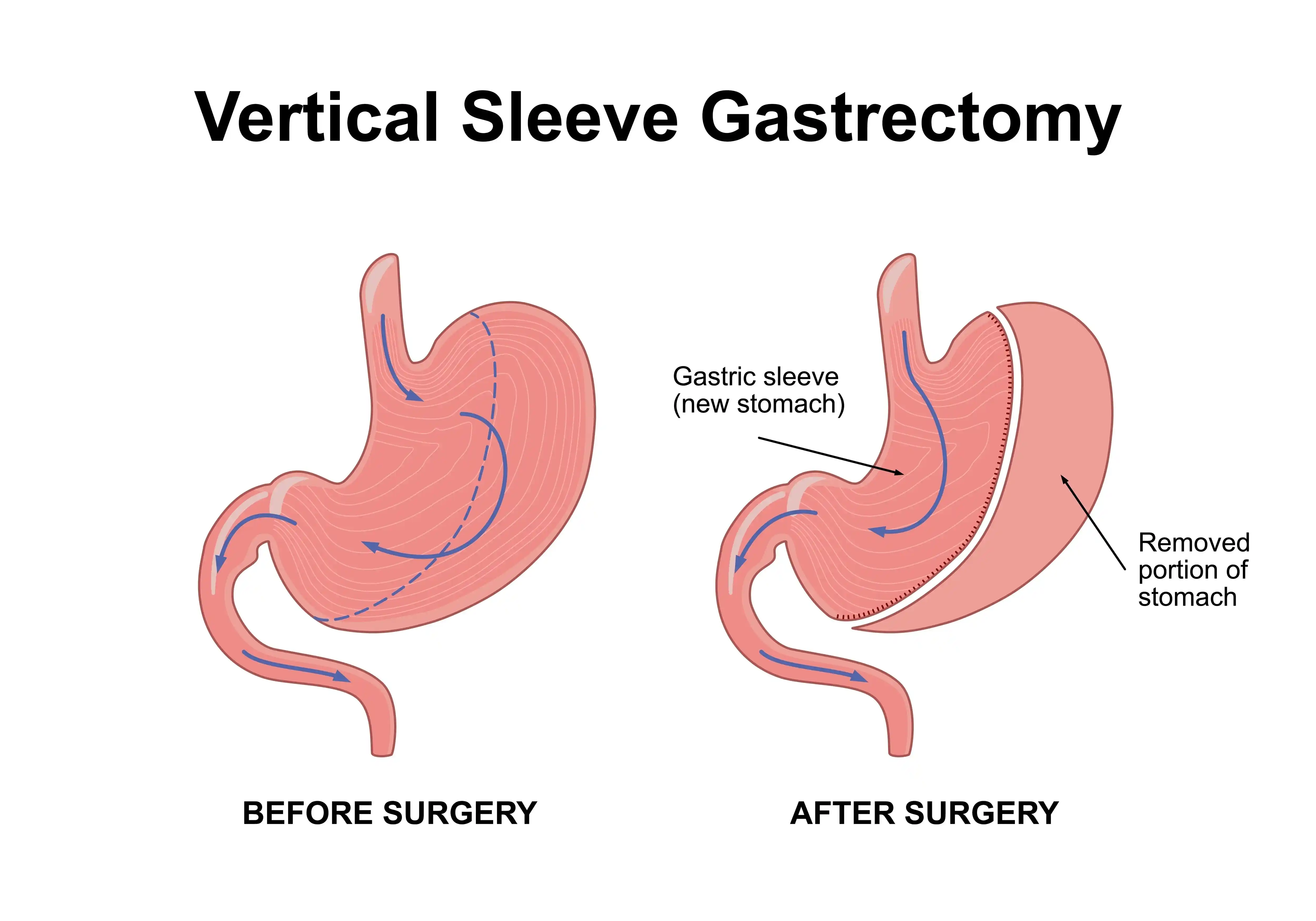
Sleeve Gastrectomy is one of the gastric surgery types that involves removing about three-quarters of the stomach. What’s left behind is a narrow, sleeve-like structure. This procedure does not divert intestines like gastric bypass. It decreases levels of hunger-stimulating hormones such as ghrelin and assists in restricting food consumption.
Key features and benefits:
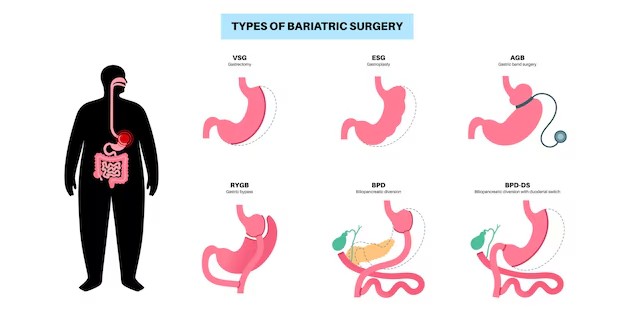
In this procedure, a silicone band is placed around the upper part of the stomach. It creates a small pouch that limits how much food a person can eat at once. The tightness of the band can be adjusted over time by injecting or removing saline through a port placed under the skin.
Key Features and Benefits of Adjustable Gastric Banding:
This is a more complex gastric bypass surgery that combines two major steps: first, a sleeve gastrectomy is performed; then the small intestine is divided and rerouted. This drastically reduces calorie and nutrient absorption. BPD/DS is often reserved for patients with severe obesity or those who have not succeeded with other surgeries.
Key Features and Benefits of Biliopancreatic Diversion with Duodenal Switch:
Each of these surgeries has its own role depending on patient health, weight goals, and medical conditions. Choosing the right one involves careful consultation with a bariatric surgeon and a detailed understanding of the risks and benefits.
When considering gastric bypass surgery, it’s important to understand that not all procedures are the same. Each type of surgery offers a different level of weight loss, recovery time, and risk. While all aim to help patients lose excess weight and manage related health issues, they work in slightly different ways. The gastric surgery types comparison will give a clearer view of how procedures like Gastric Bypass, Sleeve Gastrectomy, Adjustable Gastric Band, and BPD/DS differ in effectiveness, safety, and long-term results.
Here’s a quick comparison of the most common types of gastric surgery types:
| Surgery Type | Weight Loss (after 1 year) | Hospital Stay | Risk Level | Reversible |
| Gastric Bypass | 70% of excess weight | 2–3 days | Moderate | No |
| Sleeve Gastrectomy | 60% of excess weight | 1–2 days | Low | No |
| Adjustable Gastric Band | 40% of excess weight | 1 day | Low | Yes |
| BPD/DS | 70–90% of excess weight | 3–4 days | High | No |
Preparing for bariatric surgery is a vital part of the weight loss journey. It sets the stage for a smoother surgery, reduces complications, and improves long-term outcomes. This stage can begin weeks or even months before the actual procedure, depending on one’s health condition and the type of surgery planned. Here is a detailed look at what’s involved in getting ready for the weight loss surgery:
One has to undergo a thorough health check to confirm that they are fit for gastric bypass surgery. This usually includes:
Any existing conditions, such as type 2 diabetes, high blood pressure, PCOS, or obstructive sleep apnoea, need to be brought under control before surgery. In some cases, a specialist team (e.g., endocrinologist, cardiologist, pulmonologist) may be involved.
Working with a registered dietitian is essential. A personalised bariatric meal plan is provided that helps to:
Newer protocols also involve body composition analysis (via DEXA scans or bioimpedance) to track lean mass and fat loss more accurately before and after surgery.
Mental readiness is as important as physical preparation. The patient may be referred to a clinical psychologist for:
This step helps lower the chances of post-operative regret, food addiction relapse, or unrealistic expectations.
Certain habits must be addressed before undergoing bariatric surgery:
Newer tools like wearable activity trackers and app-based nutrition logs are now widely used by bariatric teams to guide the progress.
A few weeks before surgery, the surgeon provides detailed instructions that include:
Some hospitals also use Enhanced Recovery After Surgery (ERAS) protocols. These include carb-loading drinks before surgery, minimal fasting periods, and early mobilisation after surgery to reduce hospital stay and boost healing.

 The patient arrives at the hospital on the scheduled day of surgery.
Registration and admission formalities are completed.
Vital signs such as blood pressure, pulse, temperature, and oxygen levels are checked.
Pre-operative investigations, including blood tests, imaging reports, and medical evaluations, are reviewed.
The patient arrives at the hospital on the scheduled day of surgery.
Registration and admission formalities are completed.
Vital signs such as blood pressure, pulse, temperature, and oxygen levels are checked.
Pre-operative investigations, including blood tests, imaging reports, and medical evaluations, are reviewed.
 The bariatric surgeon reviews the patient's weight history, BMI, medical conditions, and surgical plan.
The anesthetist performs a final pre-anesthesia assessment.
Consent forms are signed after discussing the procedure, benefits, and possible risks.
The abdomen is cleaned and prepared for surgery.
An IV line is started for fluids, antibiotics, and medications.
Compression stockings or other preventive measures may be used to reduce the risk of blood clots.
The bariatric surgeon reviews the patient's weight history, BMI, medical conditions, and surgical plan.
The anesthetist performs a final pre-anesthesia assessment.
Consent forms are signed after discussing the procedure, benefits, and possible risks.
The abdomen is cleaned and prepared for surgery.
An IV line is started for fluids, antibiotics, and medications.
Compression stockings or other preventive measures may be used to reduce the risk of blood clots.
 The patient is taken to the operation theatre.
General anesthesia is administered to ensure a pain-free procedure.
The patient remains asleep and comfortable throughout the surgery.
The patient is taken to the operation theatre.
General anesthesia is administered to ensure a pain-free procedure.
The patient remains asleep and comfortable throughout the surgery.
 The surgeon performs the selected bariatric procedure based on the patient's health goals, such as sleeve gastrectomy, gastric bypass, or another weight-loss surgery.
In sleeve gastrectomy, a large portion of the stomach is removed to create a smaller tube-shaped stomach.
In gastric bypass, the stomach and small intestine are rearranged to reduce food intake and calorie absorption.
The surgery is usually performed using minimally invasive laparoscopic techniques through small abdominal incisions.
The surgeon checks for leaks, bleeding, and proper functioning of the digestive system.
The small incisions are closed with sutures or surgical glue, and dressings are applied.
The surgeon performs the selected bariatric procedure based on the patient's health goals, such as sleeve gastrectomy, gastric bypass, or another weight-loss surgery.
In sleeve gastrectomy, a large portion of the stomach is removed to create a smaller tube-shaped stomach.
In gastric bypass, the stomach and small intestine are rearranged to reduce food intake and calorie absorption.
The surgery is usually performed using minimally invasive laparoscopic techniques through small abdominal incisions.
The surgeon checks for leaks, bleeding, and proper functioning of the digestive system.
The small incisions are closed with sutures or surgical glue, and dressings are applied.
 The patient is shifted to the recovery room for close monitoring.
Nurses monitor blood pressure, pulse, oxygen levels, pain control, and breathing.
IV fluids and medications are continued as required.
The patient is encouraged to start gentle movement as advised to reduce complications.
The patient is shifted to the recovery room for close monitoring.
Nurses monitor blood pressure, pulse, oxygen levels, pain control, and breathing.
IV fluids and medications are continued as required.
The patient is encouraged to start gentle movement as advised to reduce complications.
 Most patients are discharged within 2–4 days after bariatric surgery, depending on recovery.
Pain relief medicines and nutritional supplements are prescribed.
Detailed instructions regarding diet progression, wound care, physical activity, and lifestyle changes are explained.
The patient follows a structured diet plan, gradually moving from liquids to soft foods and then regular meals as advised.
Regular follow-up appointments are scheduled to monitor weight loss, nutritional status, and overall health improvement.
Most patients are discharged within 2–4 days after bariatric surgery, depending on recovery.
Pain relief medicines and nutritional supplements are prescribed.
Detailed instructions regarding diet progression, wound care, physical activity, and lifestyle changes are explained.
The patient follows a structured diet plan, gradually moving from liquids to soft foods and then regular meals as advised.
Regular follow-up appointments are scheduled to monitor weight loss, nutritional status, and overall health improvement.

Diet & Lifestyle Consultation

Post-Surgery Recovery Follow up

Free Cab Facility

24*7 Patient Support
Bariatric surgery is a powerful tool for weight loss and health improvement, but like any major procedure, it comes with certain risks and potential complications. Understanding these issues in advance helps patients make informed choices and prepare for better recovery.
These complications occur soon after the operation and are typically linked to the surgical procedure itself or the recovery period. While most patients recover without problems, these issues may arise:
Internal bleeding may occur at the surgical site, especially in the first 24–48 hours. Symptoms include dizziness, low blood pressure, and visible blood in drains or vomit.
Infections at incision sites or inside the abdomen (abscesses) are possible. Signs include redness, fever, pus discharge, and pain at the site.
The risk of DVT is higher after major surgeries. If a blood clot travels to the lungs (pulmonary embolism), it can be life-threatening. Early movement, compression stockings, and medications are used to reduce this risk.
This happens when a connection made between the stomach and intestine leaks digestive juices. Though rare (0.5–2% of cases), it is serious and may require immediate surgery.
Due to the reduced stomach size, overeating or poor food choices can cause vomiting, especially in the early post-op weeks.
This is common after gastric bypass. It occurs when sugary or high-fat food moves too quickly into the small intestine, causing nausea, cramps, diarrhoea, and dizziness.
While bariatric surgery has many long-term benefits, certain complications may develop over time. These are often linked to nutrient absorption, lifestyle habits, or anatomical changes.
Due to reduced food intake and absorption, the body may lack essential nutrients like:
| Nutrient Deficiency | Common Symptoms |
| Iron | Fatigue, pale skin, weakness |
| Vitamin B12 | Numbness, memory problems |
| Calcium & Vitamin D | Bone pain, brittle bones |
| Folate | Anaemia, mood issues |
| Protein | Hair loss, muscle wasting |
Lifelong vitamin and mineral supplements are required to prevent these issues.
Rapid weight loss can lead to gallstone formation, which may cause pain, nausea, or even require gallbladder removal surgery.
Internal or incisional hernias (bulges of organs or tissue) may appear at surgical sites and might need repair.
Narrowing of the digestive tract can happen after surgeries like gastric bypass or sleeve gastrectomy. It can make eating difficult and may require a procedure to stretch or correct the narrowing.
While surgery reduces stomach size or food , it doesn’t stop old eating habits. Emotional eating, lack of exercise, or poor food choices may lead to partial weight regain, especially 2–5 years after surgery.
Some patients experience:
Mental health support, counselling, and therapy are strongly recommended.
Women are usually advised to wait 12–18 months after surgery before becoming pregnant. This ensures weight stabilisation and avoids risks to the mother and baby from malnutrition.
After certain surgeries like Roux-en-Y Gastric Bypass, alcohol is absorbed faster and more strongly. Patients are usually advised to avoid or limit alcohol post-surgery.
| Complication | Approximate Risk |
| Death (within 30 days) | Less than 0.3% |
| Major complications (short-term) | 17% |
| Anastomotic leak | 0.8–1.5% |
| Nutritional deficiencies | Up to 35% without supplements |
| Gallstones after rapid weight loss | 10.4–52.8% |
| Weight regain (partially) | 20–30% within 5 years |
Weight loss is only one of the many health benefits of bariatric surgery. Numerous studies have shown that patients undergoing these procedures can experience:
In fact, one long-term study published in the New England Journal of Medicine found that patients who underwent bariatric surgery had a 40% lower risk of death over ten years compared to those who did not.
The bariatric surgery cost can vary based on the city, hospital, and type of procedure.
| Type of Surgery | Approximate Cost (INR) |
| Gastric Bypass | ₹3,00,000 – ₹5,00,000 |
| Sleeve Gastrectomy | ₹2,50,000 – ₹4,50,000 |
| Adjustable Gastric Band | ₹2,00,000 – ₹3,50,000 |
| BPD/DS | ₹4,00,000 – ₹6,00,000 |
Some insurance companies in India now cover bariatric surgery if deemed medically necessary. Patients should consult their insurer and healthcare provider for eligibility.
While bariatric surgery is a highly effective treatment for obesity and related health conditions, it is not appropriate for all individuals. The procedure is generally not recommended for those who:
For individuals who fall into these categories, non-surgical weight management approaches such as medically supervised weight loss programs, behavioural therapy, or pharmacological treatments may offer safer and more suitable alternatives.
Bariatric surgery is a medically recognised treatment for individuals with severe obesity and related health complications. Although it is not a cure-all, it has demonstrated effectiveness in improving physical health, enhancing quality of life, and supporting sustained weight loss when combined with appropriate follow-up care.
For individuals who have not achieved adequate results through conventional weight loss methods, consulting a qualified bariatric surgeon can help determine whether bariatric surgery is a clinically appropriate option. Consult a Pristyn Care specialist to assist you in understanding your treatment choices.
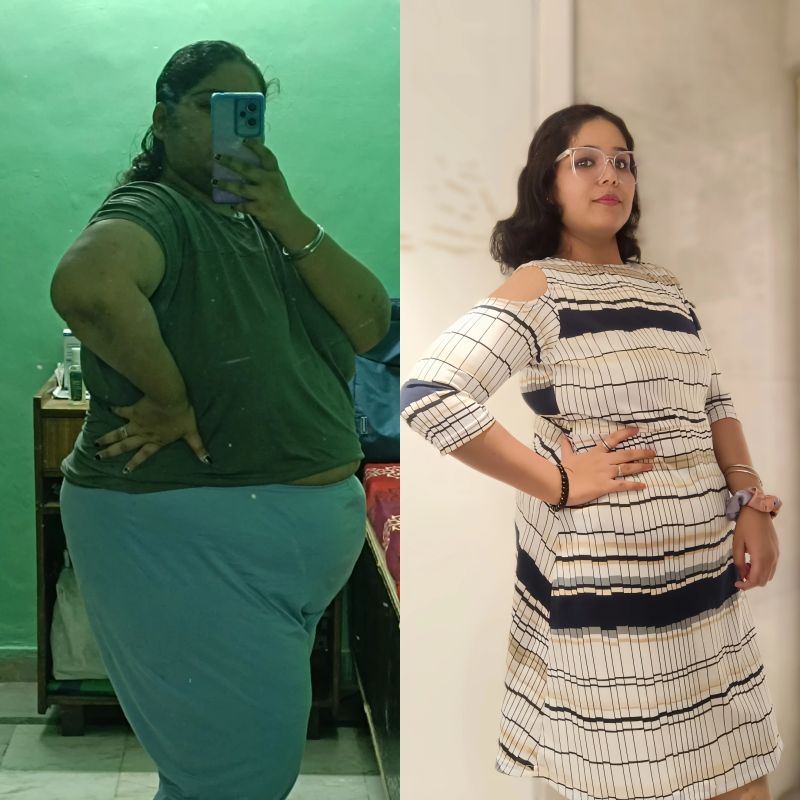
Jasleen began her journey with Pristyn Care feeling anxious but hopeful. Her consultant, Khushi, guided her every step managing insurance, appointments, and all formalities so she could focus on recovery stress-free.
Under the care of Pristyn Care, Jasleen underwent surgery with confidence. His reassuring nature and expertise made the experience smooth and comforting. Post-surgery, the dietitian, supported her with regular diet guidance and motivation.
From 135 kg to 88 kg, Jasleen’s transformation is a story of determination and care. She continues her journey, grateful for the constant support and compassion shown by the entire Pristyn Care team.
Procedures like gastric bypass and sleeve gastrectomy are permanent. Gastric banding is reversible, though reversals are uncommon and typically done only for medical reasons.
Yes, for some individuals, prescription weight loss injections may be an alternative to bariatric procedures, depending on factors such as BMI, overall health, weight loss goals, and obesity-related medical conditions. Medications such as Wegovy, Mounjaro, and Ozempic can help promote weight loss by reducing appetite and increasing feelings of fullness. However, these treatments may not be suitable for everyone, and people with severe obesity or significant obesity-related health conditions may benefit more from bariatric surgery or an intragastric balloon procedure. A consultation with a bariatric specialist can help determine the most appropriate treatment based on your individual needs.
Read more about Wegovy for Weight Loss.
Read more about Mounjaro for Weight Loss.
Read more about Ozempic for Weight Loss.
Recent innovations in bariatric surgery include non-invasive options like endoscopic sleeve gastroplasty and precision-based robotic-assisted procedures. Enhanced Recovery After Surgery (ERAS) protocols and AI-driven tools are also improving outcomes and reducing recovery time.
Travelling is generally safe after the initial recovery period, but long-distance travel should be avoided in the first few weeks. Carry medical records and follow dietary guidance while travelling.
Some patients opt for body contouring surgery after significant weight loss to address excess skin. This is a decision on an individual basis and not on a medical need.
Most people resume light work 2 to 4 weeks post-surgery, varying with the type of procedure and healing rate. Always follow the surgeon’s advice.
Yes, but any subsequent surgery will need to take into account variations in anatomy and nutritional status. Always tell your healthcare team about your history of bariatric surgery at the time of preoperative planning.
The decision regarding the most appropriate bariatric procedure depends on a variety of factors such as body mass index (BMI), pre-existing medical conditions, lifestyle factors, and desired weight loss. A thorough medical assessment determines the best surgical option.
Yes, in particular instances, revision surgery can be needed because of complications or inadequate weight loss. Whether a second procedure is necessary is based on individual clinical judgment and surgical experience.
Hunger usually decreases after surgery, especially with procedures that reduce hunger hormones like sleeve gastrectomy or gastric bypass.



 SG
SG
Shivaji Gurav, 50 Yrs

 Recommends
Recommends
Its been a year since my bariatric surgery done by dr. shashank shah in pune. I cant even explain how much reliefed i am right now after loosing weight. at 90 kg at the moment. dropped from 120kg last year
.svg) PN
PN
Pamdari Narendar, 32 Yrs
Recommends
Recommends
it was very good treatment procedure from the start to the end. Staff of Dr shashank shah is very helpful. Really belived that this obesity will take my life. but after treatment it looks a hope for my pain.
.svg) SU
SU
Subrat, 52 Yrs
Recommends
Recommends
I had done my obesity treatment. Its was good.
VS
Vandana Sharma, 25 Yrs
Recommends
Recommends
I was very fat due to some hormones or what so ever reason. i cannot explain the pain i had in my legs due to overweight body. Thanks to dr. shashank shah. After surgery i am feeling more confident and light weight. my urge to over eat food has also resolved in it.
MS
Mihil Sharma, 25 Yrs
Recommends
Recommends
My over weight surgery went really good and smooth. Didnt have any issue aftewr surgery. Dr shashank was exceptional in explaining so complicated things in such layman terms.
TA
Tajinder Arora, 36 Yrs
Recommends
Recommends
My weight loss treatment started a 1.5 month ago with all the diets and medications. I can't believe on seeing the results. Highly recommended yaar.
.svg)
Avail FREE Doctor Consultation

Consult with our expert surgeon for more than 50+ diseases

Once you share your details, our care coordinator will get in touch with you.

The coordinator will understand your symptoms and health condition in detail.

Your consultation will be scheduled at the earliest.
3M +
Happy Patients
150 +
Clinics
30 +
Cities

120Cr—Patient Savings Delivered
so patients focus on recovery, not bills.

Complete Transparency
No hidden charges or surprise bills

End-to-End Insurance Handling
Complete insurance processing support

Up to 20% Savings on Every Surgery
powered by smarter insurance handling

Easy EMI Options
Flexible payment plans available
120Cr—Patient Savings Delivered
so patients focus on recovery, not bills.
Complete Transparency
No hidden charges or surprise bills
Your Form Has Been Submitted Successfully.
Our care coordinator will call you shortly.


Book Your FREE Consultation
Consult with our expert surgeon for more than 50+ diseases
Once you share your details, our care coordinator will get in touch with you.
The coordinator will understand your symptoms and health condition in detail.
Your consultation will be scheduled at the earliest.
3M +
Happy Patients
150 +
Clinics
30 +
Cities