disease
Pristyn Care Logo
Select City Sidebar Icon
Select City
Pristyn Care Logo
Select city location icon
Select City
uterine-fibroid
phone icon in white color

Call Us

Book FREE Appointment

Uterine Fibroids: Causes, Symptoms, and Treatment
Home  >  Gynaecology  > Uterine Fibroids

Uterine Fibroids: Causes, Symptoms, and Treatment

Uterine fibroids are benign (non-cancerous) tumors that develop in or around the uterus. Don’t let the complications of fibroids interfere with your quality of life. Timely diagnosis and comprehensive medical care can help you manage your reproductive health. Consult experienced gynaecologists and get advanced effective solutions to get rid of uterine fibroids.

Uterine fibroids are benign (non-cancerous) tumors that develop in or around the uterus. Don’t let the complications of fibroids interfere with your quality of ... life. Timely diagnosis and comprehensive medical care can help you manage your reproductive health. Consult experienced gynaecologists and get advanced effective solutions to get rid of uterine fibroids. Read More

anup_soni_banner
💯 No Booking Fees
Book FREE Doctor Appointment
Close popup icon
cost calculator
Gynecologist image
Name
i
i
Phone
+91
i
City
i
Call Us
Call icon

To confirm your details, please enter OTP sent to you on *

i

3 M+

Happy Patients

50+

Disease

200+

Hospitals

30+

Cities

About TreatmentCostOur DoctorsInsuranceRecovery
What are Uterine Fibroids?
Types of Uterine Fibroids
Uterine Fibroid Symptoms
Causes and Risk Factors
Diagnosis of Uterine Fibroids
Complications of Large Uterine Fibroid
Clinical Impacts of Multiple Uterine Fibroids
Uterine Fibroids Treatment Options
Surgical Treatment For Fibroids
Fibroids and Pregnancy
Prevention and Lifestyle Factors
Complications of Untreated Fibroids
Recovery and Follow-up Care
When to Seek Medical Attention

What are Uterine Fibroids?

Uterine fibroids are non-cancerous growths made of smooth muscle cells and fibrous tissue. They develop from the myometrium, which is the thick muscle layer of the uterine wall that causes contractions. These growths can appear as single nodules or in clusters, and they can vary in size.
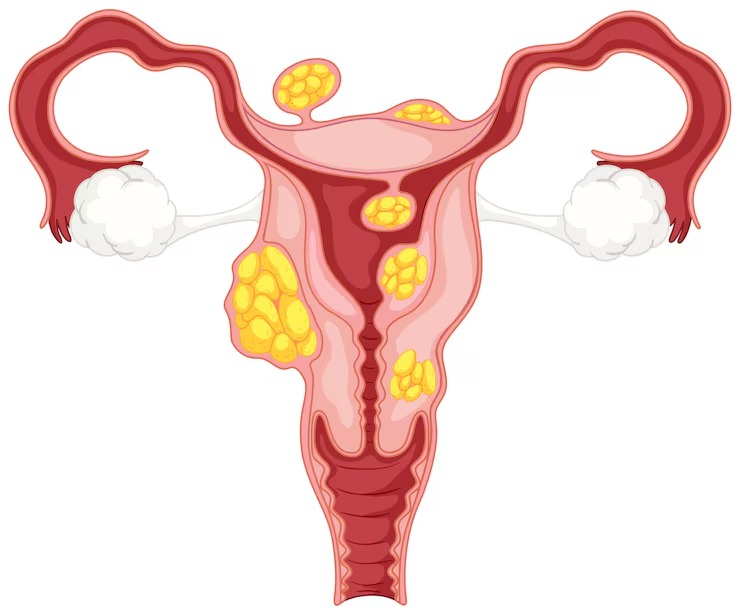
 An image of a diagram showing fibroid size variations inside the uterus

Hormonal changes, especially oestrogen and progesterone determine the growth of uterine fibroids. This is why fibroids often grow during the reproductive years and may shrink after menopause. Fibroids are usually dense and firm, creating solid masses that can change the shape of the uterus based on their size and location. Some remain small and asymptomatic, while others grow rapidly and cause noticeable discomfort or complications.

Types of Uterine Fibroids

Uterine fibroids are classified on the basis of their location in the uterus and adjacent organs. The classification helps gynecologists in identifying the best diagnostic procedures and uterine fibroids management interventions.
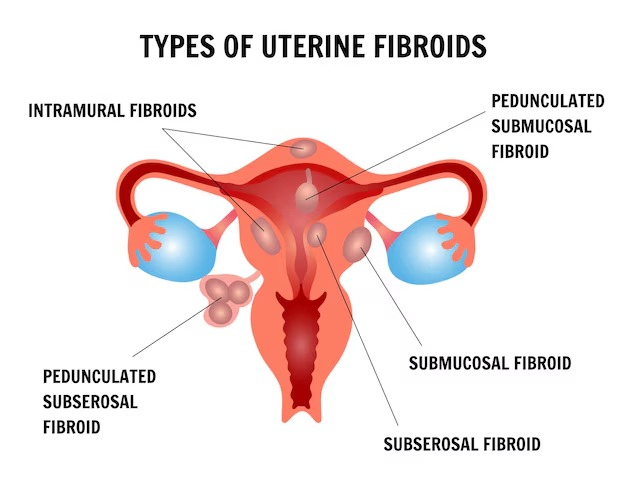
An image of a visual representation of common types of uterine fibroids

  1. Intramural fibroids: Grow within the muscular wall of the uterus and are the most common type. They may cause pelvic discomfort, pressure, or heavy periods, depending on size.
  2. Subserosal fibroids: Extend outward from the uterine wall into the abdominal cavity. They often grow large without affecting menstrual flow but may cause bloating or pressure on nearby organs.
  3. Submucosal fibroids: Develop just beneath the uterine lining and protrude into the uterine cavity. Even small ones can lead to significant bleeding and affect fertility.
  4. Pedunculated fibroids: Attached to the uterus by a thin stalk and can grow either inside the uterine cavity or outside the uterus, sometimes twisting and causing severe pain

cost calculator

Uterine Fibroids Surgery Cost Calculator

Fill details to get actual cost

i
+91
i
i

To confirm your details, please enter OTP sent to you on *

i

Uterine Fibroid Symptoms

Many people with small fibroids don’t show any symptom at all, which is why these growths often go undiagnosed for years. However, larger fibroids or those in certain locations cause significant discomfort and health complications. Uterine fibroid symptoms develop gradually over months or years and may worsen over time without appropriate medical intervention.

The symptoms of uterine fibroids are:


  • Heavy menstrual bleeding: Irregular, prolonged menstrual periods (longer than seven days) and excessive blood loss, which may cause iron deficiency anemia and fatigue. 
  • Pelvic pressure or pain: Persistent sensation of fullness or aching or sharp pains in the lower abdomen and pelvis that may increase during menstruation. 
  • Frequent urination: Increased need to urinate throughout the day and night due to pressure on the bladder from enlarged fibroids. 
  • Painful intercourse: Discomfort or sharp pain during sexual activity when fibroids are located near the cervix or compress the vaginal wall. 
  • Constipation: Chronic difficulty with bowel movements when large fibroids press against the rectum and interfere with normal intestinal function. 
  • Lower back pain: Persistent aching or sharp pain in the lower back caused by fibroids pressing on nerves or surrounding pelvic structures.

Causes and Risk Factors

The exact cause of uterine fibroids is still not known. However, several factors may increase the risk of developing them. Genetic background, hormonal influence, and certain lifestyle patterns are known to contribute to their growth. These factors continue to be the focus of ongoing research.


  • Hormones: Estrogen and progesterone stimulate fibroid growth throughout reproductive years, which explains why fibroids often shrink naturally after menopause when hormone levels decline. 
  • Family history: Having a mother, sister, or grandmother with fibroids increases the risk by two to three times compared to those without a family history. 
  • Obesity: Excess body weight leads to higher estrogen production in fat tissue, creating favorable conditions for fibroid development and growth. 
  • Early menstruation onset: Starting menstrual periods before age ten increases lifetime exposure to estrogen and progesterone, raising fibroid risk.
  • Vitamin D deficiency: Studies suggest that low vitamin D levels may contribute to fibroid formation, as vitamin D plays a role in regulating cell growth and reducing inflammation 
  • Race and ethnicity: African American women have a higher incidence of fibroids and tend to develop them at younger ages with more severe symptoms 
  • Age factors: Fibroids most commonly develop during reproductive years, with peak incidence occurring in the premenopausal age range

Diagnosis of Uterine Fibroids

Gynecologists use several diagnostic methods to detect and thoroughly evaluate uterine fibroids. Early and accurate diagnosis allows for better treatment planning and can prevent serious complications from developing. The diagnostic process normally entails:


  • Pelvic examination: Manual assessment on normal gynecological visits may reveal an increased, irregularly shaped uterus or a hard uterus, indicating the presence of a fibroid. 
  • Ultrasound: Transvaginal or abdominal ultrasound give high-resolution images detailing the size, number, and location of fibroids as well as the blood flow pattern within the masses. 
  • MRI: Magnetic resonance imaging provides the most detailed and complete picture of the fibroids, which is needed to plan surgery and make complex treatment decisions.
  • Hysteroscopy: Direct visualization of the uterine cavity using a thin, lighted scope inserted through the cervix to assess submucosal fibroids and their impact on the uterine lining. 
  • Saline sonohysterography: Injection of sterile saline solution into the uterus during ultrasound examination helps detect fibroids protruding into the uterine cavity. 
  • CT scan: Computed tomography may be used in specific cases to evaluate large fibroids and their relationship to surrounding organs and structures.

Complications of Large Uterine Fibroid

A large uterine fibroid(more than 5 centimeters in diameter), can cause major symptoms due to its size and the pressure it exerts on surrounding organs and tissues. These enlarged fibroids need more aggressive treatment methods and can have serious effects on activities of daily living, work productivity, and general quality of life. The challenges associated with large fibroids include:


  • Bladder compression: Severe pressure on the bladder leads to frequent urination, urgency, inability to empty completely, or urinary retention that needs medical treatment. 
  • Constipation: When the fibroids are large, they may squeeze against the colon and the rectum, resulting in chronic constipation, bloating, and severe digestive pain. 
  • Abdominal enlargement: Visible swelling or distension of the abdomen that may be mistaken for weight gain, pregnancy, or other abdominal masses. 
  • Breathing difficulty: Extremely large fibroids can push upward against the diaphragm, causing shortness of breath, especially when lying flat or during physical activity. 
  • Circulatory problems: Massive fibroids may compress blood vessels, potentially affecting circulation to the legs and increasing the risk of blood clots

Clinical Impacts of Multiple Uterine Fibroids

When several fibroids develop simultaneously within the same uterus, the condition becomes more complex to diagnose and manage effectively. Multiple uterine fibroids create overlapping symptoms that are more severe than those caused by single fibroids and require comprehensive, multifaceted treatment approaches.
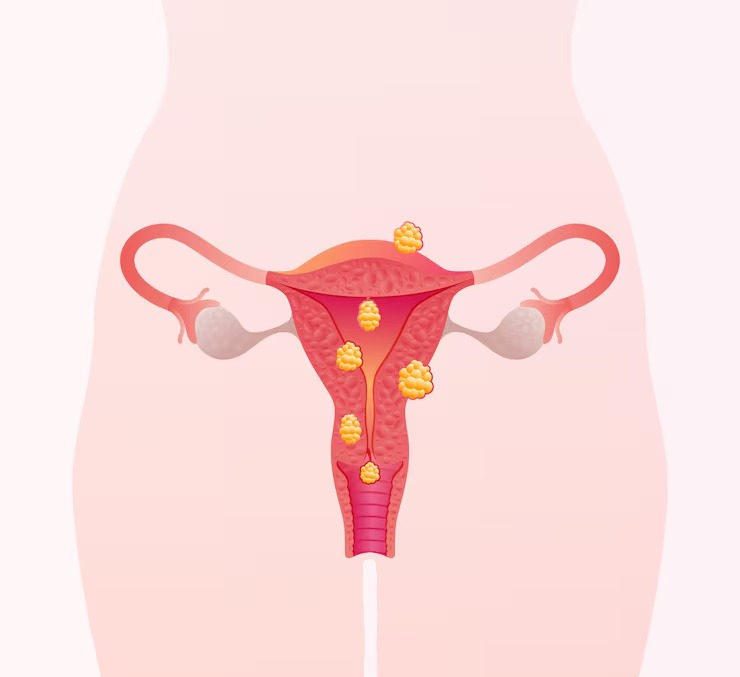
An image of an illustration of a uterus affected by a large fibroid mass.

The combination of several fibroids often leads to cumulative effects that dramatically impact reproductive health, such as:

  • Increased bleeding: The presence of several fibroids severely disrupts normal uterine contractions and significantly increases menstrual flow, often leading to severe anemia.
  • Uterine distortion: The normal shape and function of the uterus become altered, affecting fertility, menstruation patterns, and the ability to carry a pregnancy to term.
  • Longer surgery duration: Surgical removal becomes considerably more complex when dealing with several fibroids in different locations, requiring extended operating time and specialized techniques.
  • Diagnostic challenges: Multiple uterine fibroids may require advanced imaging techniques and careful mapping to identify all locations accurately before treatment planning.
  • Symptom complexity: Overlapping symptoms from different fibroid locations can make it difficult to determine which fibroids are causing specific problems

Uterine Fibroids Treatment Options

Treatment decisions for uterine fibroids depend on multiple factors, including symptom severity, fibroid sizes and location, patient age, desire for future pregnancy, and overall health status. Many uterine fibroids treatment approaches focus on symptom management and improving quality of life rather than complete fibroid elimination. The goal is to provide effective relief while minimizing treatment risks and preserving reproductive function when desired.

  • Observation: Regular monitoring through periodic examinations and imaging studies without active treatment for asymptomatic fibroids or those causing minimal symptoms 
  • Hormonal therapy: Birth control pills, hormonal intrauterine devices, or progestin therapy can help control heavy bleeding, but do not shrink existing fibroids 
  • GnRH analogs: Medications that temporarily shrink fibroids by dramatically reducing estrogen levels, often used for three to six months before surgery to reduce bleeding and fibroid size 
  • Focused ultrasound therapy: Non-invasive treatment using high-intensity ultrasound waves guided by real-time MRI imaging to destroy fibroid tissue without surgical incision 
  • Uterine artery embolization: A minimally invasive procedure that blocks the blood supply to fibroids by injecting particles into the arteries, causing fibroids to shrink over time

Surgical Treatment For Fibroids

When conservative treatments fail to provide symptom relief or when fibroids cause severe complications, surgical treatment becomes necessary for effective management. The best suited surgical procedure depends on fibroid characteristics, symptom severity, the patient’s reproductive goals, and overall wellbeing. Modern surgical techniques offer both minimally invasive and traditional approaches with improved outcomes and reduced recovery times:


  • Myomectomy: Surgical removal of fibroids while preserving the uterus, suitable for those desiring future pregnancy or wanting to maintain their uterus 
  • Hysterectomy: Complete removal of the uterus, considered the definitive treatment when other approaches have failed or are inappropriate for the patient’s situation 
  • Endometrial ablation: Destruction or removal of the uterine lining to reduce menstrual bleeding, but it is not effective for large uterine fibroid cases or numerous fibroids 
  • Laparoscopic or robotic surgery: Minimally invasive techniques using small incisions and specialized instruments that reduce recovery time and surgical complications compared to traditional open surgery

Fibroids and Pregnancy

Uterine fibroids can complicate pregnancy and delivery, though many people with small fibroids have completely normal pregnancies and deliveries. The impact on pregnancy depends heavily on fibroid size, specific location within the uterus, and the total number of fibroids present. Gynecologists monitor pregnancies complicated by fibroids more closely throughout all stages to detect potential complications early and implement appropriate interventions.

  • Implantation issues: Submucosal fibroids can physically prevent a fertilized egg from properly attaching to the uterine wall, leading to infertility or early pregnancy loss 
  • Increased miscarriage risk: Large fibroids or those located in certain areas of the uterus may increase the chance of first or second-trimester pregnancy loss 
  • Fetal growth restriction: Limited space within the uterus due to large or multiple uterine fibroids can restrict normal fetal development and growth throughout pregnancy 
  • Labor complications: Large fibroids near the cervix may physically block the birth canal, requiring cesarean delivery or causing prolonged, difficult labor] 
  • Placental problems: Fibroids can interfere with normal placental attachment and function, potentially leading to complications like placental abruption or inadequate fetal nutrition

Prevention and Lifestyle Factors

While uterine fibroids cannot be completely prevented due to genetic and hormonal factors, certain evidence-based lifestyle modifications may reduce the risk of developing them or slow their growth rate. These preventive measures focus on maintaining optimal hormonal balance and supporting overall reproductive health through dietary and lifestyle choices:

  • Weight control: Maintaining a healthy body weight through a balanced diet and regular exercise helps regulate estrogen levels naturally and may reduce fibroid risk 
  • Vitamin D intake: Ensuring adequate vitamin D levels through appropriate sun exposure, diet, or supplements may lower the risk of fibroid development, according to recent studies 
  • Balanced nutrition: Consuming plenty of fresh fruits and vegetables while limiting red meat consumption may help prevent fibroid formation through antioxidant and anti-inflammatory effects 
  • Physical activity: Regular exercise helps regulate hormone levels, maintain a healthy body weight, and may reduce fibroid risk through improved circulation and stress reduction 
  • Stress management: Chronic stress can affect hormone levels and immune function, potentially contributing to fibroid development and growth

Complications of Untreated Fibroids

When uterine fibroids remain untreated, especially large or multiple uterine fibroids, serious complications can develop that impact health and quality of life. Early intervention can prevent many of these serious outcomes from occurring:


  • Severe anemia: Chronic heavy bleeding from fibroids can lead to iron deficiency anemia, causing extreme fatigue, weakness, and potentially requiring blood transfusions 
  • Infertility: Large fibroids can block fallopian tubes, distort the uterine cavity, or interfere with implantation, making conception difficult or impossible 
  • Pregnancy complications: Untreated fibroids during pregnancy can cause miscarriage, preterm labor, placental problems, or delivery complications requiring emergency intervention 
  • Urinary problems: Large uterine fibroid masses can compress the bladder or ureters, leading to urinary retention, kidney problems, or recurrent urinary tract infections 
  • Bowel obstruction: Extremely large fibroids can compress the intestines, causing severe constipation, bowel obstruction, or other serious digestive complications

Recovery and Follow-up Care

After uterine fibroids treatment, whether surgical or non-surgical, proper recovery and ongoing follow-up care are essential for optimal outcomes and early detection of any complications or recurrence. Recovery times and requirements differ depending on the specific treatment approach used. 

  • Post-surgical recovery: Recovery from myomectomy or hysterectomy typically requires several weeks with activity restrictions, pain management, and gradual return to normal activities 
  • Monitoring for recurrence: Regular follow-up appointments with pelvic examinations and imaging studies help detect new fibroids or regrowth of treated areas 
  • Symptom tracking: Patients should monitor menstrual patterns, pain levels, and other symptoms to identify potential problems or treatment effectiveness 
  • Fertility counseling: Those who underwent fertility-preserving treatments may need specialized counseling and monitoring when attempting pregnancy after recovery 
  • Long-term care: Some patients require ongoing hormone management or regular surveillance to prevent fibroid recurrence or manage continuing symptoms

When to Seek Medical Attention

Certain uterine fibroid symptoms require immediate medical evaluation to rule out serious complications or other dangerous conditions that may mimic fibroid symptoms. Early intervention can prevent life-threatening complications and improve treatment outcomes significantly. 

Individuals experiencing these warning signs should not delay seeking emergency medical care or contacting their gynaecologist immediately:

  • Heavy bleeding lasting more than 7 days or soaking through pads every hour 
  • Severe lower abdominal pain that interferes with daily activities 
  • Difficulty emptying the bladder completely or inability to urinate 
  • Constipation not relieved by over-the-counter medications or dietary changes 
  • Infertility concerns after trying to conceive for more than six months 
  • Sudden significant increase in abdominal size over weeks or months


Uterine fibroids are a highly common gynecological condition, with symptoms ranging from completely silent to severely debilitating. Knowing about the symptoms, causes, and available treatment options lets you make informed decisions and get appropriate medical care when needed. 


For personalised care and informed treatment decisions, consultati a qualified gynaecologist, even better if they specialize in uterine fibroids treatment.

💯 No Booking Fees
Consult with Our Expert Doctors for FREE!
Close popup icon
cost calculator
Name
i
i
Phone
+91
i
City
i
Call Us
Call icon

To confirm your details, please enter OTP sent to you on *

i

Frequently Asked Questions

What are uterine fibroids, and how do they form?

Uterine fibroids are non-cancerous growths made of smooth muscle and connective tissue in the uterine wall. They develop when muscle cells multiply abnormally, forming solid masses. Hormones like estrogen and progesterone promote their growth, which is why fibroids tend to shrink after menopause.

What are the common uterine fibroid symptoms to watch for?

Common symptoms include heavy or prolonged menstrual bleeding, pelvic pressure or pain, frequent urination, and lower back discomfort. Some may also experience pain during intercourse, constipation, or abdominal swelling. Small fibroids often remain symptomless and are discovered during routine exams.

How are multiple uterine fibroids diagnosed by doctors?

Doctors diagnose them using a pelvic exam and imaging tests. A transvaginal or abdominal ultrasound helps assess the number, size, and location. MRI provides detailed imaging, especially for treatment planning. Hysteroscopy may be used to check fibroids inside the uterine cavity.

Can large uterine fibroids affect fertility outcomes?

Yes. A large fibroid can distort the uterine cavity, block the fallopian tubes, or interfere with implantation. Submucosal fibroids are more likely to impact fertility. In some cases, surgical removal of uterine fibroids improve reproductive health.

What uterine fibroids treatment options are available without surgery?

Non-surgical treatments include hormonal medications for bleeding and pain, GnRH agonists to temporarily shrink fibroids, and uterine artery embolization to reduce blood flow. MRI-guided focused ultrasound is another non-invasive option to destroy fibroid tissue.

When should a person consider surgery for uterine fibroids?

Gynecologists consider surgery when symptoms persist despite other treatments. Cases involving large or multiple fibroids, severe menstrual disruption, or fertility concerns may need procedures like myomectomy or hysterectomy, based on the reproductive goals.

Is there any link between uterine fibroids and menstrual disorders?

Yes. Fibroids often cause menstrual issues such as heavy or prolonged bleeding, irregular cycles, and frequent periods. Submucosal fibroids are most commonly linked to abnormal bleeding, and large fibroids may contribute to anemia due to blood loss.

What complications can arise from multiple uterine fibroids?

Multiple fibroids intensify symptoms like bleeding, pelvic pain, and pressure on the bladder or bowel. They can distort the uterus more than single fibroids, potentially affecting fertility and complicating surgical treatment.

How is a large uterine fibroid typically managed or removed?

Large fibroids are usually treated surgically. Myomectomy preserves the uterus, while hysterectomy is considered when there is no need or desire for future pregnancy. Surgeons may use minimally invasive techniques, like laparoscopic or robotic surgery, may be used. Pre-surgical medication may help reduce fibroid size.

Can uterine fibroids come back after treatment?

Yes. Fibroids may recur after treatments that preserve the uterus, such as myomectomy. The recurrence risk is higher in younger patients or those with multiple fibroids. Hysterectomy eliminates the risk of recurrence by removing the uterus entirely.

×
Redirecting to Payment Link, please do not close the browser...

Avail FREE Doctor Consultation

cross icon in white color
Simplifying Surgery Experience

Consult with our expert surgeon for more than 50+ diseases

Next Steps
call icon

Once you share your details, our care coordinator will get in touch with you.

customer care icon

The coordinator will understand your symptoms and health condition in detail.

doctor icon

Your consultation will be scheduled at the earliest.

3M +

Happy Patients

150 +

Clinics

30 +

Cities

or

3M +

Happy Patients

150 +

Clinics

30 +

Cities

120Cr—Patient Savings Delivered

120Cr—Patient Savings Delivered

so patients focus on recovery, not bills.

Complete Transparency

Complete Transparency

No hidden charges or surprise bills

End-to-End Insurance Handling

End-to-End Insurance Handling

Complete insurance processing support

Up to 20% Savings on Every Surgery

Up to 20% Savings on Every Surgery

powered by smarter insurance handling

Easy EMI Options

Easy EMI Options

Flexible payment plans available

120Cr—Patient Savings Delivered

120Cr—Patient Savings Delivered

so patients focus on recovery, not bills.

Complete Transparency

Complete Transparency

No hidden charges or surprise bills

Thanks for booking!

cross icon in white color
Your Form has been submitted successfully.

Our care coordinator will call you shortly.


Get much more with Pristyn Care App

Book covid vaccine slot icon Calendar icon

Book Slot for Covid Precaution Dose

Vaccination certificate icon Certificate icon

Access/Share your and family’s Vaccination Certificate anytime

Health account icon Create health account icon

Create your Ayushman Bharat health account
Appointment With

cross icon in white color
Consultation With Expert Doctors
Pristyncare's doctor portrait image
location icon
Patient Detail
i
i
i
i
Proctology
","
Pilonidal Sinus
","
Piles
","
Rectal Prolapse
","
Fissure
","
Fistula
","
Fecal Incontinence
","
Constipation
","
Hemorrhoids
","
Laparoscopy
","
Umbilical Hernia
","
Hydrocele
","
Inguinal Hernia
","
Incisional Hernia
","
Appendicitis
","
Gallstone
","
Hernia
","
Achalasia Cardia
","
Acid Reflux Surgery
","
Large Intestine
","
Indirect Hernia
","
Small Intestine
","
Colonoscopy
","
Gastric Bypass Surgery
","
Gynaecology
","
Pain During Intercourse
","
Vaginoplasty
","
Labiaplasty
","
Vaginal Discharge
","
Laser Vaginal Tightening
","
Vaginal Dryness
","
Ovarian Cyst
","
Hysterectomy
","
Hymenoplasty
","
Clitoral Hoodoplasty
","
Abortion
","
Hysteroscopy
","
Pap Smear
","
Vaginal Rejuvenation
","
Ectopic Pregnancy
","
Laser Vaginal Rejuvenation
","
Vaginal Recurrent Infection
","
Pelvic Pain
","
Female Urinary Problems
","
Lichen Sclerosus
","
Menstrual Disorders
","
Preconception Care
","
Uterine Fibroid
","
Pcos Pcod
","
Pregnancy Care
","
Medical Termination Of Pregnancy
","
Laser Vaginal Bleaching
","
Anal Bleaching
","
Vaginal Wart
","
Molar Pregnancy
","
Bartholin Cyst
","
Miscarriage
","
Endometriosis
","
Adenomyosis
","
Myomectomy
","
Dilation And Evacuation (D&E)
","
Polypectomy
","
ENT
","
Turbinate Reduction
","
Uvulopalatopharyngoplasty
","
Adenoidectomy
","
Myringotomy
","
Microlaryngeal
","
Mastoidectomy
","
Tongue Base Reduction
","
Tonsils Removal
","
Deviated Nasal Septum
","
Eardrum Surgery
","
Sinus Surgery
","
Thyroidectomy
","
Tonsillectomy
","
Ear Surgery
","
Sinusitis
","
Tympanoplasty
","
Fess Surgery
","
Stapedectomy
","
Septoplasty
","
Tonsillitis
","
Adenoids
","
Hearing Problem
","
Thyroid Infection
","
Chronic Sinusitis
","
Recurrent Sinusitis
","
Subacute Sinusitis
","
Mastoiditis
","
Parotidectomy
","
Nose Surgery
","
Vocal Cord Polyps
","
Adenotonsillectomy
","
Otitis Media
","
Nasal Polyps
","
Turbinoplasty
","
Ear Infection
","
Ear Hole
","
Throat Infection
","
Middle Ear Perforation
","
Urology
","
Urinary Tract Infection
","
Urinary Incontinence
","
Erectile Dysfunction
","
Urethral Stricture
","
Stress Urinary Incontinence
","
Circumcision
","
Kidney Stones
","
Male Urinary Tract Infection
","
Prostate Enlargement
","
Phimosis
","
Paraphimosis
","
Foreskin Infection
","
Balanoposthitis
","
Balanitis
","
Frenuloplasty
","
Cystoscopy
","
Cystolithotripsy
","
DJ Stent
","
cystolithotomy
","
Urethral Stricture
","
pyeloplasty
","
nephrostomy
","
Corn Removal
","
Vasectomy
","
Toenail treatment
","
Testicular Torsion
","
Epididymal Cyst
","
Vascular
","
Varicose Veins
","
Varicocele
","
Diabetic Foot Ulcer
","
AV Fistula For Dialysis
","
Deep Vein Thrombosis
","
Spider Veins
","
Aesthetics
","
Gynecomastia
","
Liposuction
","
Lipoma
","
Sebaceous Cyst
","
Breast Lift
","
Rhinoplasty
","
Breast Reduction
","
Breast Augmentation
","
Breast Lump
","
Hair Loss
","
Breast Surgery
","
Axillary Breast
","
Abdominoplasty
","
Double Chin
","
Buccal Fat
","
Earlobe Repair
","
Blepharoplasty
","
Hair Fall PRP
","
Orthopedics
","
Carpal Tunnel Syndrome
","
Knee Replacement
","
Spine Surgery
","
Hip Replacement
","
Arthroscopy
","
ACL Tear
","
Rotator Cuff Repair
","
Bankart Surgery
","
Bankart Repair
","
Meniscus Repair Surgery
","
Shoulder Replacement Surgery
","
Discectomy
","
Laminectomy
","
Acdf Surgery
","
Spinal Fusion
","
Ligament Injury
","
Knee Arthroscopy
","
Shoulder Arthroscopy
","
Femur Fracture
","
Ophthalmology
","
Lasik
","
Cataract
","
Squint Surgery
","
Glaucoma Surgery
","
Retinal Detachment Surgery
","
Diabetic Retinopathy Treatment
","
Intravitreal Injections
","
Vitrectomy
","
Monofocal Lens
","
Multifocal Lens
","
Toric Lens
","
PRK Lasik
","
Smile Lasik Surgery
","
Femto Lasik Surgery
","
ICL Surgery
","
Macular Edema
","
Retinal Surgery
","
Contoura Vision
","
Phaco Surgery
","
Pterygium
","
Dentistry
","
Teeth Alignment (Fix)
","
Dental Others
","
Crossbite Teeth
","
Overbite Teeth
","
Openbite Teeth
","
Weight Loss
","
Bariatric Surgery
","
SPATZ Intragastric Balloon
","
Intragastric Balloon
","
Weight Loss Surgery
","
Weight Loss
","
Dermatology
","
Scar Removal
","
Beard Transplant
","
Face Threadlift
","
Botox
","
Derma Fillers
","
Vampire Facial with Dermaroller
","
Hair Transplant
","
Hair Reduction
","
Fat Loss
","
Allergan for Double Chin
","
Allergan for Arms
","
Allergan for Underarm Fat
","
Allergan for Tummy
","
Allergan for Inner Thigh
","
Allergan for Outer Thigh
","
Anti Aging
","
Uneven Skin Tone
","
Acne & Scar
","
Pigmentation
","
Tattoo removal
","
Hair Treatment
","
Vitiligo for Face
","
Roascea (Gold Toning laser)
","
Dark Circle & Puffy Eyes
","
Foundation full Face
","
Acne Scar
","
Fertility
","
Male Infertility
","
Female Infertility
","
Ivf
","
Iui
","
Embryo Transfer
","
ICSI Treatment
","
Neurology
","
Headache or migraine
","
Neurology-Others
","
Nephrology
","
Chronic kidney disease (CKD) follow-up
","
Pulmonology
","
Chest pain or tightness
","
Oncology
","
Oncology
","
General Physician
","
General Physician-Others
","
Diabetes
"]" data-all-dropdown-items-arr="[]">
i
Select Appointment Date
loading...
Select Appointment Time
Total Payable
Reserve your slot and
💯 No Booking Fees
Uterine Fibroids Surgery Cost Estimate
Close popup icon
cost calculator
Gynecologist image
Name
i
i
Phone
+91
i
City
i
Call Us
Call icon

To confirm your details, please enter OTP sent to you on *

i