

Select City

Call Us
Book FREE Appointment
Balloon sinuplasty is a minimally invasive sinus surgery used to treat chronic sinusitis and recurrent sinus infections when medications no longer provide lasting relief. During the procedure, a small balloon catheter is inserted into the blocked sinus passage and gently inflated to widen the sinus opening, improving drainage and restoring normal sinus function. Compared to traditional sinus surgery, balloon sinuplasty offers faster recovery, minimal discomfort, and preservation of healthy sinus tissue. If you experience persistent nasal congestion, facial pressure, headaches, postnasal drip, or recurring sinus infections despite medical treatment, balloon sinuplasty may be an effective treatment option.
Balloon sinuplasty is a minimally invasive sinus surgery used to treat chronic sinusitis ...and recurrent sinus infections when medications no longer provide lasting relief. During the procedure, a small balloon catheter is inserted into the blocked sinus passage and gently inflated to widen the sinus opening, improving drainage and restoring normal sinus function. Compared to traditional sinus surgery, balloon sinuplasty offers faster recovery, minimal discomfort, and preservation of healthy sinus tissue. If you experience persistent nasal congestion, facial pressure, headaches, postnasal drip, or recurring sinus infections despite medical treatment, balloon sinuplasty may be an effective treatment option.Read More




3M+
Happy Patients
50+
Disease
200+
Hospitals
30+
Cities

Free Cab Facility

No-Cost EMI

Support in Insurance Claim

1-day Hospitalization

USFDA-Approved Procedure
Balloon sinuplasty, also known as balloon sinus dilation, is an advanced treatment designed to open blocked sinus pathways without removing bone or tissue. It is commonly recommended for patients suffering from chronic sinusitis, recurrent sinus infections, or sinus inflammation that does not improve with medications.
Free Eardrum surgery Cost Calculator
Fill details to get actual cost
The goal of balloon sinuplasty is to restore normal airflow and drainage within the sinus cavities.
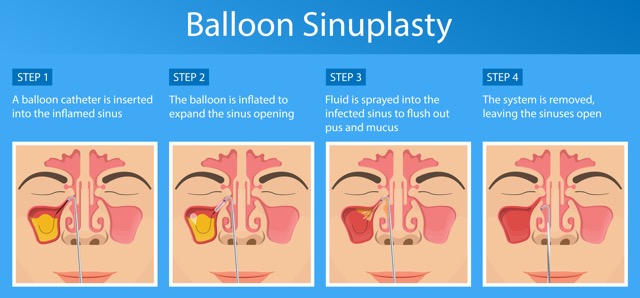
The procedure involves:
Since no tissue is removed, the procedure preserves the natural anatomy of the sinuses.
You may be a suitable candidate for balloon sinuplasty if you have:
Who May Not Be Suitable?
Balloon sinuplasty may not be appropriate for patients with:
An ENT specialist will evaluate your condition through examination and imaging studies before recommending treatment.
Balloon sinuplasty is commonly used for:
Chronic Sinusitis Treatment
Patients with long term inflammation of the sinuses often benefit significantly from balloon sinus dilation.
Chronic Sinus Infection Treatment
Recurring bacterial sinus infections caused by poor sinus drainage can be effectively managed by opening blocked sinus passages.
Recurrent Sinus Infection Treatment
People experiencing multiple sinus infections every year may achieve long term symptom relief after treatment.

Diet & Lifestyle Consultation

Post-Surgery Follow-Up

Free Cab Facility

24*7 Patient Support
Preoperative Evaluation
Before the procedure, your ENT surgeon may recommend:
During the Procedure
The procedure generally takes between 30 minutes and 1 hour.
Step 1: Anesthesia
Local anesthesia with sedation or general anesthesia may be used.
Step 2: Endoscope Placement
A small endoscope is inserted into the nasal cavity to visualize the sinuses.
Step 3: Balloon Catheter Insertion
A guidewire and balloon catheter are carefully advanced into the blocked sinus opening.
Step 4: Balloon Inflation
The balloon is inflated for several seconds to widen the sinus passage.
Step 5: Saline Irrigation
The sinus cavity is flushed to remove mucus and debris.
Step 6: Completion
The balloon is removed, and the newly widened passage remains open.
Balloon sinuplasty offers several advantages over traditional sinus surgery.
Minimally Invasive Treatment
No cutting or removal of healthy tissue is required.
Faster Recovery
Most patients return to normal activities within a few days.
Less Pain and Bleeding
Minimal tissue disruption leads to reduced discomfort and bleeding.
Preservation of Natural Anatomy
The procedure maintains normal sinus structures.
High Success Rate
Many patients experience long term improvement in sinus symptoms and quality of life.
| Feature | Balloon Sinuplasty | Endoscopic Sinus Surgery |
|---|---|---|
| Tissue Removal | No | Yes |
| Invasiveness | Minimally invasive | More invasive |
| Recovery Time | Faster | Longer |
| Bleeding Risk | Lower | Higher |
| Postoperative Discomfort | Minimal | Moderate |
| Suitable for Severe Disease | Limited | Yes |
The choice between procedures depends on the severity of sinus disease and individual patient needs.
Most patients report only mild discomfort during and after the procedure. Modern anesthesia techniques ensure patient comfort throughout treatment.
After surgery, temporary symptoms may include:
These symptoms usually improve within a few days.
One of the major advantages of balloon sinuplasty is its rapid recovery.
First 24-48 Hours
Patients may experience:
First Week
Most patients can:
Long-Term Recovery
Complete healing typically occurs within a few weeks, with ongoing improvement in sinus function.
Following postoperative instructions helps optimize recovery.
Recommended Aftercare Tips
What to Avoid
Clinical studies have shown high patient satisfaction and symptom improvement following balloon sinuplasty.
Many patients experience:
Success rates are particularly high in carefully selected patients with chronic sinusitis.
Although balloon sinuplasty is considered safe, every medical procedure carries some risk.
Common Side Effects
Rare Complications
An experienced ENT surgeon can significantly reduce the likelihood of complications.
The balloon sinuplasty cost in India varies depending on several factors:
A detailed consultation and evaluation are usually required to determine the final treatment cost.
In many cases, balloon sinuplasty may be covered by health insurance if it is considered medically necessary for treating chronic sinusitis or recurrent sinus infections.
Coverage depends on:
Patients should verify coverage details with their insurer before treatment.
Patients often choose balloon sinuplasty because it provides:
Balloon sinuplasty is a minimally invasive procedure that uses a balloon catheter to widen blocked sinus passages and improve drainage.
The procedure typically takes between 30 minutes and 1 hour, depending on the number of sinuses being treated.
Patients with chronic sinusitis, recurrent sinus infections, facial pressure, nasal congestion, and poor response to medication may be suitable candidates.
Most patients experience only mild discomfort due to the use of local or general anesthesia during treatment.
Many patients return to normal activities within 1 to 3 days, with complete healing occurring over several weeks.
Temporary congestion, mild bleeding, facial pressure, and nasal tenderness are the most common side effects.
Complications are uncommon but may include infection, persistent symptoms, or the need for additional treatment.
For eligible patients, balloon sinuplasty offers faster recovery, less discomfort, and preservation of healthy tissue. However, severe sinus disease may still require endoscopic sinus surgery.
Yes. Balloon sinuplasty is widely used as an effective treatment for chronic sinusitis and recurrent sinus infections when medications fail.
Many insurance plans provide coverage when the procedure is medically necessary. Coverage varies by insurer and policy.

Avail FREE Doctor Consultation

Consult with our expert surgeon for more than 50+ diseases

Once you share your details, our care coordinator will get in touch with you.

The coordinator will understand your symptoms and health condition in detail.

Your consultation will be scheduled at the earliest.
3M +
Happy Patients
150 +
Clinics
30 +
Cities

120Cr—Patient Savings Delivered
so patients focus on recovery, not bills.

Complete Transparency
No hidden charges or surprise bills

End-to-End Insurance Handling
Complete insurance processing support

Up to 20% Savings on Every Surgery
powered by smarter insurance handling

Easy EMI Options
Flexible payment plans available
120Cr—Patient Savings Delivered
so patients focus on recovery, not bills.
Complete Transparency
No hidden charges or surprise bills
Your Form Has Been Submitted Successfully.
Our care coordinator will call you shortly.


Book Your FREE Consultation
Consult with our expert surgeon for more than 50+ diseases
Once you share your details, our care coordinator will get in touch with you.
The coordinator will understand your symptoms and health condition in detail.
Your consultation will be scheduled at the earliest.
3M +
Happy Patients
150 +
Clinics
30 +
Cities