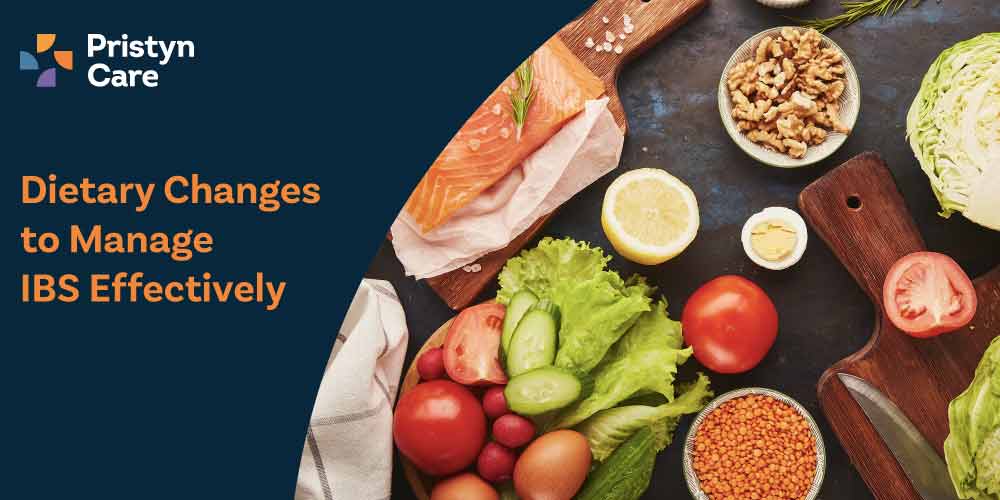
Irritable Bowel Syndrome (IBS) is a common digestive disorder that can significantly affect daily life. While medications may help, dietary changes play a central role in managing IBS effectively and reducing symptoms like bloating, pain, and irregular bowel movements.
MEDICALLY REVIEWED CONTENT
✍WRITTEN & 🔍REVIEWED BY
Pristyn Care Team
Healthcare Expert
Updated On - May 1, 2026
Book Your FREE Consultation Now
Dedicated Support at Every Step!
Our Doctors are available 24 hours a day, 7 days a week to help you!
Table of Contents
What Is IBS?
Irritable Bowel Syndrome is a condition characterized by:
Abdominal pain or discomfort
Bloating and gas
Diarrhea, constipation, or both
Symptoms vary from person to person and are often triggered by certain foods and lifestyle factors.
We take care of you
Get Your Surgery Done with No Cost EMI, Hassle-free Insurance Approval
Why Diet Matters in IBS
Certain foods can trigger or worsen symptoms
Gut sensitivity is higher in IBS patients
Identifying and avoiding triggers can provide significant relief
Key Dietary Changes for Managing IBS
1. Follow a Low-FODMAP Diet
Avoid fermentable carbohydrates that cause gas and bloating
Limit foods like onions, garlic, beans, and certain fruits
2. Increase Fiber Intake (Carefully)
Soluble fiber (oats, psyllium) can help regulate bowel movements
Avoid excessive insoluble fiber if it worsens symptoms
3. Identify Trigger Foods
Common triggers include:
Spicy foods
Dairy (in lactose intolerance)
Caffeine
Artificial sweeteners
Keep a food diary to track symptoms.
4. Eat Smaller, Frequent Meals
Large meals can trigger symptoms
Smaller portions reduce digestive stress
5. Stay Hydrated
Drink plenty of water
Helps with digestion and bowel movement regulation
6. Limit Gas-Producing Foods
Carbonated drinks
Cruciferous vegetables (in some individuals)
7. Consider Probiotics
May help balance gut bacteria
Can improve symptoms in some patients
Foods That May Help
Oats and rice
Bananas
Yogurt (if tolerated)
Lean proteins
Lifestyle Tips Along with Diet
Manage stress (IBS is stress-sensitive)
Exercise regularly
Maintain a consistent eating schedule
Free IBS Surgery Cost Calculator
Fill details to get actual cost
Enter a valid name
Enter a valid 10-digit mobile number
Please enter a valid city
×
Your Form has been submitted successfully.
Our care coordinator will call you shortly.
When Should You Consult a Doctor?
Severe or persistent symptoms
Unexplained weight loss
Blood in stool
Symptoms affecting quality of life
Pristyncare App
Download app to get more features for free
Check Symptoms
Cowin Certificate
Period Tracker
Dental Aligners
Final Thoughts
Managing IBS effectively requires a personalized approach to diet. What works for one person may not work for another, so identifying individual triggers is key.
With the right dietary changes, along with lifestyle modifications and medical guidance, most people with IBS can significantly reduce symptoms and improve their quality of life.



 Views: 17