


 Views: 222
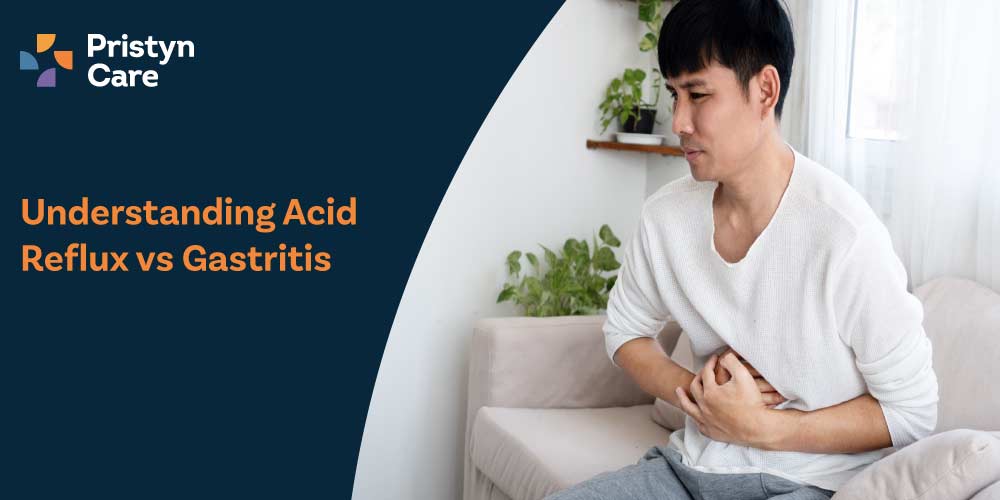
Understanding Acid Reflux vs Gastritis
Digestive discomfort is a common health concern affecting millions of people worldwide. Two frequently confused digestive conditions are acid reflux and gastritis. Although both can cause upper abdominal discomfort, burning sensations, and nausea, they affect different parts of the digestive system and may require different treatment approaches.




Dedicated Support at Every Step!
Our Doctors are available 24 hours a day, 7 days a week to help you!

Understanding the difference between acid reflux and gastritis can help individuals recognize symptoms early and seek appropriate medical care.
Table of Contents
What Is Acid Reflux?
Acid reflux occurs when stomach acid flows backward into the esophagus, the tube connecting the mouth and stomach.
Normally, a muscular valve called the lower esophageal sphincter prevents stomach contents from moving upward. When this valve weakens or relaxes abnormally, acid can travel into the esophagus and cause irritation.
Frequent acid reflux may lead to a chronic condition called gastroesophageal reflux disease (GERD).
No Cost EMI, Hassle-free Insurance Approval
What Is Gastritis?
Gastritis refers to inflammation of the stomach lining.
The condition may occur suddenly (acute gastritis) or develop gradually over time (chronic gastritis). Inflammation weakens the stomach’s protective lining, making it more vulnerable to irritation from acid and digestive enzymes.
Gastritis may range from mild irritation to severe inflammation and ulcers.
Acid Reflux vs Gastritis: Key Difference
The major difference lies in the affected area.
| Condition | Affected Area | Main Problem |
|---|---|---|
| Acid Reflux | Esophagus | Backflow of stomach acid |
| Gastritis | Stomach lining | Inflammation of stomach lining |
Although symptoms may overlap, the underlying causes and treatments may differ.
Common Symptoms of Acid Reflux
Acid reflux primarily affects the chest and upper digestive tract.
Common Symptoms Include
- Burning sensation in the chest (heartburn)
- Sour or bitter taste in the mouth
- Regurgitation of food or acid
- Chest discomfort after meals
- Difficulty swallowing
- Chronic cough
- Hoarseness
- Symptoms worsening when lying down
Heartburn is one of the most characteristic symptoms of acid reflux.
Common Symptoms of Gastritis
Gastritis mainly affects the stomach.
Symptoms of Gastritis May Include
- Upper abdominal pain
- Burning stomach discomfort
- Nausea or vomiting
- Feeling full quickly
- Bloating
- Loss of appetite
- Indigestion
- Stomach tenderness
Some individuals with gastritis may not notice symptoms initially.
Causes of Acid Reflux
Several factors can weaken the lower esophageal sphincter and trigger acid reflux.
Common Causes Include
- Obesity
- Large meals
- Fatty foods
- Spicy foods
- Smoking
- Pregnancy
- Hiatal hernia
- Lying down after eating
- Excess caffeine or alcohol
Chronic reflux may irritate the esophagus over time.
Causes of Gastritis
Gastritis develops when the stomach lining becomes inflamed or damaged.
Common Causes Include
- Helicobacter pylori infection
- Excess alcohol intake
- Long-term painkiller use
- Stress
- Smoking
- Autoimmune conditions
- Severe illness or infection
Repeated irritation weakens the stomach’s protective lining.
Acid Reflux vs Gastritis Symptoms Comparison
| Symptom | Acid Reflux | Gastritis |
|---|---|---|
| Heartburn | Common | Less common |
| Sour taste in mouth | Common | Rare |
| Upper abdominal pain | Sometimes | Common |
| Nausea | Possible | Common |
| Bloating | Possible | Common |
| Burning chest pain | Common | Rare |
| Feeling full quickly | Less common | Common |
| Regurgitation | Common | Rare |
Symptoms may overlap in some individuals.
Can Acid Reflux and Gastritis Occur Together?
Yes, some people may experience both conditions at the same time.
For example:
- Excess stomach acid may worsen gastritis symptoms
- Gastritis-related irritation may contribute to reflux symptoms
- Poor dietary habits can trigger both conditions
Accurate diagnosis is important for effective treatment.
Foods That May Trigger Acid Reflux
Certain foods commonly worsen reflux symptoms.
Common Trigger Foods
- Fried foods
- Spicy meals
- Citrus fruits
- Tomato-based foods
- Chocolate
- Carbonated drinks
- Coffee
- Alcohol
Avoiding personal trigger foods may help reduce symptoms.
Foods That May Worsen Gastritis
Some foods may irritate the inflamed stomach lining.
 Doctor available
4.5/5

29+ Years Experience Overall
Doctor available
4.5/5
19+ Years Experience Overall
Doctor available
4.5/5
19+ Years Experience Overall
Doctor available
4.5/5
15+ Years Experience Overall
Doctor available
4.5/5
12+ Years Experience Overall
Doctor available
4.5/5
12+ Years Experience Overall
Doctor available
5.0/5
25+ Years Experience Overall
%20(4)%20(1).jpg/1682933853454_ban-Icon.png) Doctor available
Doctor available.jpeg/1777541472938_ban-Icon.png)
4.8/5
17+ Years Experience Overall
Doctor available
4.5/5
18+ Years Experience Overall
Doctor available
4.8/5
16+ Years Experience Overall
Doctor available
4.8/5
15+ Years Experience Overall
Doctor available
MBBS, MS - General Surgery, MCh - Urology/Genito-Urinary Surgery
₹1200₹600Consultation Fee
5.0/5
15+ Years Experience Overall
Doctor available
5.0/5
14+ Years Experience Overall
Doctor available
5.0/5
14+ Years Experience Overall
Doctor available
4.5/5
13+ Years Experience Overall
Doctor available
4.5/5
13+ Years Experience Overall
Doctor available
4.5/5
12+ Years Experience Overall
Doctor available
4.5/5
11+ Years Experience Overall
Foods Often Linked to Gastritis Symptoms
- Spicy foods
- Alcohol
- Processed foods
- Highly acidic foods
- Excess caffeine
- Fried foods
Mild, balanced meals are often easier to tolerate.
Warning Signs That Require Medical Attention
Seek medical evaluation if symptoms occur with:
- Difficulty swallowing
- Vomiting blood
- Black stools
- Severe abdominal pain
- Unexplained weight loss
- Persistent vomiting
- Chest pain
- Loss of appetite
These symptoms may indicate complications or serious digestive disease.
Possible Complications of Untreated Acid Reflux
Long-term acid reflux may lead to complications.
Potential Complications Include
- Esophagitis
- Esophageal ulcers
- Narrowing of the esophagus
- Barrett’s esophagus
- Chronic throat irritation
Chronic GERD increases the risk of esophageal damage.
Possible Complications of Untreated Gastritis
Untreated gastritis may also become serious.
Complications May Include
- Stomach ulcers
- Bleeding
- Anemia
- Chronic inflammation
- Increased ulcer risk
Early treatment may reduce complications.
How Doctors Diagnose Acid Reflux and Gastritis
Doctors evaluate symptoms, medical history, and perform diagnostic tests.
Common Diagnostic Tests
- Endoscopy
- Helicobacter pylori testing
- Blood tests
- Stool tests
- Imaging studies
- Esophageal pH monitoring
Endoscopy helps examine both the esophagus and stomach lining.
Treatment for Acid Reflux
Treatment aims to reduce acid exposure and improve digestion.

Free Kidney Stones Surgery Cost Calculator

Our care coordinator will call you shortly.
Common Treatments Include
- Lifestyle changes
- Acid-reducing medications
- Weight management
- Avoiding trigger foods
- Elevating the head during sleep
Long-term management may be necessary in chronic cases.
Treatment for Gastritis
Treatment depends on the underlying cause of inflammation.
Possible Treatments Include
- Acid-reducing medications
- Antibiotics for H. pylori infection
- Avoiding irritating foods
- Reducing alcohol intake
- Stopping unnecessary painkiller use
Dietary adjustments often support healing.
Lifestyle Changes That May Help Both Conditions
Certain healthy habits may improve digestive symptoms.
Helpful Lifestyle Measures
- Eat smaller meals
- Avoid overeating
- Maintain healthy body weight
- Avoid smoking
- Limit alcohol
- Reduce stress
- Stay hydrated
- Avoid lying down immediately after meals
Healthy routines may improve long-term digestive health.
Stress and Digestive Health
Stress may worsen both acid reflux and gastritis symptoms.
Stress can contribute to:
- Increased acid production
- Digestive discomfort
- Changes in eating habits
- Worsened inflammation
Stress management techniques may support symptom control.
Can Diet Help Prevent Symptoms?
Yes, diet plays a major role in digestive health.
Helpful Dietary Habits Include
- Eating fiber-rich foods
- Choosing lean proteins
- Limiting spicy and fried foods
- Eating slowly
- Avoiding late-night meals
Keeping a food diary may help identify personal triggers.
Frequently Asked Questions (FAQs)
What is the main difference between acid reflux and gastritis?
Acid reflux affects the esophagus, while gastritis involves inflammation of the stomach lining.
Can gastritis cause heartburn?
Yes, some people with gastritis may experience burning discomfort similar to heartburn.
Is acid reflux dangerous if untreated?
Chronic untreated reflux may damage the esophagus and lead to complications.
What foods should be avoided in gastritis?
Spicy foods, alcohol, fried foods, and excess caffeine may worsen gastritis symptoms.
Can stress worsen both conditions?
Yes, stress may increase digestive discomfort and worsen symptoms of both acid reflux and gastritis.
Conclusion
Acid reflux and gastritis are common digestive disorders that can cause similar symptoms, including burning discomfort, bloating, nausea, and upper abdominal pain. However, they affect different parts of the digestive system and may have different underlying causes.
Recognizing the differences between these conditions is important for proper diagnosis and treatment. Healthy eating habits, stress management, avoiding trigger foods, and timely medical evaluation can help improve symptoms and support long-term digestive health.


SEO Keywords Included Naturally
- acid reflux vs gastritis
- difference between acid reflux and gastritis
- gastritis symptoms
- acid reflux symptoms
- GERD vs gastritis
- causes of gastritis
- digestive disorders causing heartburn
- upper abdominal burning causes
- acid reflux treatment
- gastritis treatment and diet
Social share:




- Kidney Stones Treatment in Hyderabad
- Kidney Stones Treatment in Ghaziabad
- Kidney Stones Treatment in Bangalore
- Kidney Stones Treatment in Pune
- Kidney Stones Treatment in Mumbai
- Kidney Stones Treatment in Chennai
- Kidney Stones Treatment in Noida
- Kidney Stones Treatment in Delhi
- Kidney Stones Treatment in Faridabad
Related Calculators

Dedicated Support at Every Step!
Our Doctors are available 24 hours a day, 7 days a week to help you!
Related Calculators
Get In Touch with our expert doctors !
- please enter 10 digit number.


