


 Views: 486
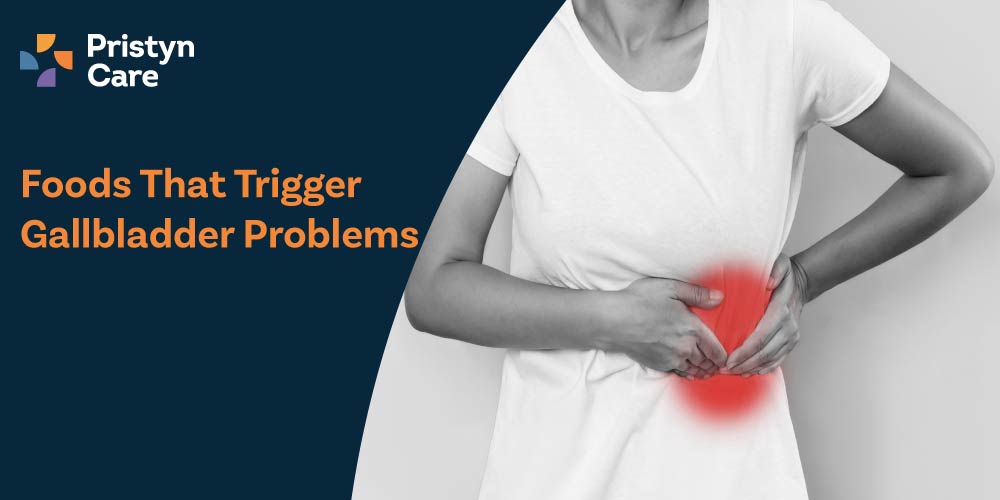
Foods That Trigger Gallbladder Problems
The gallbladder is a small organ located beneath the liver that helps digest fats by storing and releasing bile. When the gallbladder becomes inflamed or gallstones develop, certain foods may trigger pain, bloating, nausea, and digestive discomfort.



Dedicated Support at Every Step!
Our Doctors are available 24 hours a day, 7 days a week to help you!

Diet plays a major role in managing gallbladder symptoms and reducing flare-ups. Understanding which foods commonly trigger gallbladder problems can help individuals make healthier dietary choices and support better digestive health.
Table of Contents
What Does the Gallbladder Do?
The gallbladder stores bile produced by the liver and releases it into the small intestine to help digest fats.
When fatty foods are consumed, the gallbladder contracts to release bile. In people with gallstones or gallbladder disease, this contraction may trigger pain or digestive symptoms.
No Cost EMI, Hassle-free Insurance Approval
Common Gallbladder Problems
Several conditions can affect the gallbladder.
Common Gallbladder Conditions
- Gallstones
- Gallbladder inflammation (cholecystitis)
- Bile duct blockage
- Gallbladder infection
- Poor gallbladder function
Symptoms often worsen after eating certain foods.
Symptoms of Gallbladder Problems
Gallbladder-related symptoms may include:
- Upper right abdominal pain
- Pain after fatty meals
- Nausea or vomiting
- Bloating
- Indigestion
- Burping
- Pain radiating to the back or shoulder
- Feeling full quickly
Symptoms may appear suddenly and last from minutes to several hours.
Foods That Commonly Trigger Gallbladder Problems
1. Fried Foods
Fried foods are among the most common triggers for gallbladder attacks.
Examples Include
- French fries
- Fried chicken
- Pakoras
- Chips
- Deep-fried snacks
These foods contain large amounts of unhealthy fats that require more bile for digestion.
2. High-Fat Dairy Products
Full-fat dairy products may worsen gallbladder symptoms in some individuals.
Foods to Limit
- Whole milk
- Cheese
- Butter
- Cream
- Ice cream
High-fat dairy may increase gallbladder contractions and digestive discomfort.
3. Processed and Fast Foods
Highly processed foods often contain unhealthy fats and additives.
Common Trigger Foods
- Burgers
- Pizza
- Processed meats
- Instant noodles
- Frozen meals
These foods may contribute to inflammation and poor digestion.
4. Fatty Meats
Fat-rich meats are harder to digest and may aggravate gallbladder symptoms.
Examples Include
- Bacon
- Sausages
- Lamb fat
- Red meat with visible fat
- Processed meat products
Lean protein options are usually easier to tolerate.
5. Refined Carbohydrates
Highly refined foods may increase the risk of gallstones and digestive issues.
Foods to Reduce
- White bread
- Cakes
- Pastries
- Sugary cereals
- Refined flour snacks
Balanced whole-grain alternatives may support better digestive health.
6. Sugary Foods and Desserts
Excess sugar intake may increase gallstone risk in some individuals.
Common Sugary Foods
- Candy
- Soft drinks
- Sweet desserts
- Packaged sweets
- Sugary beverages
Limiting added sugars may support gallbladder health.
7. Oily and Spicy Foods
Heavy oily meals may trigger digestive discomfort and gallbladder pain.
Symptoms After Trigger Foods
- Bloating
- Nausea
- Burping
- Upper abdominal pain
Some individuals may also experience indigestion after spicy meals.
8. Excessive Alcohol
Heavy alcohol intake may affect digestion and liver-gallbladder function.
Alcohol may contribute to:
- Digestive irritation
- Inflammation
- Poor fat digestion
Moderation is important for digestive health.
9. Creamy Sauces and Gravies
Rich sauces often contain high amounts of butter, cream, or oil.
Examples Include
- Cream-based curries
- Alfredo sauces
- Heavy gravies
- Cheese sauces
These foods may trigger symptoms in sensitive individuals.
 Doctor available
4.5/5

29+ Years Experience Overall
Doctor available
4.5/5
19+ Years Experience Overall
Doctor available
4.5/5
19+ Years Experience Overall
Doctor available
4.5/5
15+ Years Experience Overall
Doctor available
4.5/5
12+ Years Experience Overall
Doctor available
4.5/5
12+ Years Experience Overall
Doctor available
5.0/5
25+ Years Experience Overall
%20(4)%20(1).jpg/1682933853454_ban-Icon.png) Doctor available
Doctor available.jpeg/1777541472938_ban-Icon.png)
4.8/5
17+ Years Experience Overall
Doctor available
4.5/5
18+ Years Experience Overall
Doctor available
4.8/5
16+ Years Experience Overall
Doctor available
4.8/5
15+ Years Experience Overall
Doctor available
MBBS, MS - General Surgery, MCh - Urology/Genito-Urinary Surgery
₹1200₹600Consultation Fee
5.0/5
15+ Years Experience Overall
Doctor available
5.0/5
14+ Years Experience Overall
Doctor available
5.0/5
14+ Years Experience Overall
Doctor available
4.5/5
14+ Years Experience Overall
Doctor available
4.5/5
13+ Years Experience Overall
Doctor available
4.5/5
13+ Years Experience Overall
Doctor available
4.5/5
12+ Years Experience Overall
Doctor available
4.5/5
11+ Years Experience Overall
10. Large Heavy Meals
Eating large meals may place stress on the digestive system and gallbladder.
Large fatty meals may increase the risk of:
- Gallbladder attacks
- Bloating
- Pain
- Nausea
Smaller, balanced meals are often easier to digest.
Why Fatty Foods Trigger Gallbladder Pain
The gallbladder releases bile to digest fats. High-fat meals require stronger gallbladder contractions.
If gallstones block bile flow or inflammation is present, these contractions may cause:
- Sharp abdominal pain
- Cramping
- Nausea
- Digestive discomfort
This pain is often referred to as a gallbladder attack.
Foods That May Support Gallbladder Health
A balanced diet may help reduce digestive stress.
Better Food Choices Include
- Fresh fruits
- Vegetables
- Whole grains
- Oats
- Brown rice
- Lean proteins
- Fish
- Legumes
- Low-fat dairy
Fiber-rich foods may also help improve digestion.
Importance of Hydration
Adequate water intake supports digestion and bile movement.
Dehydration may contribute to:
- Sluggish digestion
- Poor bowel function
- Concentrated bile formation
Regular hydration supports overall digestive health.
Can Weight Affect Gallbladder Health?
Obesity is a known risk factor for gallstones and gallbladder disease.
However, rapid weight loss may also increase gallstone risk.
Healthy Weight Management Tips
- Gradual weight loss
- Balanced nutrition
- Regular exercise
- Avoid crash diets
Steady lifestyle changes are safer for gallbladder health.
Foods Some People Tolerate Differently
Not everyone reacts to the same foods in the same way.
Some individuals may tolerate:
- Moderate healthy fats
- Mild spices
- Certain dairy products
Keeping a food diary may help identify personal trigger foods.
When to Seek Medical Attention
Seek medical evaluation if symptoms include:
- Severe upper abdominal pain
- Fever
- Persistent vomiting
- Yellowing of skin or eyes
- Dark urine
- Persistent bloating
- Chest-like pain after meals
These symptoms may indicate gallbladder inflammation or bile duct blockage.
Free Kidney Stones Surgery Cost Calculator

Our care coordinator will call you shortly.
How Doctors Diagnose Gallbladder Problems
Doctors may use several tests to evaluate gallbladder disease.
Common Diagnostic Tests
- Ultrasound
- Blood tests
- CT scan
- MRI
- HIDA scan
Imaging helps identify gallstones, inflammation, or blockage.
Treatment for Gallbladder Problems
Treatment depends on the severity of symptoms and underlying condition.
Possible Treatments Include
- Dietary modifications
- Pain management
- Antibiotics for infection
- Gallstone treatment
- Gallbladder removal surgery
Many people recover well after appropriate treatment.
Lifestyle Tips to Reduce Gallbladder Symptoms
Helpful Daily Habits
- Eat smaller meals
- Avoid fried foods
- Maintain healthy body weight
- Stay hydrated
- Exercise regularly
- Increase fiber intake
- Avoid overeating
Healthy routines may help reduce flare-ups.
Frequently Asked Questions (FAQs)
Which foods commonly trigger gallbladder attacks?
Fried foods, fatty meats, full-fat dairy, processed foods, and heavy oily meals commonly trigger symptoms.
Can spicy food affect the gallbladder?
Spicy foods may worsen digestive discomfort in some individuals, especially when combined with oily meals.
Is coffee bad for gallbladder problems?
Coffee affects individuals differently. Some people tolerate it well, while others may experience digestive irritation.
Can diet help prevent gallstones?
A balanced diet rich in fiber and healthy weight management may help lower gallstone risk.
When should gallbladder pain be considered serious?
Severe pain, fever, vomiting, or yellowing of the skin require urgent medical evaluation.
Conclusion
Diet plays an important role in managing gallbladder problems and reducing digestive discomfort. Fried foods, fatty meals, processed foods, sugary items, and heavy dairy products commonly trigger gallbladder symptoms in susceptible individuals.
Making healthier food choices, maintaining proper hydration, exercising regularly, and avoiding excessive fatty meals may help support gallbladder function and reduce flare-ups. Persistent or severe symptoms should always be medically evaluated to prevent complications and ensure proper treatment.


SEO Keywords Included Naturally
- foods that trigger gallbladder problems
- gallbladder attack foods
- foods to avoid with gallstones
- gallbladder diet tips
- fatty foods and gallbladder pain
- gallbladder problem symptoms
- gallstones and diet
- foods causing gallbladder attacks
- digestive problems after fatty foods
- best diet for gallbladder health
Social share:





- Kidney Stones Treatment in Hyderabad
- Kidney Stones Treatment in Ghaziabad
- Kidney Stones Treatment in Bangalore
- Kidney Stones Treatment in Pune
- Kidney Stones Treatment in Mumbai
- Kidney Stones Treatment in Chennai
- Kidney Stones Treatment in Noida
- Kidney Stones Treatment in Delhi
- Kidney Stones Treatment in Faridabad
Related Calculators

Dedicated Support at Every Step!
Our Doctors are available 24 hours a day, 7 days a week to help you!
Related Calculators
Get In Touch with our expert doctors !
- please enter 10 digit number.


