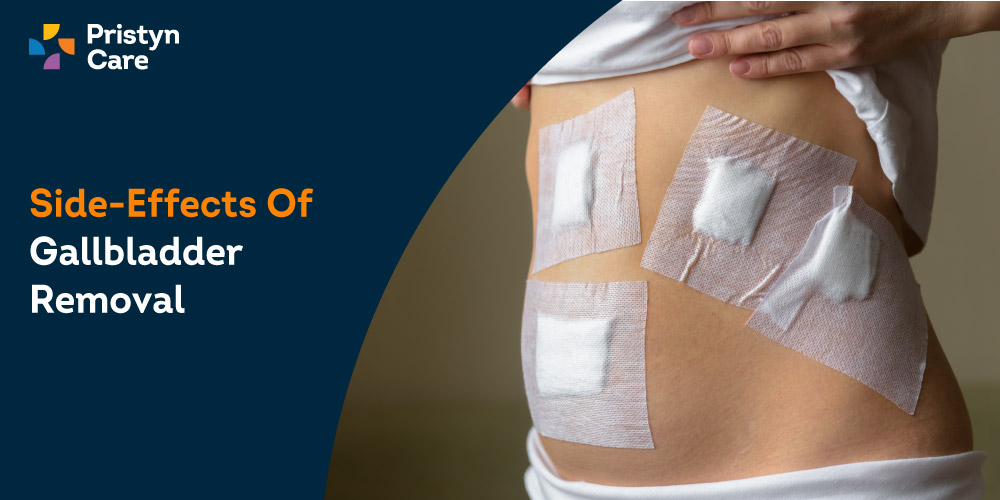
Gallbladder removal surgery, medically known as cholecystectomy, is a common treatment for symptomatic gallstones and other gallbladder conditions. Like any surgery, it can cause some temporary side effects during recovery. Most people recover well after the procedure, particularly after laparoscopic gallbladder removal, but some may experience digestive changes, pain, diarrhea, or other complications.
The risk of complications depends on factors such as your overall health, the type of surgery performed, the severity of the gallbladder condition, and whether the surgery was planned or performed as an emergency procedure. Knowing the possible side effects can help you understand what is normal during recovery and when medical attention may be needed.
Table of Contents
Top 10 Side Effects and Complications of Gallbladder Removal
Some discomfort and digestive changes are common after gallbladder removal and usually improve as the body adjusts. However, certain symptoms may indicate a complication and should be evaluated by a doctor.
Digestive Changes
The gallbladder stores and releases bile when it is needed for digestion. After gallbladder removal, bile flows continuously from the liver into the small intestine. This change can temporarily affect digestion and may cause bloating, indigestion, gas, or changes in bowel movements.
Diarrhea
Loose stools or diarrhea can occur after gallbladder removal because bile continuously enters the intestine. This is usually temporary and may improve as the digestive system adapts. Eating smaller meals and limiting very fatty foods may help reduce symptoms.
Pain or Discomfort
Mild abdominal pain, soreness around the incision sites, or discomfort is common during the initial recovery period. After laparoscopic surgery, some people may also experience shoulder pain due to the gas used during the procedure. Pain that becomes severe or progressively worsens should be reported to the doctor.
Wound Infection
Although uncommon, the incision sites can become infected after surgery. Signs may include increasing redness, swelling, warmth, pus or other discharge, worsening pain, or fever. Keeping the surgical wounds clean and following the surgeon’s wound-care instructions can help reduce the risk of infection.
Bile Leakage
In rare cases, bile may leak into the abdominal cavity because of an injury or leak from the bile ducts or the area where the gallbladder was removed. Bile leakage can cause abdominal pain, fever, nausea, or abdominal swelling and may require additional treatment.
Bile Duct Injury
The bile ducts are located close to the gallbladder. Rarely, they can be injured during surgery. A bile duct injury can interfere with the normal flow of bile and may require further procedures or surgery for treatment.
Retained Gallstones
Sometimes, a gallstone may remain in the common bile duct even after the gallbladder has been removed. Such stones can cause abdominal pain, jaundice, fever, nausea, or vomiting if they obstruct the bile duct. Additional treatment may be required to remove the stone.
Blood Clots
As with other surgical procedures, there is a small risk of developing a blood clot in the deep veins of the legs, known as deep vein thrombosis (DVT). Staying mobile as advised by your doctor and following postoperative instructions can help reduce this risk.
Hernia at the Incision Site
A hernia can occasionally develop at or near a surgical incision, particularly if the abdominal wall becomes weak at the site. It may appear as a bulge and can become more noticeable when coughing, standing, or straining. A doctor should evaluate any new or persistent swelling around an incision.
Post-Cholecystectomy Syndrome
Some people continue to experience digestive symptoms after gallbladder removal. This is sometimes referred to as post-cholecystectomy syndrome. Symptoms may include abdominal pain, indigestion, bloating, nausea, diarrhea, or heartburn.
These symptoms can have different causes, including bile-related problems, retained gallstones, gastrointestinal conditions, or other disorders. Therefore, persistent symptoms should be evaluated rather than assumed to be a normal part of recovery.
Is Diarrhea Normal After Gallbladder Removal?
Diarrhea can occur after gallbladder removal and is often temporary. Since bile is no longer stored in the gallbladder, it flows more continuously into the intestine. In some people, this can stimulate bowel movements and result in loose stools.
The symptoms generally improve as the body adjusts. However, persistent or severe diarrhea should be discussed with a doctor because other causes may need to be ruled out.
When Should You Contact a Doctor After Gallbladder Surgery?
Some discomfort is expected during recovery, but certain symptoms require prompt medical evaluation. Contact your doctor if you experience:
- Severe or worsening abdominal pain
- Persistent vomiting or inability to keep fluids down
- High or persistent fever
- Increasing redness, swelling, or discharge from the incision
- Yellowing of the skin or eyes (jaundice)
- Dark urine or unusually pale stools
- Persistent or severe diarrhea
- Abdominal swelling
- Difficulty breathing or chest pain
- Swelling or pain in one leg
Recovery After Gallbladder Removal Surgery
Recovery depends on the type of surgery and your overall health. Laparoscopic cholecystectomy generally involves smaller incisions and a shorter recovery period than open surgery. Many people can return to light daily activities within a few days, although complete recovery may take longer.
Your surgeon may recommend the following during recovery:
- Keep the surgical wounds clean and dry as instructed.
- Take prescribed medicines according to the doctor’s instructions.
- Gradually return to normal physical activity.
- Avoid heavy lifting until your doctor says it is safe.
- Drink enough fluids unless your doctor has advised otherwise.
- Eat smaller meals if large meals cause discomfort.
- Limit very fatty, fried, or greasy foods during the initial recovery period.
- Follow all postoperative appointments and instructions.
Diet After Gallbladder Removal Surgery
You do not usually need a permanent special diet after gallbladder removal. However, some people find that certain foods cause digestive discomfort during the first few weeks.
To make digestion easier during early recovery:
- Eat smaller portions more frequently instead of very large meals.
- Choose low-fat foods initially.
- Limit fried and greasy foods.
- Introduce high-fiber foods gradually.
- Drink adequate fluids.
- Pay attention to foods that trigger diarrhea, bloating, or abdominal discomfort.
Advantages of Laparoscopic Gallbladder Removal
Laparoscopic gallbladder removal is a minimally invasive procedure commonly used to treat symptomatic gallstones and other gallbladder problems. Compared with traditional open surgery, it generally involves smaller incisions and may allow a faster recovery.
- Smaller surgical incisions
- Less postoperative discomfort in many patients
- Lower risk of wound-related problems compared with a large open incision
- Shorter hospital stay in uncomplicated cases
- Earlier return to routine activities
Can You Live Normally Without a Gallbladder?
Yes. The gallbladder is not an essential organ for survival. The liver continues to produce bile after the gallbladder is removed. Instead of being stored in the gallbladder, bile flows directly into the small intestine.
Most people can return to a normal diet and lifestyle after recovering from surgery. Some may experience temporary digestive changes, but these often improve with time.
How to Reduce the Risk of Complications After Surgery?
- Follow your surgeon’s postoperative instructions carefully.
- Take prescribed medicines as directed.
- Keep the incision sites clean and monitor them for signs of infection.
- Stay physically active according to your doctor’s advice.
- Avoid heavy lifting until you receive medical clearance.
- Follow dietary recommendations during the early recovery period.
- Attend follow-up appointments.
- Seek medical attention if unusual or worsening symptoms develop.
When to Seek Medical Help
Most people recover without serious complications after gallbladder removal. However, symptoms such as severe abdominal pain, persistent vomiting, fever, jaundice, breathing difficulty, or signs of infection should not be ignored. Contact your surgeon or seek medical care promptly if these symptoms occur.
If you are experiencing persistent symptoms after gallbladder removal, consult a qualified surgeon to identify the underlying cause and determine the appropriate treatment.