


 Views: 107
Ureteroscopy Procedure – What Patients Should Expect
Ureteroscopy is a commonly performed, minimally invasive procedure used to diagnose and treat problems in the urinary tract—especially kidney and ureteral stones. If your doctor has recommended this procedure, understanding what to expect during ureteroscopy can help red... uce anxiety and prepare you for a smooth experience.
Read more



Dedicated Support at Every Step!
Our Doctors are available 24 hours a day, 7 days a week to help you!

Table of Contents
What Is Ureteroscopy?
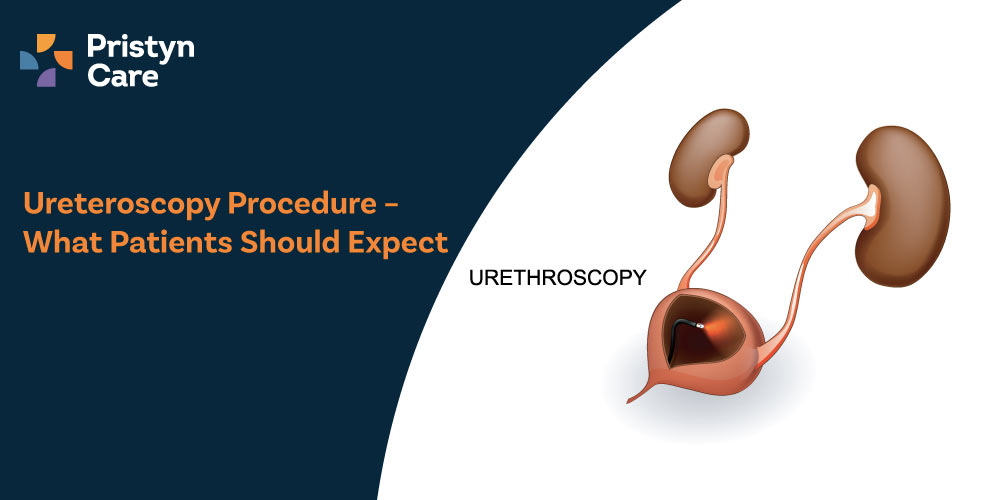
Ureteroscopy is a procedure where:
- A thin, flexible scope (ureteroscope) is passed through the urethra and bladder into the ureter
- No external incisions are made
- Stones or abnormalities are directly visualized and treated
It is widely used for managing Kidney Stones.
No Cost EMI, Hassle-free Insurance Approval
When Is Ureteroscopy Recommended?
- Stones that are too large to pass naturally
- Persistent pain or obstruction
- Failed medical treatment
- Stones located in the ureter
- Recurrent urinary tract issues due to stones
What Happens Before the Procedure?
- Medical evaluation and imaging (ultrasound/CT scan)
- Blood and urine tests
- Fasting for a few hours before surgery
- Discussion of medications
Step-by-Step: What Happens During Ureteroscopy
1. Anesthesia
- Usually performed under general or spinal anesthesia
- You will not feel pain during the procedure
2. Insertion of the Scope
- The ureteroscope is passed through the natural urinary passage
- No cuts or stitches are required
3. Identification of the Problem
- The stone or blockage is located using a camera
4. Treatment
- Small stones may be removed directly
- Larger stones are broken using laser (laser lithotripsy)
5. Stent Placement (If Needed)
- A temporary stent may be placed
- Helps keep the ureter open and allows healing
Duration of the Procedure
- Typically takes 30–90 minutes
- Depends on size and location of the stone
 Doctor available
4.5/5

29+ Years Experience Overall
Doctor available
4.5/5
19+ Years Experience Overall
Doctor available
4.5/5
19+ Years Experience Overall
Doctor available
4.5/5
15+ Years Experience Overall
Doctor available
4.5/5
12+ Years Experience Overall
Doctor available
4.5/5
12+ Years Experience Overall
Doctor available
5.0/5
25+ Years Experience Overall
%20(4)%20(1).jpg/1682933853454_ban-Icon.png) Doctor available
Doctor available.jpeg/1777541472938_ban-Icon.png)
4.6/5
17+ Years Experience Overall
Doctor available
4.5/5
18+ Years Experience Overall
Doctor available
4.8/5
16+ Years Experience Overall
Doctor available
4.8/5
15+ Years Experience Overall
Doctor available
MBBS, MS - General Surgery, MCh - Urology/Genito-Urinary Surgery
₹1200₹600Consultation Fee
5.0/5
15+ Years Experience Overall
Doctor available
5.0/5
14+ Years Experience Overall
Doctor available
5.0/5
14+ Years Experience Overall
Doctor available
4.5/5
14+ Years Experience Overall
Doctor available
4.5/5
13+ Years Experience Overall
Doctor available
4.5/5
13+ Years Experience Overall
Doctor available
4.5/5
12+ Years Experience Overall
Doctor available
4.5/5
11+ Years Experience Overall
Recovery After Ureteroscopy
First Few Days
- Mild burning during urination
- Slight blood in urine
- Increased frequency of urination
1 Week
- Symptoms gradually improve
- Return to normal activities
If Stent Is Placed
- Temporary discomfort or urgency
- Removed after a few days or weeks
Benefits of Ureteroscopy
- No external incisions
- High success rate in stone removal
- Short hospital stay (often same-day discharge)
- Quick recovery

Free Kidney Stones Surgery Cost Calculator

Our care coordinator will call you shortly.
Possible Risks and Complications
- Infection
- Bleeding
- Injury to the ureter (rare)
- Discomfort due to stent
When Should You Contact a Doctor?
- High fever
- Severe pain not relieved by medication
- Heavy bleeding in urine
- Difficulty passing urine


Final Thoughts
Ureteroscopy is a safe, effective, and minimally invasive procedure for treating kidney and ureteral stones. Most patients recover quickly and experience significant relief from symptoms.
Knowing what to expect before, during, and after the procedure helps ensure better preparation, smoother recovery, and improved outcomes.
Social share:





- Kidney Stones Treatment in Hyderabad
- Kidney Stones Treatment in Ghaziabad
- Kidney Stones Treatment in Bangalore
- Kidney Stones Treatment in Pune
- Kidney Stones Treatment in Mumbai
- Kidney Stones Treatment in Chennai
- Kidney Stones Treatment in Noida
- Kidney Stones Treatment in Delhi
- Kidney Stones Treatment in Faridabad
Related Calculators

Dedicated Support at Every Step!
Our Doctors are available 24 hours a day, 7 days a week to help you!
Related Calculators
Get In Touch with our expert doctors !
- please enter 10 digit number.


