


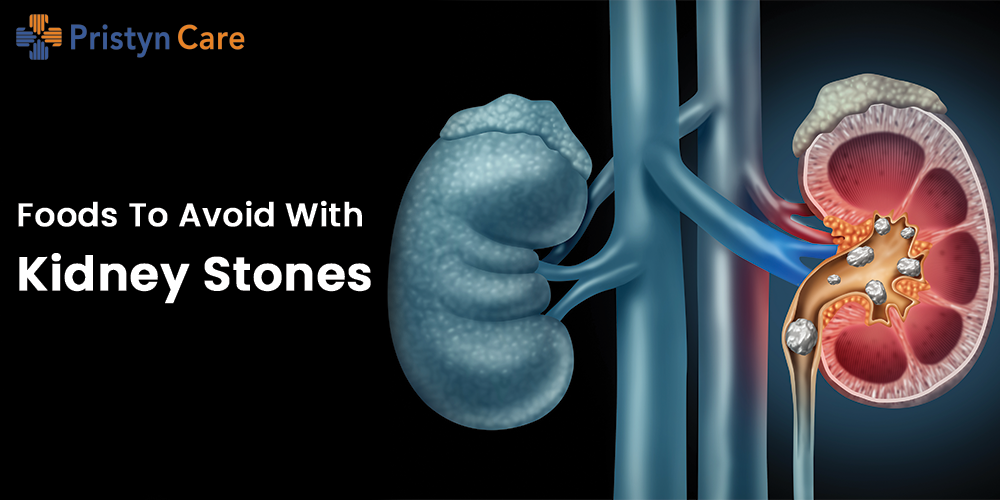
Kidney stones are hard deposits made of minerals and salts that form inside the kidneys when certain substances in the urine become highly concentrated and crystallize. Small kidney stones may pass naturally through the urinary tract, but larger stones can become stuck and cause severe pain, difficulty urinating, or other complications.
Also Read: 8 Signs that you have Kidney Stones

Your diet can play an important role in kidney stone prevention. The foods you should limit depend on the type of kidney stone you have. Calcium oxalate stones are the most common, while uric acid stones are another common type. If you are prone to kidney stones, maintaining adequate hydration and following an appropriate diet can help reduce the risk of developing new stones.
Learn more about the types of kidney stones.
Also Read: Woman complaining of lower back pain had two kidney stones
Table of Contents
Foods to Avoid or Limit When You Have Kidney Stones
There is no single diet that works for every person with kidney stones. Dietary recommendations should ideally be based on the type of stone, urine test results, and your overall health. However, some foods and drinks may increase the risk of stone formation when consumed excessively.
- High-oxalate foods:
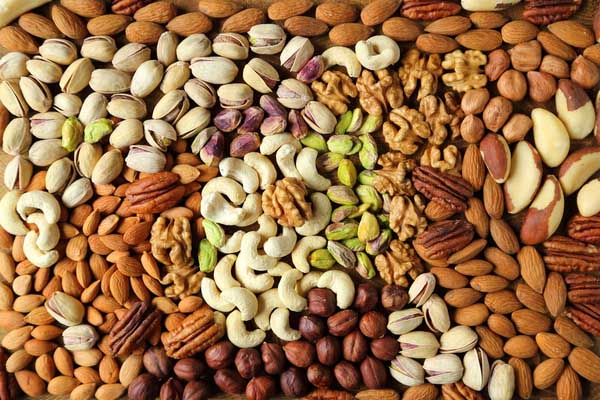
Foods such as spinach, almonds, peanuts, tree nuts, hazelnuts, okra, soy products, Swiss chard, sweet potatoes, beets, rhubarb, certain seeds, and bran products contain varying amounts of oxalate. If you are prone to calcium oxalate stones, your doctor may advise you to limit excessive consumption of high-oxalate foods.
You do not necessarily need to eliminate all calcium from your diet when you have calcium oxalate stones. Adequate dietary calcium can bind with oxalate in the digestive tract and may reduce the amount of oxalate absorbed into the bloodstream. Good dietary sources include milk, yogurt, and other calcium-rich foods. However, calcium supplements should only be taken when recommended by a healthcare professional.
- Berries and other foods containing oxalate:
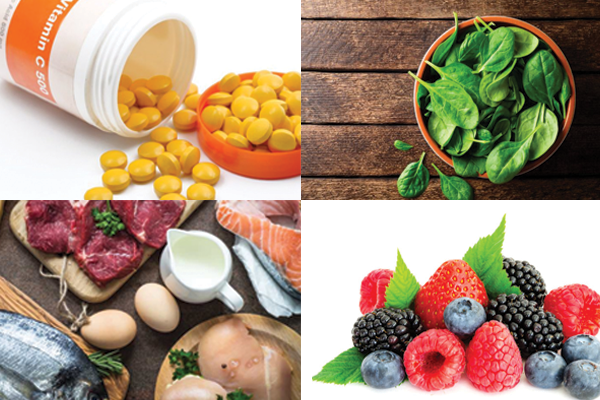
Some berries, including strawberries, raspberries, and blueberries, contain oxalates. They can still be part of a balanced diet for many people, but individuals with recurrent calcium oxalate stones may need individualized dietary advice about portion sizes and overall oxalate intake.
- Excess animal protein:
Eating large amounts of animal protein from foods such as beef, pork, mutton, fish, and eggs may increase the risk of certain kidney stones, particularly uric acid stones. Instead of consuming excessive amounts of animal protein, maintain moderate portions and include suitable plant-based protein sources such as beans, lentils, and legumes. - Processed and high-sodium foods:
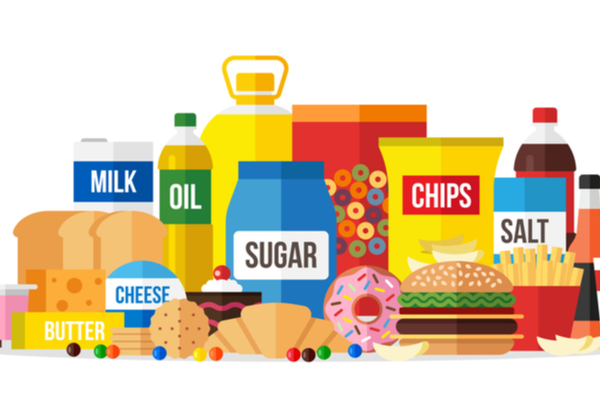
Packaged snacks, fast foods, processed meats, instant foods, and other foods high in sodium can increase the amount of calcium released into the urine. This may increase the risk of calcium-based kidney stones. Limiting salt and highly processed foods is therefore beneficial for people prone to kidney stones.

Foods and drinks high in added sugars may also contribute to kidney stone risk when consumed regularly or in excessive amounts. Limit sugary beverages, sweets, and highly processed foods, and choose water as your primary source of hydration.
Also Read: What Food Causes Kidney Stones?
- High-dose vitamin C supplements:
Large amounts of vitamin C from supplements can increase urinary oxalate in some people. You generally do not need to avoid vitamin C-rich fruits and vegetables, but avoid taking high-dose vitamin C supplements unless they have been recommended by your doctor. - Cola and sugary soft drinks:
Regular consumption of sugar-sweetened soft drinks, particularly cola, may be associated with a higher risk of kidney stones. Some soft drinks can also contribute significant amounts of added sugar. Water and other appropriate fluids are better choices for maintaining hydration.
- Calcium supplements:
Calcium supplements are not automatically harmful for everyone with kidney stones, but taking them without medical advice may not be appropriate. Dietary calcium is generally preferred. If you need calcium supplements, discuss the correct dose and timing with your doctor, particularly if you have a history of calcium-based kidney stones.
The right dietary approach depends on the type of kidney stone you have. A doctor may recommend urine and blood tests to identify factors that are increasing your risk and create a diet plan accordingly.
Foods and Drinks That May Help Prevent Kidney Stones
Along with limiting foods that may increase your risk, maintaining good hydration and following a balanced diet can support kidney stone prevention. Some dietary choices may be particularly helpful.
- Water:
Drinking enough water throughout the day helps dilute urine and reduces the concentration of substances that can form kidney stones. Your doctor can advise you about the appropriate fluid intake based on your health and stone history. - Calcium-rich foods:
Normal amounts of calcium from food can be beneficial for people prone to calcium oxalate stones. Calcium can bind with oxalate in the intestine and reduce its absorption. Do not unnecessarily eliminate calcium from your diet unless advised by a healthcare professional. - Citrus fruits:
Lemons and other citrus fruits contain citrate. Citrate can bind with calcium in urine and may help prevent certain types of kidney stones. However, lemon juice should not be considered a treatment that rapidly dissolves an existing kidney stone. - Home remedies:
Home remedies for kidney stones may include measures such as maintaining adequate hydration and making appropriate dietary changes. However, home remedies cannot reliably remove a large or obstructing kidney stone. - Lemon juice:
Lemon juice can be included as part of a healthy diet because it provides citrate. It may help reduce the risk of certain kidney stones, but it does not rapidly dissolve an existing stone. If a kidney stone is causing significant symptoms or obstruction, medical evaluation is important. - Banana stem:
Banana stem may be consumed as part of traditional dietary practices. However, there is insufficient clinical evidence to confirm that banana stem can cure or remove kidney stones.
Can Diet Remove an Existing Kidney Stone?
Diet and adequate fluid intake can help reduce the risk of developing new kidney stones and may support the natural passage of some small stones. However, dietary changes cannot reliably dissolve or remove every existing kidney stone.
The likelihood of a stone passing naturally depends on factors such as its size, location, and whether it is blocking urine flow. Larger stones or stones causing persistent symptoms may require medical treatment.
When Should You See a Doctor for Kidney Stones?
Seek medical attention if you experience severe or persistent pain, blood in the urine, difficulty passing urine, repeated vomiting, fever, chills, or symptoms that are getting worse. A blocked urinary tract accompanied by infection can become a medical emergency.
If you have recurrent kidney stones, a specialist can help determine why they are forming and recommend appropriate dietary, lifestyle, or medical treatment.
You can learn more about the best treatment options for kidney stones and discuss the appropriate approach with a qualified specialist.
Reach out to a specialist if your symptoms persist or you have been diagnosed with a kidney stone. Avoid making major dietary changes or taking supplements without discussing them with your doctor, especially if you have recurrent stones or other health conditions.
Also Read:
 Doctor available







 (4) (1).jpg/1682933853454_ban-Icon.png)
.jpeg/1777541472938_ban-Icon.png)