


 Views: 240
Early Signs of Jaundice and What They Indicate
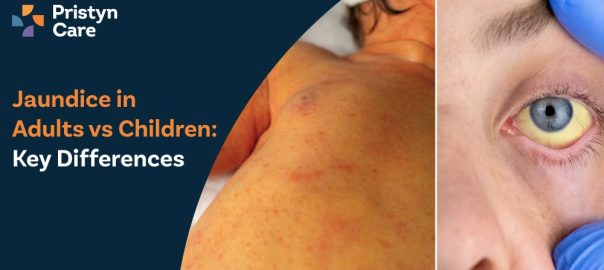
Jaundice is a condition that causes yellowing of the skin and eyes due to elevated levels of bilirubin in the blood. While it may start with subtle symptoms, early detection is important to identify underlying liver or blood-related issues.

Social share:


Dedicated Support at Every Step!
Our Doctors are available 24 hours a day, 7 days a week to help you!

Understanding the early signs of jaundice and what they indicate can help you seek timely medical care and prevent complications.
Table of Contents
What Is Jaundice?
Jaundice occurs when:
- Bilirubin builds up in the bloodstream
- The liver is unable to process or eliminate it effectively
It is not a disease itself, but a sign of an underlying condition.
No Cost EMI, Hassle-free Insurance Approval
Early Signs of Jaundice
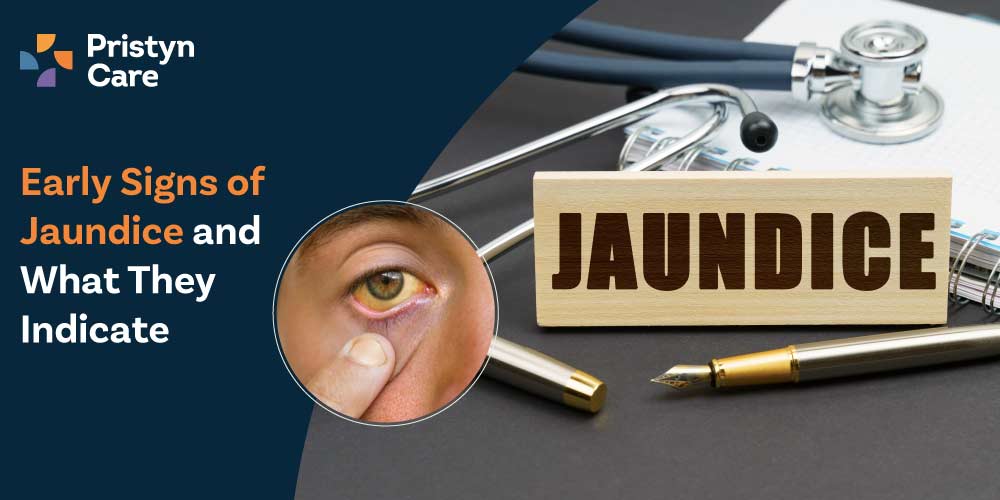
1. Yellowing of the Eyes (Sclera)
- One of the earliest and most noticeable signs
- Often appears before skin discoloration
2. Yellowing of the Skin
- Starts subtly and becomes more visible over time
- Usually noticed on the face and palms
3. Dark-Colored Urine
- Urine may appear deep yellow or brown
- Indicates excess bilirubin being excreted
4. Pale or Clay-Colored Stools
- Reduced bile reaching the intestines
- A key indicator of liver or bile duct issues
5. Fatigue and Weakness
- General feeling of low energy
- Common in liver-related conditions
6. Loss of Appetite
- Reduced desire to eat
- May be associated with nausea
7. Nausea or Vomiting
- Digestive discomfort
- Often seen in liver dysfunction
8. Itching (Pruritus)
- Caused by bile salts accumulating in the skin
- Can be persistent and bothersome
9. Abdominal Pain or Discomfort
- Especially in the upper right side
- May indicate liver inflammation or gallbladder issues
What Do These Signs Indicate?
Early signs of jaundice may point to:
1. Liver Disorders
- Hepatitis
- Fatty liver disease
- Liver inflammation or damage
2. Bile Duct Obstruction
- Gallstones
- Blockage preventing bile flow
3. Hemolytic Conditions
- Excess breakdown of red blood cells
- Leads to increased bilirubin production
4. Infections
- Viral infections affecting the liver
Who Is at Risk?
- Individuals with liver disease
- People with a history of alcohol use
- Those exposed to infections
- Newborns (physiological jaundice)
When Should You See a Doctor?
Seek medical attention if you notice:
- Yellowing of eyes or skin
- Dark urine or pale stools
- Persistent fatigue or nausea
- Abdominal pain
Early evaluation helps identify the cause and start appropriate treatment.
How Is Jaundice Diagnosed?
- Blood tests (bilirubin levels, liver function tests)
- Imaging tests (ultrasound, CT scan)
- Additional tests based on suspected cause
Can Jaundice Be Treated?
Treatment depends on the underlying cause:
- Medications for infections or liver conditions
- Procedures for bile duct blockage
- Supportive care and lifestyle changes


Final Thoughts
Jaundice is an important warning sign that should never be ignored. Early symptoms like yellowing of the eyes, dark urine, and fatigue often indicate underlying liver or bile-related problems.
Recognizing these signs early and seeking medical care can help prevent complications and ensure timely treatment.
Author:


Related Calculators

Dedicated Support at Every Step!
Our Doctors are available 24 hours a day, 7 days a week to help you!


