


 Views: 0
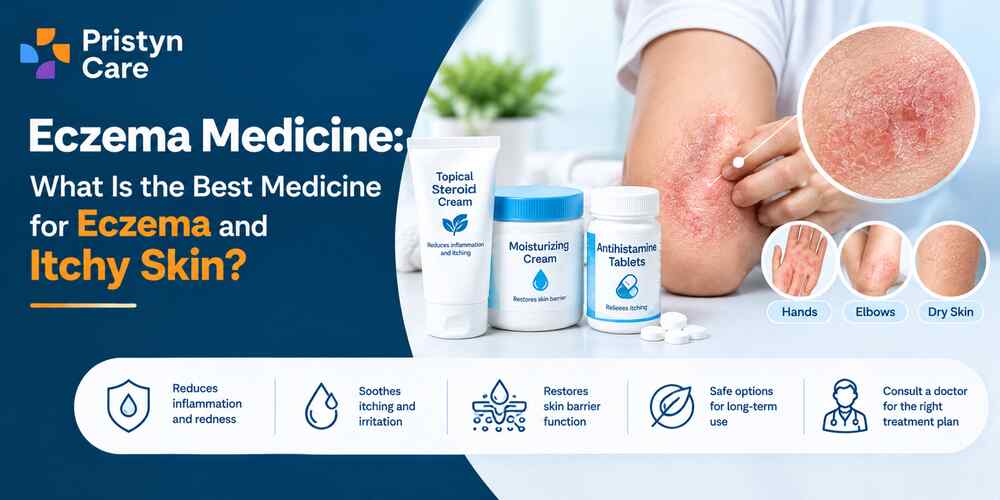
Eczema Medicine: What Is the Best Medicine for Eczema and Itchy Skin?
Eczema is a common skin condition that causes dry, itchy, inflamed, and irritated skin. It can affect the hands, face, arms, legs, body, and other areas, including sensitive areas such as the groin.



Dedicated Support at Every Step!
Our Doctors are available 24 hours a day, 7 days a week to help you!

People commonly search for the best medicine for eczema, eczema cure medicine, medicine for dry eczema, homeopathic medicine for eczema, or Ayurvedic medicine for eczema.
However, there is no single medicine that works best for every type of eczema. Treatment depends on the type of eczema, severity of symptoms, affected body area, age, triggers, and whether the skin has developed an infection.
Most treatment plans focus on restoring the skin barrier, reducing inflammation and itching, avoiding triggers, and treating infections or other complications when present.
Table of Contents
What Is Eczema?
Eczema is a group of inflammatory skin conditions that can cause:
- Dry skin
- Itching
- Redness
- Skin irritation
- Scaling
- Cracking
- Skin thickening from repeated scratching
- Small blisters in some types of eczema
- Oozing or crusting during flares
No Cost EMI, Hassle-free Insurance Approval
What Causes Eczema?
Eczema can have multiple contributing factors.
Common triggers and risk factors include:
- Dry skin
- Irritants such as soaps and detergents
- Allergens
- Fragrances and cosmetics
- Excessive sweating
- Heat
- Stress
- Certain fabrics
- Frequent hand washing
- Occupational exposure to chemicals
- Genetic tendency toward sensitive skin
- Skin-barrier dysfunction
In some people, a specific trigger may be difficult to identify.
Is There Any Medicine for Eczema?
Yes. Several types of medicines and treatments can help control eczema symptoms.
However, the appropriate treatment depends on the individual condition.
Treatment may include:
| Treatment | Main purpose |
| Moisturizers/emollients | Restore and protect the skin barrier |
| Topical corticosteroids | Reduce inflammation during flares |
| Topical calcineurin inhibitors | Control inflammation in selected areas |
| Anti-itch treatment | Help manage itching when appropriate |
| Antibiotics | Treat bacterial infection when present |
| Antiviral/antifungal treatment | Used when a specific infection is diagnosed |
| Oral medicines | Used in selected moderate-to-severe cases |
| Biologic medicines | Used for certain moderate-to-severe eczema cases |
| Phototherapy | May be considered for selected persistent eczema |
| Trigger avoidance | Helps reduce recurrent flares |
What Is the Best Medicine for Eczema?
There is no universal best medicine for eczema.
For mild eczema, regular moisturizing and appropriate topical treatment may be enough to control symptoms.
For moderate or severe eczema, a dermatologist may recommend stronger topical medicines, phototherapy, or systemic treatment.
The right medicine also depends on where the eczema occurs. For example, treatment suitable for thick skin on the hands may not be appropriate for delicate skin around the eyes or genitals.
Medicine for Dry Eczema
Dry eczema usually involves:
- Rough skin
- Flaking
- Tightness
- Itching
- Redness or irritation
Depending on the severity, a doctor may also prescribe an anti-inflammatory topical medicine during flares.
Helpful skin-care measures include:
- Using a gentle, fragrance-free cleanser
- Applying moisturizer regularly
- Avoiding very hot showers
- Avoiding harsh soaps
- Keeping nails short
- Avoiding scratching
- Using protective gloves when appropriate for hand eczema
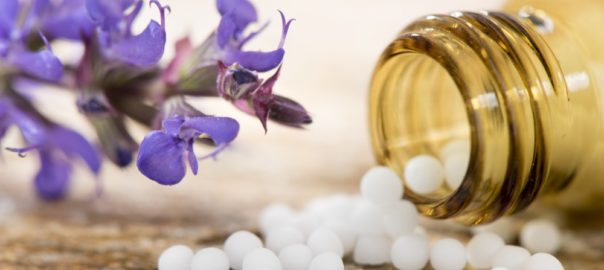
Homeopathic Medicine for Eczema
People often search for homeo medicine for eczema, homeopathic medicine for dry eczema, or homeopathic medicine for eczema and itchy skin.
However, there is no good-quality scientific evidence that homeopathic medicines can reliably cure eczema or eliminate the underlying inflammatory skin condition.
Eczema can sometimes improve and flare again naturally, which can make it appear that a particular treatment has permanently cured the condition.
If you choose to use complementary treatment, discuss it with a qualified healthcare professional and do not stop prescribed eczema treatment without medical advice.
Best Homeopathic Medicine for Eczema
There is no scientifically established best homeopathic medicine for eczema.
Different homeopathic products may be marketed for different eczema symptoms, but they should not be relied upon as a replacement for proven treatment, particularly when the skin is severely inflamed, infected, cracked, or bleeding.
Ayurvedic Medicine for Eczema
Ayurvedic medicine is another commonly searched treatment option for eczema.
Ayurvedic approaches may include herbal preparations, dietary changes, oils, or other traditional treatments.
However, there is currently no single Ayurvedic medicine proven to permanently cure all types of eczema.
Some herbal products can also cause skin irritation or allergic reactions, and applying untested preparations to inflamed or broken skin may make symptoms worse.
If you are considering Ayurvedic treatment, consult a qualified practitioner and inform your dermatologist about all products you are using.
Best Ayurvedic Medicine for Eczema
There is no universally proven best Ayurvedic medicine for eczema.
Searches for specific brands or products, including Patanjali Ayurvedic medicine for eczema, should not be interpreted as evidence that a particular product can cure eczema.
If an herbal or Ayurvedic product is used, it should be selected carefully and should not delay appropriate dermatological treatment.
Eczema Medicine Tablet
Tablets may be prescribed for some people with moderate-to-severe or difficult-to-control eczema.
Depending on the situation, treatment may include:
- Oral corticosteroids in selected circumstances
- Immunosuppressive medicines
- Oral JAK inhibitors
- Other systemic medicines
- Antibiotics when a bacterial infection is diagnosed
- Other prescription medicines selected by a dermatologist
Systemic eczema medicines require medical supervision because they can have significant side effects and may require monitoring.
You should not start an eczema tablet simply because it is advertised as a "strong" or "fast" treatment.
Can Antihistamine Tablets Cure Eczema?
Antihistamines may sometimes be recommended for specific itching-related situations, but they do not cure the underlying eczema.
Some sedating antihistamines may help certain people sleep when itching is disturbing their sleep, but they should be used only when appropriate.
Controlling eczema inflammation and repairing the skin barrier remain important.
Medicine for Eczema on Hands
Hand eczema can be particularly difficult to manage because the hands are exposed to water, soaps, detergents, chemicals, and friction.
Treatment may include:
- Frequent use of moisturizer
- Avoiding irritants
- Protective gloves where appropriate
- Prescription anti-inflammatory creams or ointments
- Treatment of contact allergies when identified
- Treatment of infection if present
- Other dermatological treatments for persistent disease
If hand eczema repeatedly cracks, bleeds, or interferes with work, medical evaluation is recommended.
 Doctor available
4.5/5

48+ Years Experience Overall
Doctor available
MBBS, Diploma in Radio Diagnosis & MD-TB & Respiratory Diseases
₹1200₹600Consultation Fee
4.5/5
47+ Years Experience Overall
Doctor available
4.5/5
45+ Years Experience Overall
Doctor available
4.5/5
45+ Years Experience Overall
Doctor available
5.0/5
44+ Years Experience Overall
Doctor available
MBBS, Diploma in Ophthalmologist, MS-Ophthalmologist
₹1200₹600Consultation Fee
4.5/5
43+ Years Experience Overall
Doctor available
4.5/5
42+ Years Experience Overall
Doctor available
4.5/5
42+ Years Experience Overall
Doctor available
4.5/5
41+ Years Experience Overall
Doctor available
4.5/5
41+ Years Experience Overall
Dyshidrotic Eczema Medicine
Dyshidrotic eczema, also called pompholyx, commonly causes small, intensely itchy blisters on the palms, sides of the fingers, or soles of the feet.
Treatment may involve:
- Moisturizers
- Topical corticosteroids
- Cold compresses for symptomatic relief
- Avoidance of identified triggers
- Treatment of secondary infection if present
- Phototherapy or systemic treatment for persistent or severe cases
A dermatologist may also investigate whether contact allergy, fungal infection, or another skin condition is contributing to recurrent symptoms.
Scrotal Eczema Medicine
Eczema can affect the skin around the groin and scrotum, but not every itchy rash in this area is eczema.
Other conditions can cause similar symptoms, including:
- Fungal infections
- Contact dermatitis
- Psoriasis
- Bacterial infections
- Sexually transmitted infections
- Other inflammatory skin disorders
Avoid using strong steroid creams, combination creams, antifungal medicines, or other products on the scrotum without appropriate medical advice.
A dermatologist should evaluate persistent, recurrent, painful, or unexplained scrotal itching or rash.
Can Eczema Be Cured Permanently With Medicine?
There is currently no medicine that guarantees a permanent cure for every type of eczema.
Treatment aims to:
- Control inflammation
- Reduce itching
- Repair the skin barrier
- Prevent infections
- Reduce flare-ups
- Improve quality of life
- Identify and avoid triggers
Some people experience long periods with few or no symptoms, while others have recurrent flares requiring ongoing management.
Why Does Eczema Keep Coming Back?
Eczema may return because the underlying tendency toward skin-barrier dysfunction and inflammation can persist.
Common flare triggers include:
- Dry weather
- Heat
- Sweating
- Stress
- Soaps and detergents
- Fragrances
- Allergens
- Certain fabrics
- Repeated exposure to irritants
- Scratching
Identifying and controlling triggers can be as important as treating the flare itself.
Can Eczema Be Treated Without Medicine?
Mild eczema may sometimes improve significantly with proper skin care and trigger avoidance.
Helpful measures include:
Moisturize Regularly
Use a suitable moisturizer frequently, particularly after bathing.
Avoid Harsh Products
Choose gentle, fragrance-free products where possible.
Take Short, Lukewarm Baths
Hot water can worsen dryness and irritation.
Avoid Scratching
Scratching can damage the skin and increase the risk of infection.
Identify Triggers
Keep track of products, foods, environmental exposures, or activities that appear to trigger flares.
Protect Your Hands
If you have hand eczema, reduce unnecessary exposure to detergents, chemicals, and prolonged water contact.
Can Eczema Be Completely Cured?
Eczema can often be controlled very effectively, but complete permanent cure is not guaranteed.
The goal is to keep the skin healthy, reduce flare-ups, control inflammation, and identify triggers.
If symptoms are frequent or severe despite treatment, a dermatologist can assess whether the diagnosis is correct and whether a different treatment approach is required.
When Should You See a Dermatologist?
Consult a dermatologist if:
- Eczema is spreading
- Itching is severe
- Symptoms interfere with sleep
- Skin is cracking or bleeding
- The condition repeatedly comes back
- Over-the-counter products are not helping
- The rash affects the hands and interferes with work
- Genital or scrotal skin is affected
- The skin becomes painful or warm
- Pus or yellow crust develops
- You develop fever
- The diagnosis is uncertain
Is Eczema Dangerous?
Eczema itself is usually not life-threatening, but severe or poorly controlled eczema can significantly affect quality of life.
Complications may include:
- Bacterial skin infection
- Viral infection
- Fungal infection
- Skin thickening
- Persistent itching
- Sleep disturbance
- Skin cracks and bleeding
- Emotional distress
If eczema suddenly becomes painful, develops pus, rapidly worsens, or is accompanied by fever, medical evaluation is important.
Eczema Medicine vs Other Treatments
| Treatment | Main role | Suitable for everyone? |
| Moisturizer/emollient | Supports skin barrier | Usually an important part of care |
| Topical corticosteroid | Reduces inflammation | Depends on site and severity |
| Topical calcineurin inhibitor | Controls inflammation | Selected patients |
| Oral medicine | Controls moderate-to-severe disease | Requires medical supervision |
| Biologic/JAK inhibitor | Advanced treatment for selected eczema | Specialist evaluation required |
| Phototherapy | Controls persistent eczema | Selected patients |
| Ayurvedic medicine | Complementary/traditional approach | Should not replace proven treatment |
| Homeopathy | Alternative approach | Not proven to cure eczema |
How Long Does Eczema Take to Improve With Medicine?
The time required for improvement varies depending on:
- Type of eczema
- Severity
- Location
- Duration of the flare
- Trigger exposure
- Infection
- Treatment used
- Individual response
Some mild flares may improve relatively quickly with appropriate treatment, while chronic or severe eczema may require longer-term management.
If eczema is not improving despite treatment, the diagnosis and treatment plan may need to be reassessed.
Can You Prevent Eczema Flare-Ups?
You may be able to reduce flare-ups by:
- Moisturizing consistently
- Avoiding known triggers
- Using gentle skin-care products
- Avoiding excessive heat
- Keeping showers lukewarm
- Wearing comfortable, breathable clothing
- Managing stress
- Following your dermatologist's treatment plan
- Treating infections promptly
Frequently Asked Questions
What is the best medicine for eczema?
There is no single best medicine for everyone with eczema. Treatment depends on the type, severity, location, and cause of the eczema.
Is there any medicine to cure eczema permanently?
There is no medicine that guarantees a permanent cure for every form of eczema. Treatment focuses on controlling inflammation, repairing the skin barrier, reducing itching, and preventing flares.
What is the best medicine for dry eczema?
Moisturizers and emollients are an important part of managing dry eczema. A dermatologist may also prescribe an anti-inflammatory topical medicine during flares.
Which medicine is best for eczema and itchy skin?
Treatment depends on the cause and severity. Moisturizers help repair the skin barrier, while prescription anti-inflammatory medicines may be needed to control an eczema flare.
Can homeopathic medicine cure eczema?
Homeopathic medicines have not been shown to reliably cure eczema. They should not replace appropriate dermatological treatment.
What is the best homeopathic medicine for eczema?
There is no scientifically established best homeopathic medicine for eczema. Persistent eczema should be evaluated and treated appropriately rather than relying exclusively on homeopathy.
Can Ayurvedic medicine cure eczema?
There is no single Ayurvedic medicine proven to permanently cure all forms of eczema. Ayurvedic products should not replace evidence-based dermatological treatment.
What is the best Ayurvedic medicine for eczema?
There is no universally established Ayurvedic medicine that can reliably cure eczema. If you choose an Ayurvedic product, discuss it with your healthcare professional first.
What medicine is used for dyshidrotic eczema?
Dyshidrotic eczema may be treated with moisturizers, topical corticosteroids, trigger avoidance, and other treatments depending on severity. Persistent cases may require specialist treatment.
What medicine can be used for eczema on the hands?
Hand eczema is commonly managed with moisturizers, avoidance of irritants, and appropriate prescription topical treatment. Severe or persistent cases may require additional treatment.
What medicine is used for scrotal eczema?
Because several conditions can cause an itchy scrotal rash, the cause should be confirmed before treatment. Strong steroid or combination creams should not be used on genital skin without medical advice.
Can eczema go away on its own?
Mild eczema may sometimes improve, but recurrent or persistent eczema often requires proper skin care and treatment. A persistent rash should be evaluated to confirm the diagnosis.
Is eczema contagious?
Most forms of eczema are not contagious and cannot spread from one person to another through normal contact.
Can eczema turn into an infection?
Yes. Scratching and damage to the skin barrier can allow bacteria, viruses, or fungi to infect the affected skin.


Conclusion
Searching for the best eczema medicine can be confusing because eczema is not one single condition and different types can require different treatments.
Moisturizers and appropriate skin care form an important foundation of treatment, while topical anti-inflammatory medicines, tablets, biologic medicines, phototherapy, or other treatments may be required depending on the severity.
If eczema is severe, recurrent, infected, affecting the hands or genitals, or not improving with basic skin care, consult a dermatologist to confirm the diagnosis and choose the right treatment.
Medical Disclaimer: This information is provided for general educational purposes only and should not be considered a substitute for professional medical diagnosis or treatment. Do not start, stop, or change prescription medicines, steroid creams, tablets, Ayurvedic products, or homeopathic medicines without consulting a qualified healthcare professional.
Social share:



Related Calculators

Dedicated Support at Every Step!
Our Doctors are available 24 hours a day, 7 days a week to help you!


