


 Views: 11
How Chronic Anxiety Impacts Physical Health
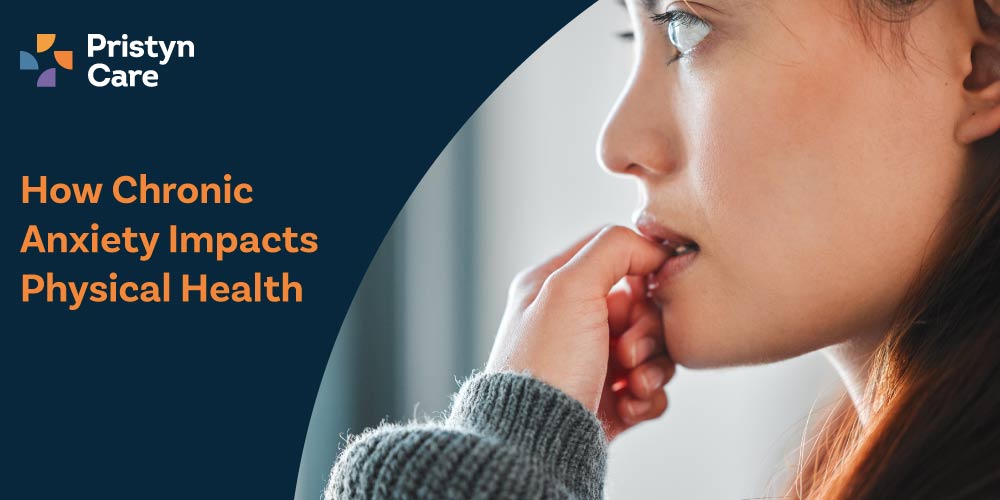
Chronic anxiety is more than a mental health concern—it can have significant effects on physical health when it persists over time. While occasional anxiety is a normal response to stress, long-term anxiety can disrupt multiple systems in the body.


Social share:


Dedicated Support at Every Step!
Our Doctors are available 24 hours a day, 7 days a week to help you!

Understanding how chronic anxiety impacts physical health is important for early intervention and overall well-being.
Table of Contents
What Is Chronic Anxiety?
Chronic anxiety refers to:
- Persistent and excessive worry
- Ongoing feelings of fear or unease
- Symptoms lasting for weeks, months, or longer
It often continues even without a clear or immediate trigger.
No Cost EMI, Hassle-free Insurance Approval
How Anxiety Affects the Body
Anxiety activates the body’s fight-or-flight response, leading to:
- Increased heart rate
- Release of stress hormones (like cortisol)
- Heightened alertness
When this response is prolonged, it can negatively affect physical health.
Physical Health Effects of Chronic Anxiety
1. Cardiovascular Problems
- Increased heart rate and blood pressure
- Higher risk of heart disease over time
2. Digestive Issues
- Stomach pain, bloating, or nausea
- Conditions like acid reflux or irritable bowel symptoms
3. Weakened Immune System
- Frequent infections
- Slower recovery from illness
4. Chronic Fatigue
- Constant tiredness despite rest
- Low energy levels
5. Muscle Tension and Pain
- Tightness in neck, shoulders, and back
- Headaches and body aches
6. Sleep Disturbances
- Difficulty falling or staying asleep
- Poor-quality sleep
7. Breathing Difficulties
- Shortness of breath
- Rapid or shallow breathing
8. Hormonal Imbalance
- Disruption in normal hormone levels
- Can affect metabolism and reproductive health
9. Skin Problems
- Acne, eczema, or other skin flare-ups
- Delayed healing
Long-Term Health Risks
If chronic anxiety is not managed, it can contribute to:
- High blood pressure
- Heart disease
- Gastrointestinal disorders
- Depression and other mental health conditions
When Should You Be Concerned?
Seek medical advice if:
- Physical symptoms persist without a clear cause
- Anxiety interferes with daily activities
- Sleep and appetite are consistently affected
- Symptoms worsen over time
How to Manage Chronic Anxiety
1. Lifestyle Modifications
- Regular exercise
- Balanced diet
- Consistent sleep schedule
2. Stress Management Techniques
- Meditation and mindfulness
- Deep breathing exercises
3. Professional Support
- Counseling or therapy
- Medications if prescribed
4. Social Support
- Talking to friends or family
- Seeking emotional support
Why Early Management Matters
Addressing anxiety early can:
- Prevent physical health complications
- Improve quality of life
- Reduce dependence on medications


Final Thoughts
Chronic anxiety affects both the mind and the body. Persistent stress responses can lead to a wide range of physical health issues, from heart problems to digestive disturbances.
Recognizing the connection between mental and physical health is the first step toward effective management. With the right approach, including lifestyle changes and professional support, chronic anxiety can be controlled and its impact on physical health minimized.
Author:


Related Calculators

Dedicated Support at Every Step!
Our Doctors are available 24 hours a day, 7 days a week to help you!


