


 Views: 683
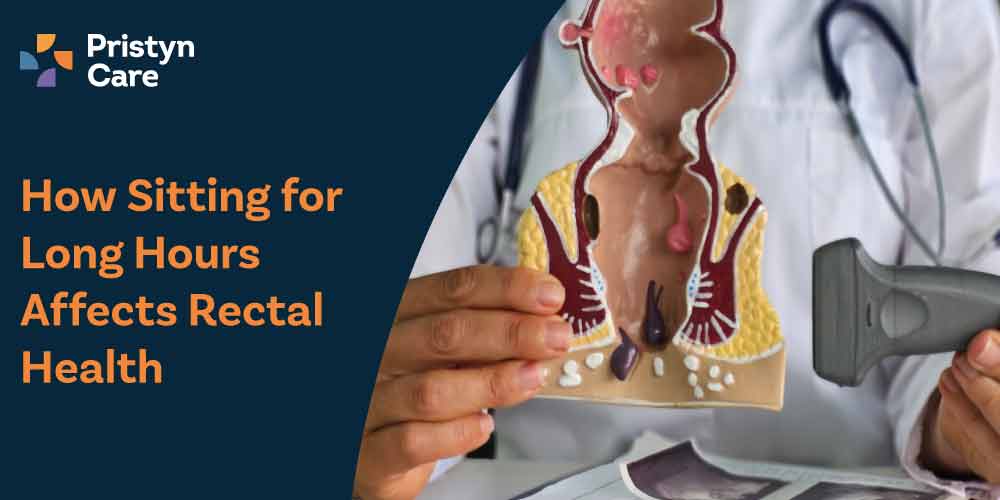
How Sitting for Long Hours Affects Rectal Health




Dedicated Support at Every Step!
Our Doctors are available 24 hours a day, 7 days a week to help you!

Understanding how prolonged sitting affects the body can help individuals take preventive steps early and reduce the risk of chronic rectal discomfort.
Table of Contents
Why Prolonged Sitting Impacts Rectal Health
When a person sits continuously for long periods, especially on hard or poorly cushioned surfaces, pressure builds around the pelvic floor, rectum, and anal veins. Reduced movement can also slow digestion and blood circulation in the lower body. Over time, this combination may contribute to irritation, swelling, poor bowel habits, and strain during bowel movements.
Sedentary behavior can also weaken pelvic muscles and affect gastrointestinal function, making rectal problems more likely to develop or worsen.
No Cost EMI, Hassle-free Insurance Approval
Common Rectal Health Problems Linked to Long Sitting Hours
1. Hemorrhoids
Hemorrhoids are swollen veins in the lower rectum or anus. They are among the most common conditions associated with prolonged sitting.
Long sitting hours can:
- Increase pressure on rectal veins
- Reduce blood circulation in the anal region
- Worsen existing hemorrhoids
- Trigger pain, itching, or swelling
People with desk jobs, drivers, gamers, and individuals working remotely may experience a higher risk of hemorrhoid flare-ups, especially if they also suffer from constipation.
2. Constipation
Physical movement plays a major role in maintaining healthy bowel function. Sitting for extended periods can slow intestinal movement, making stools harder and more difficult to pass.
Constipation may lead to:
- Straining during bowel movements
- Rectal pain
- Bleeding
- Increased risk of hemorrhoids and fissures
Low water intake and inadequate fiber consumption often worsen the issue.
3. Anal Fissures
Anal fissures are small tears in the lining of the anus. They are commonly caused by passing hard stools or excessive straining.
Prolonged sitting combined with constipation can contribute to:
- Pain during bowel movements
- Burning sensation
- Bright red bleeding
- Muscle spasms around the anus
Ignoring early symptoms may lead to chronic fissures that require medical treatment.
4. Rectal Pressure and Discomfort
Continuous sitting places direct pressure on the pelvic and rectal area. Many individuals experience:
- A feeling of heaviness in the rectum
- Numbness or discomfort after sitting
- Anal soreness
- Pelvic tightness
This discomfort can become more noticeable in people who already have inflammatory bowel conditions or pelvic floor dysfunction.
5. Pilonidal Disease
Although not directly a rectal condition, pilonidal disease affects the area near the tailbone and can become aggravated by prolonged sitting.
Common symptoms include:
- Pain near the buttock crease
- Swelling or redness
- Drainage from cysts
- Difficulty sitting comfortably
People who sit for many hours daily are more prone to recurrence.
How Poor Circulation Contributes to Rectal Problems
Healthy blood flow is essential for tissue repair and vein function. Long sitting hours reduce circulation in the lower body, which may contribute to:
- Swollen anal veins
- Delayed healing of fissures
- Increased inflammation
- Pelvic congestion
Poor circulation may also worsen symptoms in individuals with chronic rectal conditions.
Warning Signs You Should Not Ignore
Rectal symptoms are often ignored due to embarrassment, but early evaluation can prevent complications.
Seek medical advice if you experience:
- Persistent rectal pain
- Bleeding during bowel movements
- A lump near the anus
- Severe itching or burning
- Chronic constipation
- Difficulty sitting comfortably
- Mucus discharge or swelling
Any rectal bleeding should be evaluated by a healthcare professional to rule out serious conditions.
Who Is at Higher Risk?
Certain individuals are more likely to develop rectal health issues from prolonged sitting:
- Office workers
- IT professionals
- Truck and cab drivers
- Gamers
- Students studying long hours
- Remote workers
- Individuals with obesity
- Pregnant women
- People with chronic constipation
Lifestyle habits significantly influence the severity and frequency of symptoms.
Practical Tips to Protect Rectal Health While Sitting
Take Frequent Movement Breaks
Standing and walking every 30–60 minutes can improve circulation and reduce pressure on the rectal region.
Simple activities include:
- Stretching
- Short walks
- Light mobility exercises
- Climbing stairs
Even brief movement sessions can make a noticeable difference.
Improve Sitting Posture
Maintaining proper posture helps distribute pressure more evenly.
Helpful posture adjustments include:
- Keeping feet flat on the floor
- Avoiding slouching
- Using ergonomic chairs
- Supporting the lower back
A seat cushion may help reduce pressure around the anal area.
Stay Hydrated
Adequate hydration keeps stools softer and easier to pass.
Most adults benefit from drinking sufficient water throughout the day, especially those with sedentary jobs.
Increase Fiber Intake
A fiber-rich diet supports healthy digestion and reduces constipation risk.
Good fiber sources include:
- Fruits
- Vegetables
- Whole grains
- Oats
- Seeds and legumes
Gradually increasing fiber intake helps avoid bloating.
Avoid Delaying Bowel Movements
Ignoring the urge to pass stool can worsen constipation and increase straining.
Establishing a regular bowel routine may support better rectal health.
Exercise Regularly
Physical activity stimulates bowel movement and improves circulation.
Beneficial exercises include:
- Walking
- Yoga
- Swimming
- Cycling
- Core strengthening exercises
Even moderate activity performed consistently can help reduce symptoms.
Can Standing Desks Help?
Standing desks may help reduce the amount of continuous sitting during work hours. Alternating between sitting and standing can decrease pressure on the pelvic region and encourage better circulation.
However, prolonged standing without movement can also create strain. The ideal approach is regular posture changes combined with movement throughout the day.
 Doctor available
4.5/5

31+ Years Experience Overall
Doctor available
5.0/5
30+ Years Experience Overall
Doctor available
4.5/5
25+ Years Experience Overall
Doctor available
4.5/5
23+ Years Experience Overall
Doctor available
4.5/5
17+ Years Experience Overall
Doctor available
4.5/5
15+ Years Experience Overall
Doctor available
4.5/5
15+ Years Experience Overall
Doctor available
4.5/5
14+ Years Experience Overall
Doctor available
5.0/5
13+ Years Experience Overall
Doctor available
4.5/5
13+ Years Experience Overall
Doctor available
5.0/5
12+ Years Experience Overall
Doctor available
5.0/5
27+ Years Experience Overall
Doctor available
4.5/5
27+ Years Experience Overall
Doctor available.jpg/1681796287744_ban-Icon.png)
4.9/5
25+ Years Experience Overall
Doctor available
4.6/5
24+ Years Experience Overall
Doctor available
4.5/5
24+ Years Experience Overall
Doctor available
MBBS, DNB( General Surgery) MNAMS, FMAS, FIAGES, FAIS
₹1200₹600Consultation Fee
4.5/5
24+ Years Experience Overall
Doctor available
4.7/5
23+ Years Experience Overall
Doctor available
4.5/5
23+ Years Experience Overall
Doctor available
4.5/5
23+ Years Experience Overall
Doctor available
4.7/5
22+ Years Experience Overall
Doctor available
5.0/5
22+ Years Experience Overall
Doctor available
4.5/5
21+ Years Experience Overall
Doctor available
4.5/5
21+ Years Experience Overall
Doctor available
4.7/5
20+ Years Experience Overall
Doctor available
4.5/5
20+ Years Experience Overall
Doctor available
5.0/5
20+ Years Experience Overall
Doctor available
4.9/5
20+ Years Experience Overall
Doctor available
MBBS, DNB-General Surgery, FMAS, FCLS, FLHS, FICS, FIAGES, MCLS, MNAMS,
FREEConsultation Fee
5.0/5
19+ Years Experience Overall
Doctor available
4.5/5
19+ Years Experience Overall
Doctor available
4.8/5
17+ Years Experience Overall
Doctor available
5.0/5
17+ Years Experience Overall
Doctor available
4.9/5
17+ Years Experience Overall
Doctor available
5.0/5
17+ Years Experience Overall
Doctor available
5.0/5
17+ Years Experience Overall
Doctor available
5.0/5
16+ Years Experience Overall
Doctor available
4.5/5
16+ Years Experience Overall
Doctor available
4.8/5
16+ Years Experience Overall
Doctor available
5.0/5
16+ Years Experience Overall
Doctor available
4.5/5
16+ Years Experience Overall
Doctor available
4.6/5
15+ Years Experience Overall
Doctor available
4.9/5
15+ Years Experience Overall
Doctor available
4.5/5
15+ Years Experience Overall
Doctor available
4.5/5
15+ Years Experience Overall
Doctor available
4.9/5
14+ Years Experience Overall
Doctor available.jpg/1679651251511_ban-Icon.png)
5.0/5
14+ Years Experience Overall
Doctor available
4.5/5
14+ Years Experience Overall
Doctor available
5.0/5
13+ Years Experience Overall
Doctor available
4.6/5
13+ Years Experience Overall
Doctor available
4.5/5
13+ Years Experience Overall
Doctor available
4.5/5
13+ Years Experience Overall
Doctor available
5.0/5
13+ Years Experience Overall
Doctor available
5.0/5
13+ Years Experience Overall
Doctor available
4.5/5
12+ Years Experience Overall
Doctor available
4.8/5
12+ Years Experience Overall
Doctor available
4.8/5
12+ Years Experience Overall
Doctor available
MBBS, M.S.(Gen. Surgery), DNB (Gen. Surgery), F.MAS, D.MAS, FAIS, FALS, FIAGES
₹1200₹600Consultation Fee
4.5/5
12+ Years Experience Overall
Doctor available.jpg/1681109066874_ban-Icon.png)
4.9/5
12+ Years Experience Overall
Doctor available
4.5/5
12+ Years Experience Overall
Doctor available
4.5/5
12+ Years Experience Overall
Doctor available
4.5/5
12+ Years Experience Overall
Doctor available.jpg/1685814002647_ban-Icon.png)
4.9/5
11+ Years Experience Overall
Doctor available
4.5/5
11+ Years Experience Overall
Doctor available
4.5/5
11+ Years Experience Overall
Doctor available
5.0/5
11+ Years Experience Overall
Doctor available
4.5/5
10+ Years Experience Overall
Doctor available
5.0/5
10+ Years Experience Overall
Doctor available
4.5/5
9+ Years Experience Overall
Doctor available
4.5/5
8+ Years Experience Overall
Doctor available
4.5/5
8+ Years Experience Overall
Doctor available
4.5/5
27+ Years Experience Overall
Doctor available
4.5/5
27+ Years Experience Overall
Doctor available
4.5/5
26+ Years Experience Overall
Doctor available
4.5/5
26+ Years Experience Overall
Doctor available
5.0/5
24+ Years Experience Overall
 Doctor available
4.5/5
21+ Years Experience Overall
Doctor available
4.5/5
21+ Years Experience Overall
Doctor available
5.0/5
21+ Years Experience Overall
Doctor available
4.5/5
20+ Years Experience Overall
Doctor available
4.5/5
20+ Years Experience Overall
Doctor available
4.5/5
19+ Years Experience Overall
Doctor available
4.5/5
18+ Years Experience Overall
Doctor available
4.9/5
18+ Years Experience Overall
Doctor available
4.5/5
15+ Years Experience Overall
Doctor available
Dr. Penmetsa Bhanu Prakash Raju
MBBS, MS-General Surgery, FNB-Minimal Acess Surgery
₹1200₹600Consultation Fee
4.5/5
15+ Years Experience Overall
Doctor available
4.9/5
14+ Years Experience Overall
Doctor available
4.5/5
14+ Years Experience Overall
Doctor available
4.5/5
14+ Years Experience Overall
Doctor available
4.5/5
14+ Years Experience Overall
Doctor available
5.0/5
14+ Years Experience Overall
Doctor available%20(1).png/1742636902782_ban-Icon.png)
4.5/5
13+ Years Experience Overall
Doctor available
5.0/5
13+ Years Experience Overall
Doctor available
4.9/5
13+ Years Experience Overall
Doctor available
4.5/5
13+ Years Experience Overall
Doctor available
4.5/5
12+ Years Experience Overall
Doctor available
4.5/5
11+ Years Experience Overall
Doctor available
4.5/5
10+ Years Experience Overall
Doctor available
4.5/5
10+ Years Experience Overall
Doctor available
4.5/5
9+ Years Experience Overall
Doctor available
4.5/5
7+ Years Experience Overall
The Connection Between Obesity and Rectal Health
Excess body weight increases pressure within the abdomen and pelvic veins. Combined with prolonged sitting, obesity may significantly raise the risk of:
- Hemorrhoids
- Constipation
- Rectal discomfort
- Pelvic floor weakness
Weight management through balanced nutrition and exercise can improve overall digestive and rectal health.
When to See a Doctor
While mild symptoms may improve with lifestyle changes, persistent or severe symptoms require medical evaluation.
Consult a healthcare provider if:
- Rectal bleeding continues
- Pain becomes severe
- Symptoms interfere with daily activities
- Constipation lasts for weeks
- You notice unusual swelling or discharge
Early diagnosis allows timely treatment and helps prevent complications.
Medical Treatments for Rectal Conditions
Treatment depends on the underlying cause and severity.
Common medical approaches may include:
- Dietary modifications
- Stool softeners
- Topical creams or ointments
- Sitz baths
- Medications for inflammation
- Minimally invasive hemorrhoid procedures
- Surgery in severe cases
A colorectal specialist may recommend further testing if symptoms persist.

Free Piles Surgery Cost Calculator

Our care coordinator will call you shortly.
Long-Term Lifestyle Habits for Better Rectal Health
Maintaining rectal health involves consistent daily habits.
Key preventive strategies include:
- Avoid sitting continuously for long hours
- Stay physically active
- Eat a high-fiber diet
- Drink enough water
- Maintain healthy body weight
- Practice good bathroom habits
- Address constipation early
Small adjustments in daily routine can significantly reduce the risk of chronic rectal discomfort.
Frequently Asked Questions (FAQs)
Can sitting too long cause hemorrhoids?
Prolonged sitting can increase pressure on rectal veins, which may contribute to hemorrhoids or worsen existing symptoms.
How often should I stand up during work?
Experts generally recommend standing or moving every 30–60 minutes to improve circulation and reduce pelvic pressure.
Does prolonged sitting cause constipation?
A sedentary lifestyle can slow bowel movement activity and increase the likelihood of constipation.
Is rectal pain from sitting always serious?
Not always, but persistent pain, bleeding, or swelling should be medically evaluated to identify the underlying cause.
What is the best sitting position for rectal health?
Sitting with proper posture, lower back support, and even weight distribution can help reduce pressure on the rectal area.
Conclusion
Long hours of sitting can have a significant impact on rectal health, increasing the risk of hemorrhoids, constipation, fissures, and pelvic discomfort. Sedentary habits combined with poor diet, dehydration, and lack of movement can further worsen symptoms over time.
Fortunately, simple lifestyle changes such as regular movement, proper hydration, improved posture, and a fiber-rich diet can help protect rectal health and improve overall well-being. Recognizing early symptoms and seeking timely medical care when needed can prevent minor issues from becoming chronic conditions.


SEO Keywords Included Naturally
- how sitting affects rectal health
- prolonged sitting hemorrhoids
- rectal pain from sitting
- constipation from sitting too long
- hemorrhoids and desk jobs
- rectal discomfort causes
- anal fissures and constipation
- sedentary lifestyle digestive health
- pelvic pressure from sitting
- prevention of hemorrhoids
Social share:






Related Calculators

Dedicated Support at Every Step!
Our Doctors are available 24 hours a day, 7 days a week to help you!
Related Calculators
Get In Touch with our expert doctors !
- please enter 10 digit number.


