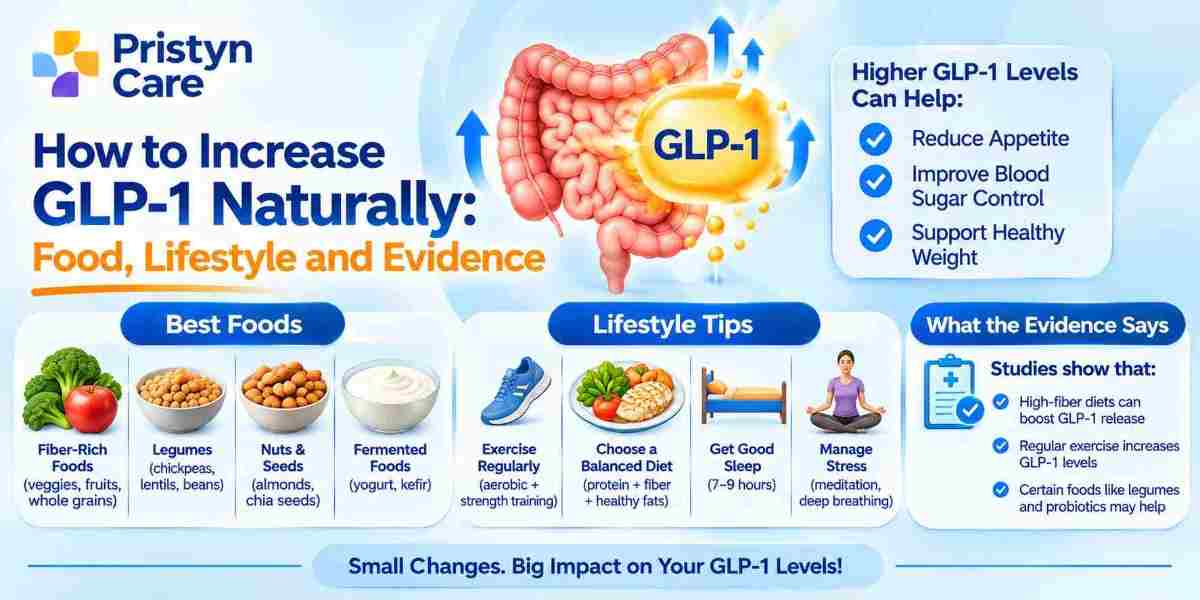
GLP-1 (glucagon-like peptide-1) is a naturally occurring hormone that helps regulate blood sugar, appetite and digestion. It is released by specialised cells in the intestine, particularly after eating, and signals the pancreas to release insulin when blood glucose levels rise.
GLP-1 also helps regulate appetite and promotes a feeling of fullness. Because of these effects, it has become an important topic in discussions about diabetes management and weight loss.
This has led many people to ask whether they can increase GLP-1 naturally through food, exercise and other lifestyle changes.
Certain nutrients and healthy habits may influence the body’s natural GLP-1 response. However, these effects are not equivalent to prescription GLP-1 medicines. No particular food or supplement has been proven to reproduce their medical benefits.
Let’s explore which foods and lifestyle habits may support natural GLP-1 activity and what the available evidence suggests.
Table of Contents
What Does GLP-1 Do in the Body?
GLP-1 is an incretin hormone produced mainly by specialised intestinal cells called L-cells. Its release increases after food enters the digestive system.
It performs several important functions:
- Supports insulin release: Stimulates the pancreas to release insulin when blood glucose levels are elevated.
- Regulates glucagon: Helps reduce glucagon secretion when blood sugar is high.
- Controls appetite: Acts on appetite-regulating pathways in the brain and promotes fullness.
- Slows stomach emptying: Delays the movement of food from the stomach into the small intestine, which can help moderate post-meal blood sugar increases.
Together, these functions help the body regulate blood glucose levels, digestion and food intake.
How to Increase GLP-1 Naturally Through Food
The nutrients in your meals can influence the release of gut hormones, including GLP-1. Including a variety of fibre-rich foods, protein sources and healthy fats may help support a healthy metabolic response.
1. Eat More Fibre-Rich Foods
Fibre is one of the most useful dietary components for supporting gut health. Certain types of fibre, particularly fermentable fibre, are broken down by gut bacteria to produce short-chain fatty acids.
These compounds may stimulate intestinal cells involved in GLP-1 release. Fibre also supports digestion and helps you feel full for longer.
Include foods such as:
- Oats and barley
- Lentils, chickpeas and beans
- Apples, pears and guavas
- Broccoli, carrots and spinach
- Chia seeds and flaxseeds
Increase your fibre intake gradually and drink enough water to reduce the risk of bloating or constipation.
2. Include Protein in Your Meals
Protein can stimulate the release of GLP-1 and other gut hormones after eating. It also supports muscle maintenance and helps promote fullness.
Good sources of protein include:
- Eggs
- Curd and Greek yoghurt
- Paneer and tofu
- Lentils and beans
- Fish and lean chicken
Try to include a protein source in your main meals rather than relying mainly on refined carbohydrates.
3. Choose Healthy Fats in Moderate Portions
Dietary fats can influence the release of gut hormones, including GLP-1. However, eating more fat does not automatically improve weight management or blood sugar control.
Choose nutrient-rich sources of unsaturated fats, such as:
- Almonds, walnuts and other nuts
- Chia, flax and pumpkin seeds
- Olive or mustard oil
- Avocado
- Fatty fish
Keep portions appropriate to your energy needs and limit frequent consumption of deep-fried foods and highly processed snacks.
4. Prefer Whole Fruits Over Sugary Snacks
Whole fruits provide fibre, water, vitamins and other beneficial plant compounds. Their fibre content can help slow digestion and support a balanced post-meal blood sugar response.
You can include fruits such as apples, guavas, oranges, pears and berries in your daily diet.
Whole fruits are generally a better choice than fruit juices because juicing removes much of the fibre and makes it easier to consume larger amounts of sugar quickly.
Lifestyle Habits That May Support Natural GLP-1 Activity
Food is only one part of metabolic health. Physical activity, sleep and gut health can also influence appetite regulation and the body’s response to meals.
1. Exercise Regularly
Physical activity improves insulin sensitivity and helps the body use glucose more effectively. Some research also suggests that exercise can influence gut hormone responses, including GLP-1.
You can choose activities that suit your fitness level, such as:
- Brisk walking
- Cycling or swimming
- Strength training
- Yoga and other forms of regular movement
Aim for around 150 minutes of moderate-intensity physical activity each week, if your health allows. If you are currently inactive, start with shorter sessions and gradually increase your activity.
2. Get Enough Quality Sleep
Poor sleep can affect hunger-regulating hormones, appetite and blood sugar control. It may also influence how the body responds to meals.
To support healthy sleep habits:
- Aim for 7–9 hours of sleep each night.
- Maintain a consistent bedtime and wake-up time.
- Reduce screen exposure before bedtime.
- Avoid heavy meals close to sleeping time.
- Keep your sleeping environment comfortable and quiet.
Good sleep supports overall metabolic health, although it has not been established as a direct way to significantly increase GLP-1 levels.
3. Support Your Gut Health
Gut bacteria help break down certain types of dietary fibre and produce short-chain fatty acids. These compounds may influence intestinal cells involved in GLP-1 release.
To support a healthy gut environment, include a variety of fibre-rich and fermented foods, such as:
- Plain curd or yoghurt
- Fermented foods such as idli and dosa
- Whole grains and millets
- Lentils and legumes
- A variety of vegetables and fruits
The relationship between gut bacteria and GLP-1 is still being studied. Fermented foods and probiotic supplements should not be considered proven treatments for increasing GLP-1.
Natural GLP-1 Agonists: Can Foods Work Like Medicines?
The term “natural GLP-1 agonists” is sometimes used to describe foods and plant-based ingredients that may influence GLP-1 release or metabolic activity. However, this term can be misleading.
Foods may stimulate the body’s own GLP-1 release through nutrient-sensing pathways. Prescription GLP-1 receptor agonists are different: they are medicines designed to activate GLP-1 receptors and produce a more sustained effect.
Some ingredients being studied for their possible metabolic effects include:
- Green tea: Contains catechins, which have been investigated for their potential effects on metabolism.
- Turmeric: Contains curcumin, a compound studied for its possible influence on inflammation and metabolic pathways.
- Ginger: Contains bioactive compounds that may affect digestion and other metabolic processes.
- Chilli peppers: Contain capsaicin, which is being studied for its possible effects on appetite and energy metabolism.
- Berries: Provide fibre and polyphenols that may support gut and metabolic health.
These foods can be included as part of a balanced diet. However, there is not enough clinical evidence to consider them natural substitutes for prescription GLP-1 medicines.
Do GLP-1 Supplements Really Work?
Products marketed as GLP-1 supplements, natural GLP-1 boosters or alternatives to prescription weight-loss medicines have become increasingly common.
Some contain ingredients such as berberine, curcumin, probiotics or concentrated fibre. Researchers have explored whether certain ingredients can influence gut hormones or metabolic health. However, evidence is not strong enough to establish these products as reliable GLP-1 treatments.
Before using a supplement, keep the following points in mind:
- Supplements are not equivalent to prescription GLP-1 medicines.
- Evidence for many ingredients comes from small studies or laboratory research.
- Ingredient quality, concentration and dosage can vary between products.
- Some supplements may interact with diabetes medicines or cause side effects.
- Claims such as “natural Ozempic” or “GLP-1 in a bottle” should be treated cautiously.
If you have diabetes, take regular medication or have an existing health condition, consult your doctor before starting a weight-loss supplement.
A Simple Daily Eating Pattern to Support Metabolic Health
You do not need expensive foods or a specialised diet to support healthy gut hormone activity. Focus on balanced meals containing fibre, protein and healthy fats.
| Meal | Food options |
| Breakfast | Vegetable oats, eggs or besan chilla with curd |
| Mid-morning | Guava, apple or a handful of nuts |
| Lunch | Dal, roti or brown rice, vegetables and curd |
| Evening snack | Roasted chana or unsweetened yoghurt |
| Dinner | Paneer, tofu or fish with vegetables and whole grains |
Portion sizes should be adjusted according to your energy requirements, activity level and health conditions. People with diabetes may need an individualised meal plan to manage their blood glucose levels.
How Much Can You Increase GLP-1 Naturally?
There is currently no established amount by which food or lifestyle changes can increase GLP-1 levels. Research suggests that certain nutrients, particularly protein, fibre and dietary fats, can influence its release after meals.
However, many studies are small or short-term, and changes in hormone levels do not necessarily translate into significant long-term weight loss or improved diabetes control.
Natural approaches can support appetite regulation, digestion and metabolic health. However, their effects are generally less pronounced and less predictable than those of prescription GLP-1 medicines.
If you are struggling with excess weight, a doctor may recommend a personalised approach that combines nutrition, physical activity and medical treatment when appropriate. You can also explore different weight-loss treatment options based on your health and individual requirements.
Frequently Asked Questions
1. What foods naturally increase GLP-1?
Fibre-rich foods, protein sources and foods containing healthy fats may stimulate natural GLP-1 release. Examples include oats, lentils, beans, eggs, curd, nuts, seeds and vegetables.
2. Can I increase GLP-1 naturally without medication?
Yes. A balanced diet, regular physical activity, adequate sleep and good gut health may support the body’s natural GLP-1 response. However, these habits do not replace medication when medical treatment is required.
3. Are there any natural GLP-1 supplements?
Some supplements are marketed as natural GLP-1 boosters, but there is insufficient clinical evidence to show that they produce the same effects as prescription GLP-1 medicines. Speak with a healthcare professional before taking them.
4. Does walking increase GLP-1?
Walking supports blood sugar regulation, insulin sensitivity and overall metabolic health. Physical activity may also influence GLP-1 responses, although the extent of this effect varies and is still being studied.
5. Is natural GLP-1 enough for weight loss?
Natural GLP-1 activity contributes to appetite and metabolism regulation, but weight management depends on several factors, including diet, physical activity, sleep, genetics and underlying health conditions. Some people may need additional medical support.
Conclusion
GLP-1 is an important hormone that helps regulate blood sugar, appetite and digestion. Fibre-rich foods, protein, healthy fats, regular exercise and adequate sleep may support the body’s natural GLP-1 response.
However, increasing GLP-1 naturally is not the same as using a prescription GLP-1 medicine. Foods and supplements cannot reliably reproduce the effects of these medications, and unverified GLP-1 boosters should be approached cautiously.
If you are trying to manage your weight or blood sugar, focus on sustainable lifestyle habits rather than quick fixes. Consult a qualified doctor or dietitian for a personalised nutrition and treatment plan.