


 Views: 23
When Is Pterygium Surgery Needed?
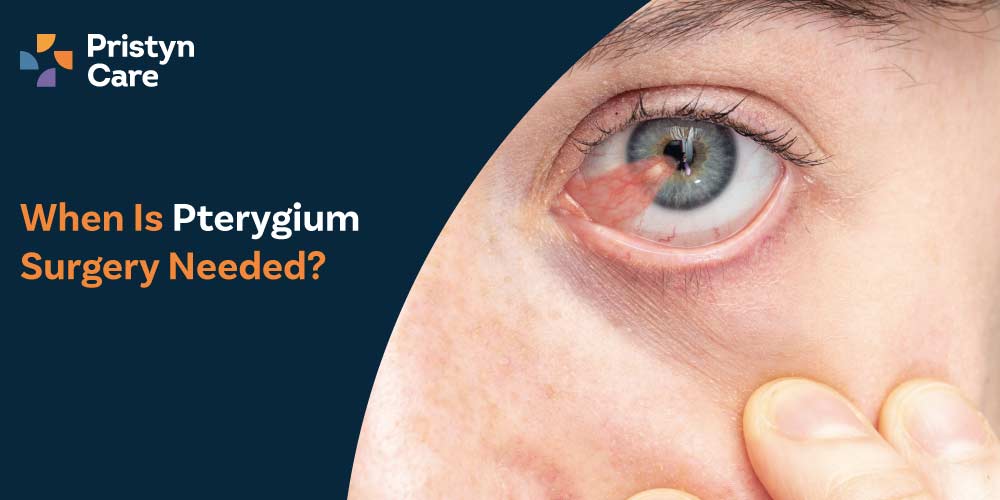
A pterygium is a common eye condition where a fleshy, triangular growth develops on the white part of the eye and may extend onto the cornea. While it is often harmless in early stages, it can sometimes affect vision and eye comfort. Understanding when pterygium surgery is needed helps in timely treatment and preventi... on of complications.
Read more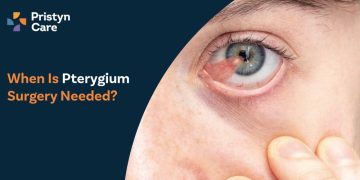


Dedicated Support at Every Step!
Our Doctors are available 24 hours a day, 7 days a week to help you!

Table of Contents
What Is Pterygium?
Pterygium is:
- A non-cancerous growth on the conjunctiva
- Often linked to sun exposure, dust, and dry environments
- Commonly seen in people who spend long hours outdoors
No Cost EMI, Hassle-free Insurance Approval
When Is Pterygium NOT Treated Surgically?
- Small size with no symptoms
- No effect on vision
- Managed with lubricating eye drops and protection
When Is Pterygium Surgery Needed?
1. Vision Is Affected
- Growth extends onto the cornea
- Causes blurred or distorted vision
2. Rapid Growth
- Pterygium increasing in size quickly
- Higher risk of visual impairment
3. Persistent Redness and Irritation
- Chronic discomfort despite medication
- Burning, itching, or foreign body sensation
4. Astigmatism Development
- Changes in corneal shape
- Leads to refractive errors and vision problems
5. Cosmetic Concerns
- Noticeable growth affecting appearance
- Common reason for elective surgery
6. Recurrent Inflammation
- Frequent flare-ups
- Not controlled with conservative treatment
What Does Pterygium Surgery Involve?
- Removal of the abnormal tissue
- Often followed by conjunctival grafting to reduce recurrence
- Usually a day-care procedure
 Doctor available
4.5/5

10+ Years Experience Overall
 Doctor available
4.7/5
13+ Years Experience Overall
Doctor available
4.5/5
45+ Years Experience Overall
Doctor available
MBBS, Diploma in Ophthalmologist, MS-Ophthalmologist
₹1200₹600Consultation Fee
4.5/5
43+ Years Experience Overall
Doctor available
4.5/5
41+ Years Experience Overall
Doctor available
5.0/5
38+ Years Experience Overall
Doctor available
5.0/5
38+ Years Experience Overall
Doctor available
4.5/5
36+ Years Experience Overall
Doctor available
4.5/5
35+ Years Experience Overall
Doctor available
4.5/5
34+ Years Experience Overall
Doctor available
4.5/5
33+ Years Experience Overall
Doctor available
4.5/5
32+ Years Experience Overall
Doctor available
4.5/5
30+ Years Experience Overall
Doctor available
4.5/5
29+ Years Experience Overall
Doctor available
5.0/5
29+ Years Experience Overall
Doctor available
4.5/5
29+ Years Experience Overall
Doctor available
Dr. Kaushik Pillappakam Bahukutumbi
MBBS, Diploma in Ophthalmology & DNB-Ophthalmology
₹1200₹600Consultation Fee
4.5/5
28+ Years Experience Overall
Doctor available
4.5/5
28+ Years Experience Overall
Doctor available
4.5/5
28+ Years Experience Overall
Doctor available
4.5/5
27+ Years Experience Overall
Doctor available
4.5/5
26+ Years Experience Overall
Doctor available
4.5/5
25+ Years Experience Overall
Doctor available
4.5/5
25+ Years Experience Overall
Doctor available
4.5/5
25+ Years Experience Overall
Doctor available
4.5/5
23+ Years Experience Overall
Doctor available
4.5/5
23+ Years Experience Overall
Doctor available
4.5/5
22+ Years Experience Overall
Doctor available
4.5/5
21+ Years Experience Overall
Doctor available
4.5/5
17+ Years Experience Overall
Doctor available
4.5/5
17+ Years Experience Overall
Doctor available
4.5/5
17+ Years Experience Overall
Doctor available
4.5/5
16+ Years Experience Overall
Doctor available
4.5/5
16+ Years Experience Overall
Doctor available
4.5/5
16+ Years Experience Overall
Doctor available
4.5/5
15+ Years Experience Overall
Doctor available
4.5/5
15+ Years Experience Overall
Doctor available
4.5/5
15+ Years Experience Overall
Doctor available
4.5/5
14+ Years Experience Overall
Doctor available
5.0/5
14+ Years Experience Overall
Doctor available
5.0/5
14+ Years Experience Overall
Doctor available
4.5/5
14+ Years Experience Overall
Doctor available
5.0/5
13+ Years Experience Overall
Doctor available
5.0/5
13+ Years Experience Overall
Doctor available
MBBS, Diploma in Ophthalmology & DNB-Ophthalmology
₹1200₹600Consultation Fee
4.5/5
13+ Years Experience Overall
Doctor available
4.5/5
13+ Years Experience Overall
Doctor available
4.5/5
12+ Years Experience Overall
Doctor available
4.7/5
12+ Years Experience Overall
Doctor available
4.5/5
12+ Years Experience Overall
Doctor available
4.5/5
12+ Years Experience Overall
Doctor available
5.0/5
11+ Years Experience Overall
Doctor available
4.5/5
11+ Years Experience Overall
Doctor available
5.0/5
10+ Years Experience Overall
Doctor available
4.5/5
10+ Years Experience Overall
Doctor available
4.5/5
9+ Years Experience Overall
Doctor available
4.5/5
9+ Years Experience Overall
Doctor available
4.5/5
8+ Years Experience Overall
Benefits of Surgery
- Improved vision
- Relief from irritation
- Better cosmetic appearance
- Reduced risk of further growth
Recovery After Surgery
- Mild redness and discomfort for a few days
- Use of prescribed eye drops
- Recovery typically within 2–4 weeks
Risks and Considerations
- Recurrence of pterygium
- Infection (rare)
- Temporary irritation or redness

Free Cataract Surgery Surgery Cost Calculator

Our care coordinator will call you shortly.
When Should You See a Doctor?
- Growth increasing in size
- Persistent eye irritation
- Blurred vision
- Cosmetic concerns


Final Thoughts
Pterygium surgery is needed when the growth begins to affect vision, causes persistent discomfort, or progresses rapidly. Early evaluation and appropriate treatment can prevent complications and improve eye health.
Consulting an eye specialist helps determine the right time for surgery and ensures the best possible outcome.
Social share:



Related Calculators

Dedicated Support at Every Step!
Our Doctors are available 24 hours a day, 7 days a week to help you!
Related Calculators
Get In Touch with our expert doctors !
- please enter 10 digit number.


