


 Views: 34
Anemia in Women: Common Causes and Risks
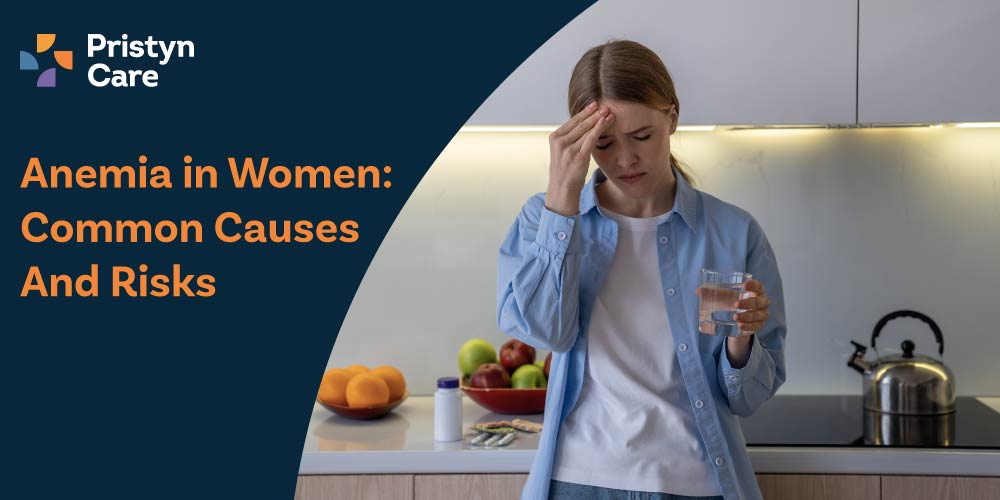
Anemia is especially common in women due to biological and hormonal factors. It often goes unnoticed in the early stages but can significantly impact energy levels, overall health, and quality of life if left untreated.


Social share:


Dedicated Support at Every Step!
Our Doctors are available 24 hours a day, 7 days a week to help you!

Understanding anemia in women, its common causes, and associated risks is essential for early detection and effective management.
Table of Contents
What Is Anemia?
Anemia is a condition in which:
- Hemoglobin levels are low
- The body cannot carry sufficient oxygen to tissues
This results in fatigue, weakness, and other symptoms.
No Cost EMI, Hassle-free Insurance Approval
Why Are Women More Prone to Anemia?
Women are at higher risk due to:
- Menstrual blood loss
- Increased nutritional needs during pregnancy
- Hormonal changes
These factors make maintaining adequate iron and nutrient levels more challenging.
Common Causes of Anemia in Women
1. Iron Deficiency
- The most common cause
- Due to inadequate dietary intake or poor absorption
2. Heavy Menstrual Bleeding
- Excessive blood loss during periods
- Leads to depletion of iron stores over time
3. Pregnancy
- Increased demand for iron and nutrients
- Supports fetal growth and increased blood volume
4. Nutritional Deficiencies
- Lack of vitamin B12 and folate
- Common in restrictive diets
5. Chronic Conditions
- Conditions affecting absorption or causing blood loss
6. Postpartum Blood Loss
- Blood loss during or after childbirth
Symptoms of Anemia in Women
- Persistent fatigue
- Weakness
- Pale skin
- Shortness of breath
- Dizziness or headaches
- Hair fall and brittle nails
Symptoms may be mild initially but worsen over time.
Health Risks of Untreated Anemia
If left untreated, anemia in women can lead to:
- Severe fatigue affecting daily life
- Pregnancy complications
- Reduced immunity
- Heart-related issues
Who Is at Higher Risk?
- Women with heavy or irregular periods
- Pregnant or breastfeeding women
- Vegetarians or those with poor diet
- Women with chronic illnesses
How Is Anemia Diagnosed?
- Blood tests (hemoglobin levels)
- Iron and vitamin level assessments
- Additional tests to identify underlying causes
Treatment Options
1. Iron and Vitamin Supplements
- Prescribed based on deficiency
2. Dietary Improvements
Include foods rich in:
- Iron (leafy greens, lentils, meat)
- Vitamin B12 and folate
3. Managing Underlying Causes
- Treating menstrual disorders
- Addressing chronic conditions
4. Medical Interventions (If Needed)
- IV iron therapy
- Blood transfusion in severe cases
Prevention Tips
- Maintain a balanced, nutrient-rich diet
- Monitor menstrual health
- Take supplements during pregnancy as advised
- Get regular health check-ups
When Should You See a Doctor?
- Persistent fatigue or weakness
- Heavy menstrual bleeding
- Symptoms affecting daily activities
- Suspected nutritional deficiency


Final Thoughts
Anemia in women is common but often overlooked. Understanding its causes and recognizing early symptoms can help prevent complications and improve overall health.
With the right combination of diet, supplementation, and medical care, anemia can be effectively managed, allowing women to lead healthy and active lives.
Author:


Related Calculators

Dedicated Support at Every Step!
Our Doctors are available 24 hours a day, 7 days a week to help you!


