


 Views: 40
How Diet Plays a Role in Preventing Anemia
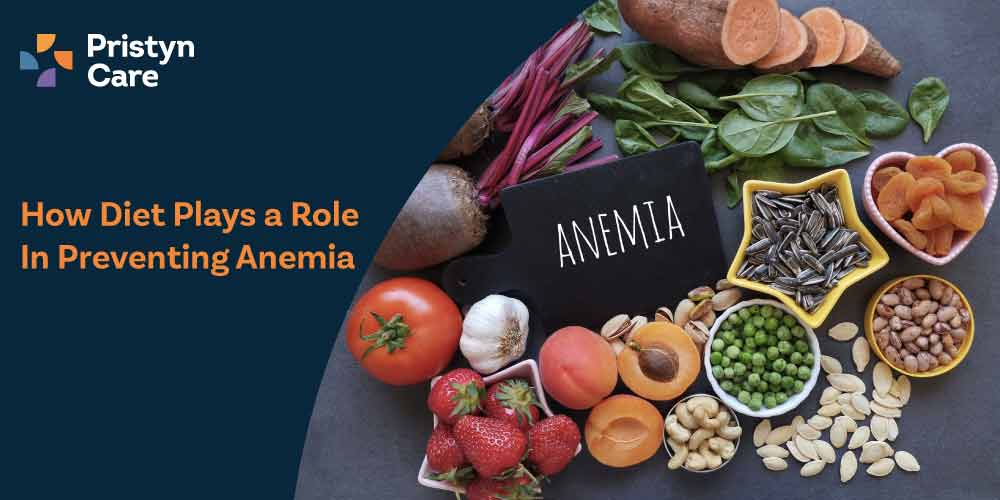
Anemia is often closely linked to nutritional deficiencies, making diet one of the most important factors in both prevention and management. A well-balanced diet can help maintain healthy red blood cell levels and prevent complications related to low hemoglobin.

Social share:


Dedicated Support at Every Step!
Our Doctors are available 24 hours a day, 7 days a week to help you!

Understanding how diet plays a role in preventing anemia can help you make informed food choices and maintain optimal health.
Table of Contents
Why Diet Matters in Anemia Prevention
Red blood cell production depends on essential nutrients such as:
- Iron
- Vitamin B12
- Folate
A deficiency in any of these can lead to anemia. Proper nutrition ensures the body has what it needs to produce healthy blood cells.
No Cost EMI, Hassle-free Insurance Approval
Key Nutrients That Help Prevent Anemia
1. Iron
Iron is crucial for hemoglobin production.
Iron-rich foods include:
- Green leafy vegetables (spinach, kale)
- Lentils and beans
- Nuts and seeds
- Red meat, poultry, and fish (for non-vegetarians)
2. Vitamin B12
Essential for red blood cell formation and nerve health.
Sources:
- Dairy products
- Eggs
- Meat and fish
- Fortified cereals
3. Folate (Vitamin B9)
Helps in the production of new red blood cells.
Sources:
- Leafy greens
- Citrus fruits
- Beans and legumes
- Whole grains
4. Vitamin C
Enhances iron absorption in the body.
Sources:
- Oranges, lemons
- Tomatoes
- Bell peppers
- Amla (Indian gooseberry)
Foods That Improve Iron Absorption
Combining iron-rich foods with vitamin C can significantly improve absorption. For example:
- Spinach with lemon juice
- Lentils with tomatoes
Foods That May Inhibit Iron Absorption
Certain foods and drinks can reduce iron absorption if consumed in excess:
- Tea and coffee
- Calcium-rich foods (when taken with iron-rich meals)
- Highly processed foods
Dietary Habits to Prevent Anemia
1. Eat a Balanced Diet
- Include a mix of vegetables, fruits, proteins, and grains
- Avoid overly restrictive diets
2. Do Not Skip Meals
- Regular meals help maintain nutrient levels
3. Include Variety
- Different foods provide different nutrients
4. Focus on Nutrient-Dense Foods
- Prefer whole, unprocessed foods over junk food
Who Should Pay Extra Attention to Diet?
- Women (especially during menstruation and pregnancy)
- Children and adolescents
- Vegetarians or vegans
- Elderly individuals
When Is Diet Not Enough?
In some cases, diet alone may not be sufficient:
- Severe anemia
- Poor nutrient absorption
- Chronic illness
In such cases, supplements or medical treatment may be required.
When Should You Consult a Doctor?
- Persistent fatigue or weakness
- Symptoms of anemia despite a healthy diet
- Suspected nutritional deficiency


Final Thoughts
Diet plays a fundamental role in preventing anemia. Consuming iron-rich foods along with essential vitamins like B12, folate, and vitamin C can help maintain healthy hemoglobin levels.
Simple dietary changes, when followed consistently, can go a long way in preventing anemia and supporting overall well-being.
Author:



Related Calculators

Dedicated Support at Every Step!
Our Doctors are available 24 hours a day, 7 days a week to help you!


