


 Views: 6
Iron Deficiency Anemia: Causes and Treatment
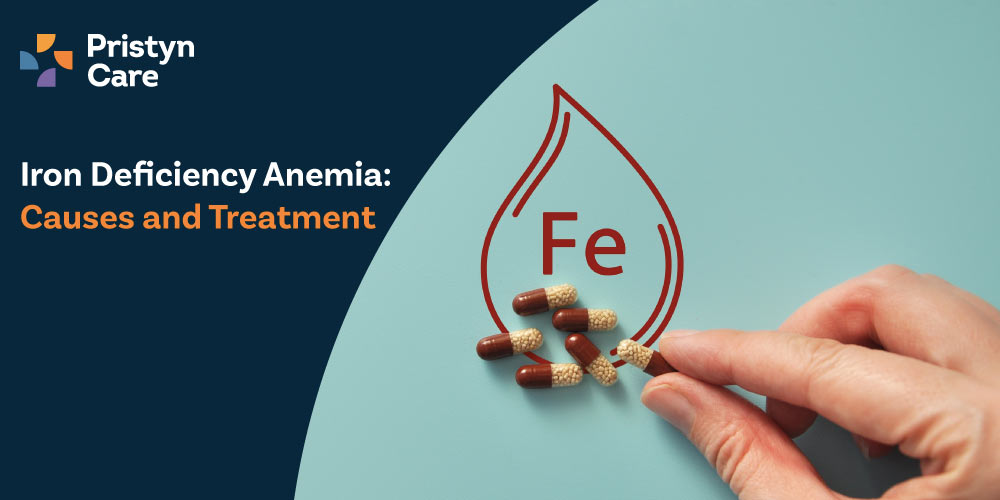
Iron deficiency anemia is the most common type of anemia and occurs when the body lacks enough iron to produce adequate hemoglobin. Since hemoglobin is essential for carrying oxygen in the blood, low iron levels can significantly affect overall health.

Social share:


Dedicated Support at Every Step!
Our Doctors are available 24 hours a day, 7 days a week to help you!

Understanding iron deficiency anemia, its causes, and treatment is important for early diagnosis and effective management.
Table of Contents
What Is Iron Deficiency Anemia?
Iron deficiency anemia is a condition where:
- The body has insufficient iron
- Hemoglobin production decreases
- Oxygen delivery to tissues is reduced
This leads to fatigue and other symptoms related to low oxygen levels.
No Cost EMI, Hassle-free Insurance Approval
Common Causes of Iron Deficiency Anemia
1. Inadequate Dietary Intake
- Low consumption of iron-rich foods
- Common in individuals with poor or restrictive diets
2. Blood Loss
- Heavy menstrual bleeding
- Gastrointestinal bleeding (ulcers, piles, etc.)
- Injury or surgery
3. Increased Iron Requirements
- Pregnancy
- Growth periods in children and adolescents
4. Poor Iron Absorption
- Conditions affecting the gut (e.g., celiac disease)
- Certain medications that interfere with absorption
5. Chronic Illness
- Long-term diseases can affect iron metabolism
Symptoms of Iron Deficiency Anemia
- Persistent fatigue
- Weakness
- Pale skin
- Shortness of breath
- Dizziness or headaches
- Cold hands and feet
- Brittle nails or hair fall
In severe cases, symptoms may become more pronounced.
Who Is at Risk?
- Women (especially during menstruation or pregnancy)
- Children and teenagers
- Vegetarians or people with low iron intake
- Individuals with chronic blood loss
How Is It Diagnosed?
Doctors may recommend:
- Complete blood count (CBC)
- Serum iron and ferritin levels
- Additional tests to identify the underlying cause
Treatment of Iron Deficiency Anemia
1. Iron Supplements
- Oral iron tablets or syrups
- Taken as prescribed by a doctor
2. Dietary Changes
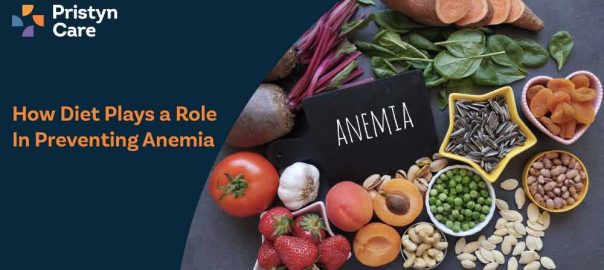
Include iron-rich foods such as:
- Green leafy vegetables
- Lentils and beans
- Red meat (if non-vegetarian)
- Nuts and seeds
Vitamin C-rich foods (like citrus fruits) can improve iron absorption.
3. Treating Underlying Causes
- Managing bleeding conditions
- Treating digestive disorders
4. Intravenous (IV) Iron (In Severe Cases)
- Used when oral supplements are not effective or tolerated
Tips to Improve Iron Absorption
- Take iron supplements on an empty stomach (if tolerated)
- Avoid tea or coffee immediately after meals
- Combine iron-rich foods with vitamin C
What Happens If It Is Not Treated?
Untreated iron deficiency anemia can lead to:
- Severe fatigue
- Reduced immunity
- Pregnancy complications
- Heart-related issues
When Should You See a Doctor?
- Symptoms persist or worsen
- You feel extremely weak or breathless
- You suspect blood loss or nutritional deficiency


Final Thoughts
Iron deficiency anemia is common but highly treatable. Identifying the cause and starting appropriate treatment early can restore normal iron levels and improve overall health.
A balanced diet, proper supplementation, and regular medical follow-up are key to effective management and long-term prevention.
Author:


Related Calculators

Dedicated Support at Every Step!
Our Doctors are available 24 hours a day, 7 days a week to help you!


