


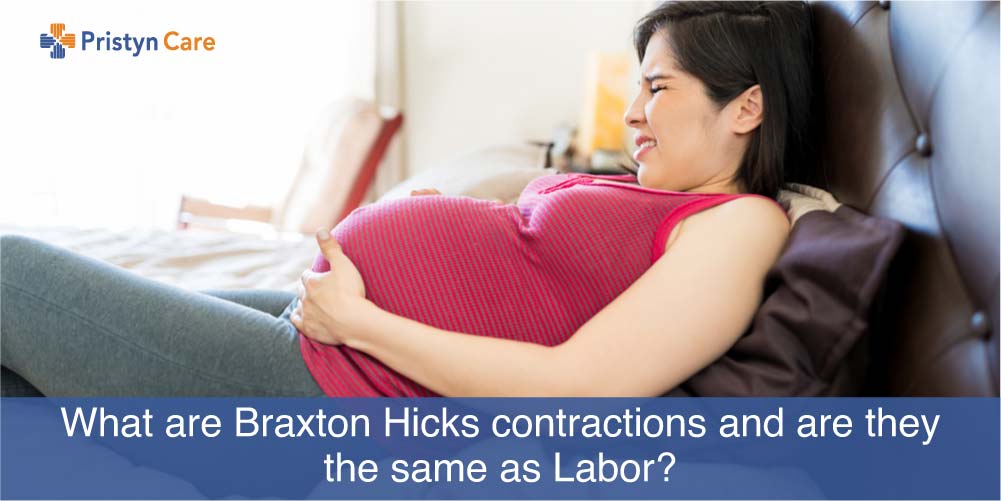
When the female is in her final stages of pregnancy, contractions are like the body’s alarm clock, alerting that she is approaching labor. Sometimes, contractions can be a false alarm.
These fake contractions are called Braxton-Hicks contractions. These are named after John Hicks, the doctor who first described them. Simply defined, they are just practice contractions that get the body ready for the baby’s arrival. Though they may feel very real, they are not real labor.
Table of Contents
What are Braxton Hicks contractions?

Braxton Hicks contractions are contractions that can feel like tightening in the abdomen that comes and goes. These are the contractions of the uterus preparation to give birth. The contractions are intentional! Yes, they are meant to be and serve a purpose. They help to tone the muscles in the uterus and also help prepare the cervix for childbirth.
What do Braxton Hicks feel like?

Braxton Hicks contractions feel like the muscles tightening across the belly, and if the female puts her hands on the belly when the contractions happen, she can probably feel her uterus becoming hard.
The contractions can occur any time from early pregnancy but the female may not feel them until her second trimester. In the case of first pregnancy, the female might start to feel them from near 16 weeks (or in some, even 20 weeks) of pregnancy. In later pregnancies, the female may feel Braxton Hicks contractions earlier or more often. Some females do not feel them at all.
Braxton Hicks contractions are irregular and usually come and go. They usually last for about 30 seconds and are mostly defined as “uncomfortable”, and not painful.
Braxton Hicks contractions do not cause labor and are not commonly a sign of labor beginning.
Also Read: Pain Near the Belly Button during Pregnancy. Why?
Why will I get Braxton Hicks?
The exact and accurate reason why females have Braxton hicks in pregnancy is not known. However, some common triggers of Braxton hicks include-
- Very active schedule in pregnancy
- Having a full bladder
- During or after sex
- Dehydration
Difference between Braxton Hicks and labor contractions?

Unlike labor, Braxton Hicks contractions have the following (exclusive) characteristics:
- Occur infrequently,
- Are unpredictable and non-rhythmic
- Vary in length and strength
- More uncomfortable than painful
- Do not increase in frequency, duration or severity
- Reduce and then disappear, and reappear at some time later
Compared with Braxton Hicks, labor contractions are:
- Longer
- More regular, frequent and are actually painful
- Increase in intensity.
Near the end of the pregnancy, Braxton hicks may form a pattern and increase in frequency and intensity. Lots of females often mistake Braxton Hicks contractions for labor. But, unlike labor contractions, these do not cause the cervix to dilate (open).
Also Read: Sex during Pregnancy
How can I ease the discomfort of Braxton Hicks?

There are several easy and effective home remedies for Braxton Hicks. However, they are normal and do not generally need treatment. But, in case the female feels uncomfortable, she can try the following to get relief:
- Lie down
- Take a walk
- Relax in a warm bath
- Have a massage
Also Read: 10 Easy And Safe Exercises During Pregnancy
Should I call my doctor if I have Braxton Contractions?

Pain, pressure or discomfort in the pelvis, abdomen or lower back region, maybe the first signs of labor. The female should contact her doctor immediately, if she is less than 37 weeks pregnant, as such contractions can be a sign of premature labor.
If the female is full-term pregnant, she is likely to be having Braxton Hicks contractions and not the real labor. If her waters break, or the contractions get strong and are 5 minutes apart, she may be in labor.
In any stage of pregnancy, the female should contact her doctor if she has one or any the following:
- Persistent pain in the abdomen
- Vaginal bleeding
- Notices the movements of the fetus have slowed or stopped
- Feels nausea and very unwell
 Doctor available









.jpg/1746696151998_ban-Icon.png)