


 Views: 13
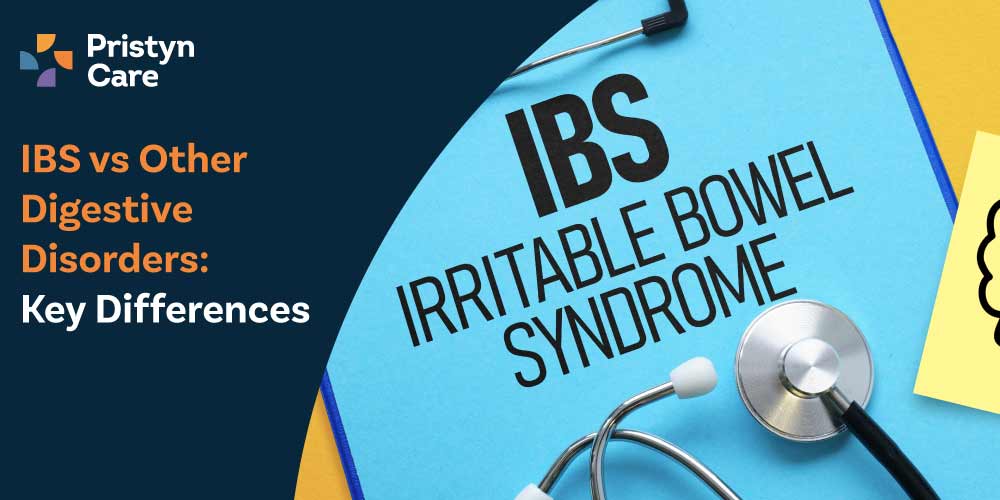
IBS vs Other Digestive Disorders: Key Differences
Digestive symptoms like abdominal pain, bloating, diarrhea, or constipation can be caused by multiple conditions. One of the most common is Irritable Bowel Syndrome, but it is often confused with other gastrointestinal diseases.

Social share:


Dedicated Support at Every Step!
Our Doctors are available 24 hours a day, 7 days a week to help you!

Understanding IBS vs other digestive disorders: key differences helps in accurate diagnosis and appropriate treatment.
Table of Contents
What Is IBS?
IBS is a functional gastrointestinal disorder, meaning:
- No visible structural damage
- Symptoms arise from altered gut function
Common symptoms include:
- Abdominal pain or cramping
- Bloating
- Diarrhea, constipation, or both
No Cost EMI, Hassle-free Insurance Approval
How IBS Differs from Other Digestive Disorders
1. IBS vs Inflammatory Bowel Disease
IBS:
- Functional disorder
- No inflammation or intestinal damage
- Symptoms fluctuate
IBD:
- Includes Crohn’s disease and ulcerative colitis
- Causes inflammation and damage to the intestines
- May lead to complications like ulcers and bleeding
2. IBS vs Gastroenteritis
IBS:
- Chronic condition
- Long-term symptoms
Gastroenteritis:
- Acute infection (viral or bacterial)
- Sudden onset of diarrhea, vomiting, fever
- Usually resolves within a few days
3. IBS vs Celiac Disease
IBS:
- No immune reaction to specific food
- Symptoms vary with triggers
Celiac Disease:
- Autoimmune reaction to gluten
- Damages the small intestine
- Requires strict gluten-free diet
4. IBS vs Gastritis
IBS:
- Affects large intestine
- Symptoms include bowel habit changes
Gastritis:
- Inflammation of stomach lining
- Causes burning pain, nausea, vomiting
5. IBS vs Colon Cancer
IBS:
- Non-life-threatening
- Does not cause weight loss or bleeding
Colon Cancer:
- Serious condition
- Symptoms may include:
- Blood in stool
- Unexplained weight loss
- Persistent fatigue
Requires urgent evaluation.
Key Differences at a Glance
| Feature | IBS | Other Digestive Disorders |
|---|---|---|
| Nature | Functional | Structural/inflammatory/infectious |
| Duration | Chronic | Often acute or progressive |
| Damage | No physical damage | May cause tissue damage |
| Severity | Usually mild to moderate | Can be severe or life-threatening |
| Treatment | Lifestyle & symptom management | Disease-specific treatment |
Warning Signs That Suggest It’s Not IBS
Seek medical attention if you have:
- Blood in stool
- Unexplained weight loss
- Persistent vomiting
- Severe or worsening pain
- Anemia
These may indicate a more serious condition.
Why Accurate Diagnosis Matters
- Prevents misdiagnosis
- Ensures correct treatment
- Avoids unnecessary medications


Final Thoughts
While IBS shares symptoms with many digestive disorders, it is fundamentally different because it does not cause structural damage. Other conditions like IBD, infections, or cancer may require urgent and specific treatments.
If symptoms are persistent or unusual, a proper medical evaluation is essential to identify the exact cause and ensure appropriate care.
Author:




Related Calculators

Dedicated Support at Every Step!
Our Doctors are available 24 hours a day, 7 days a week to help you!


