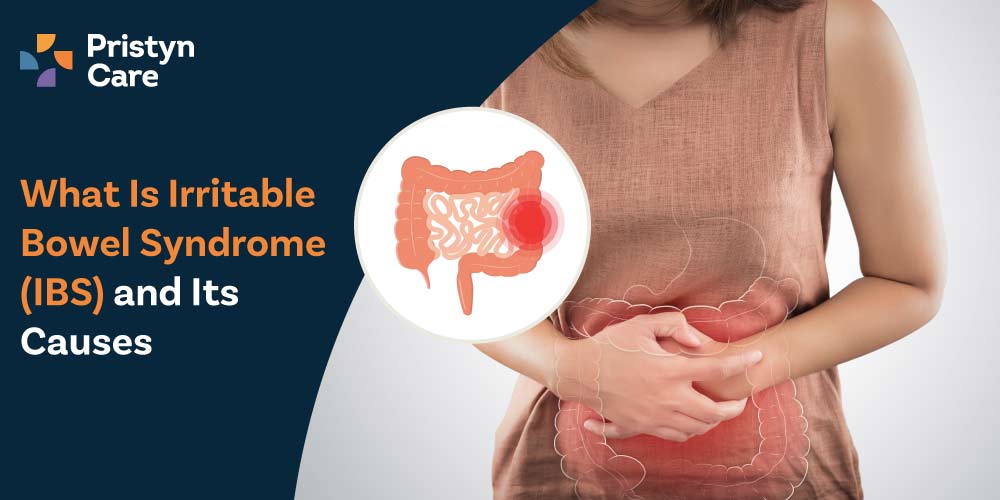
What Is Irritable Bowel Syndrome (IBS) and Its Causes
Irritable Bowel Syndrome is a common gastrointestinal condition that affects the large intestine. It is a functional disorder, meaning it impacts how the gut works rather than causing visible structural damage.
MEDICALLY REVIEWED CONTENT
✍WRITTEN & 🔍REVIEWED BY
Pristyn Care Team
Healthcare Expert
Updated On - April 25, 2026
Book Your FREE Consultation Now
Dedicated Support at Every Step!
Our Doctors are available 24 hours a day, 7 days a week to help you!
Understanding what IBS is and its causes helps in early recognition, better symptom management, and improved quality of life.
Table of Contents
What Is Irritable Bowel Syndrome (IBS)?
IBS is a chronic condition characterized by:
Abdominal pain or discomfort
Changes in bowel habits
Bloating and gas
It can vary in severity and may come and go over time.
We take care of you
Get Your Surgery Done with No Cost EMI, Hassle-free Insurance Approval
Types of IBS
1. IBS with Constipation (IBS-C)
Hard or infrequent stools
2. IBS with Diarrhea (IBS-D)
Frequent loose stools
3. Mixed IBS (IBS-M)
Alternating constipation and diarrhea
Common Symptoms of IBS
Cramping or abdominal pain
Bloating and gas
Diarrhea or constipation
Mucus in stool
Feeling of incomplete bowel movement
Symptoms often improve after passing stool.
What Causes IBS?
The exact cause is not fully understood, but several factors contribute:
1. Gut-Brain Interaction Issues
Miscommunication between the brain and intestines
Leads to abnormal bowel movements
2. Abnormal Gut Motility
Faster or slower movement of food through the intestines
3. Increased Gut Sensitivity
Intestines become more sensitive to pain or gas
4. Stress and Emotional Factors
Anxiety and stress can trigger or worsen symptoms
5. Food Intolerances
Certain foods may aggravate symptoms
Common triggers include dairy, spicy foods, and high-fat meals
6. Gut Infections
IBS may develop after a gastrointestinal infection (post-infectious IBS)
7. Changes in Gut Microbiome
Imbalance of healthy bacteria in the gut
Who Is at Risk?
Young adults
Women (more commonly affected)
Individuals with a history of stress or anxiety
Those with a family history of IBS
How Is IBS Diagnosed?
Based on symptoms and medical history
Tests may be done to rule out other conditions
Is IBS a Serious Condition?
IBS is not life-threatening
Does not cause permanent damage to the intestines
However, it can significantly affect daily life
Free IBS Surgery Cost Calculator
Fill details to get actual cost
Enter a valid name
Enter a valid 10-digit mobile number
Please enter a valid city
×
Your Form has been submitted successfully.
Our care coordinator will call you shortly.
When Should You See a Doctor?
Persistent abdominal pain
Unexplained weight loss
Blood in stool
Symptoms affecting daily routine
Pristyncare App
Download app to get more features for free
Check Symptoms
Cowin Certificate
Period Tracker
Dental Aligners
Final Thoughts
Irritable Bowel Syndrome (IBS) is a common but manageable digestive disorder caused by a combination of gut sensitivity, motility issues, and lifestyle factors. While it cannot be completely cured, proper diet, stress management, and medical guidance can help control symptoms effectively.
Early understanding and personalized care play a key role in improving long-term digestive health and overall well-being.



 Views: 15