



Reaching the ninth month of pregnancy is an important milestone. As your due date approaches, your body prepares for labour while your baby continues to grow and develop. Although the estimated due date is usually calculated as 40 weeks, most babies do not arrive on that exact date. Labour may begin before or after it.
The ninth month generally covers weeks 36 to 40 of pregnancy, although month-to-week descriptions can vary. Pregnancy is considered full term from 39 weeks. During this stage, regular prenatal check-ups, monitoring your baby’s movements and knowing the signs of labour are especially important.
Table of Contents
Common Symptoms in the 9th Month of Pregnancy
As your baby grows and moves lower into the pelvis, you may notice several physical changes. Some common symptoms during the ninth month include:
- Frequent urination: The growing uterus and baby’s position can put pressure on the bladder, making you feel the need to urinate more often.
- Passing the mucus plug: You may notice thick, jelly-like vaginal mucus, sometimes streaked with a little blood. This can happen as the cervix begins to change, but labour may not start immediately.
- Increased vaginal discharge: Vaginal discharge may become heavier towards the end of pregnancy. However, watery fluid or a sudden gush may indicate that your waters have broken and needs prompt assessment.
- Lower backache: Changes in posture, increased body weight and pressure on the pelvis can contribute to back discomfort.
- Swelling in the feet and ankles: Mild swelling can occur during pregnancy. Sudden or severe swelling, especially with headache or visual changes, requires urgent medical assessment.
- Fatigue: Carrying extra weight and difficulty sleeping can make you feel tired.
- Leg cramps: Some pregnant women experience muscle cramps, particularly at night.
- Insomnia: Physical discomfort, frequent urination and anxiety about delivery may disturb sleep.
- Pelvic pressure: As the baby moves lower, you may feel increased pressure around the pelvis and lower abdomen.
- Braxton Hicks contractions: These are irregular practice contractions that usually do not become progressively stronger or closer together like labour contractions.
Read more: Lower Abdominal Pain During Pregnancy
Weight Gain in the 9th Month of Pregnancy
Weight gain during pregnancy varies depending on your pre-pregnancy BMI, overall health, whether you are carrying one baby or multiples, and your pregnancy progress. There is no single weight-gain target that applies to every woman specifically for the ninth month.
For a singleton pregnancy, commonly used total pregnancy weight-gain recommendations are based on pre-pregnancy BMI:
| Pre-pregnancy BMI | Recommended total weight gain |
|---|---|
| Below 18.5 | 12.5–18 kg |
| 18.5–24.9 | 11.5–16 kg |
| 25–29.9 | 7–11.5 kg |
| 30 or above | 5–9 kg |
These are general recommendations, not targets for the ninth month alone. Your obstetrician can assess whether your weight gain is appropriate based on your health, baby’s growth and pregnancy history. Do not try to lose weight or restrict your diet during pregnancy without medical advice.
Physical Changes in the 9th Month of Pregnancy

As your body prepares for childbirth, you may notice the following changes:
- More prominent belly: Your abdomen becomes more stretched as the baby grows.
- Protruding belly button: The expanding abdomen may cause the belly button to flatten or protrude.
- Breast changes: Your breasts may become fuller or tender. Some women notice yellowish colostrum, the first form of breast milk.
- Darker nipples and areola: Hormonal changes can increase pigmentation around the nipples.
- Stretch marks: Stretch marks may become more noticeable as the skin stretches.
- Hair changes: Pregnancy hormones can affect hair growth and shedding. Hair changes vary from person to person.
- Linea nigra: The dark line running vertically across the abdomen may become more prominent due to increased pigmentation.
You may also experience emotional ups and downs as you prepare for childbirth and parenthood. Feeling excited, nervous or overwhelmed is common. Discuss persistent anxiety, low mood or sleep difficulties with your healthcare provider.
Your Baby’s Development in the 9th Month of Pregnancy

During the ninth month, your baby continues to gain weight and prepare for life outside the uterus. The lungs, brain and other organs continue to mature. By the end of pregnancy, most babies are physically ready for birth, although development continues after delivery.
At around 36 weeks, an average baby weighs approximately 2.6 kg and measures about 47 cm from head to heel. These measurements vary considerably, and ultrasound estimates are not exact.
Baby’s Development During the Final Weeks
| Body part | Development |
|---|---|
| Skin | The skin becomes smoother as the baby stores more fat beneath it. |
| Lungs | The lungs continue to mature and prepare for breathing after birth. |
| Brain | The brain continues developing rapidly during the final weeks. |
| Eyes | The baby can open and close the eyes and respond to light. |
| Lanugo | Much of the fine body hair called lanugo has disappeared, although some may remain. |
| Genitals | In boys, the testicles may descend into the scrotum. In girls, the labia continue developing. |
| Head | Hair may be visible on the baby’s head, although the amount varies. |
| Nails | Fingernails and toenails continue growing. |
| Ears | The external ears are developed, and the baby can respond to sounds. |
Baby’s Position and Movements in the 9th Month of Pregnancy
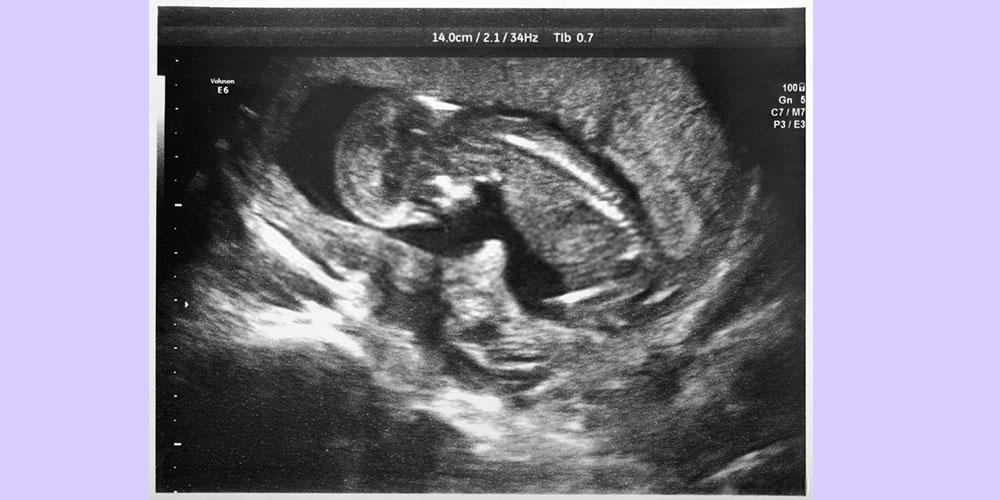
Baby’s Position
By the end of pregnancy, many babies move into a head-down position, also called the cephalic position. This is generally the preferred position for vaginal delivery.
However, some babies remain in a breech position, with their bottom or feet pointing downwards. If your baby is breech, your obstetrician can discuss suitable options, including whether an external cephalic version may be appropriate. The safest delivery plan depends on your individual circumstances.
Baby’s Movements
As the baby grows, the type of movement may change because there is less room for large movements. You may notice rolls, stretches and kicks rather than the same movements you felt earlier in pregnancy.
However, your baby’s movements should not become less frequent simply because you are close to delivery. Continue monitoring your baby’s usual movement pattern. If movements are reduced, weaker than usual or have stopped, contact your maternity unit immediately. Do not wait until the next day or rely on a home Doppler to check your baby’s wellbeing.
Diet and Precautions During the 9th Month of Pregnancy
Maintaining a balanced diet and following your doctor’s recommendations can support your health and your baby’s development. Consider these precautions:
- Eat balanced meals: Include vegetables, fruits, whole grains, pulses, protein-rich foods and appropriate sources of calcium and iron.
- Stay hydrated: Drink adequate water throughout the day unless your doctor has advised fluid restriction.
- Choose safe foods: Avoid raw or undercooked meat, fish and eggs, unpasteurised dairy products and other foods that may carry a risk of foodborne infection.
- Continue prescribed supplements: Take iron, folic acid, calcium or other supplements only as advised by your healthcare provider.
- Stay gently active: Walking and pregnancy-safe exercises may help maintain mobility if your doctor has not advised activity restrictions.
- Attend prenatal appointments: Keep your scheduled check-ups to monitor your blood pressure, baby’s growth, position and overall health.
- Prepare for delivery: Keep your hospital documents, essential supplies and transport arrangements ready.
- Rest when needed: Try to sleep comfortably and use pillows for support.
Also read: Foods That Can Harm Pregnancy
When to Call Your Doctor in the 9th Month of Pregnancy

Contact your obstetrician or maternity unit immediately if you experience any of the following symptoms:
- Water breaking: A sudden gush or continuous trickle of fluid from the vagina may indicate that the amniotic sac has ruptured.
- Vaginal bleeding: Any bleeding beyond a small amount of blood-streaked mucus should be assessed promptly.
- Reduced fetal movement: Contact your maternity unit immediately if your baby’s movements decrease or stop.
- Severe abdominal pain: Persistent or intense abdominal pain requires urgent assessment.
- Severe headache: A persistent or severe headache can be a warning sign of pre-eclampsia.
- Blurred vision or visual disturbances: These symptoms need immediate medical evaluation.
- Sudden swelling: Sudden swelling of the face or hands, particularly with headache or visual changes, can indicate a pregnancy complication.
- Fever or chills: These may indicate an infection.
- Pain or burning during urination: Urinary symptoms should be assessed because urinary infections need appropriate treatment during pregnancy.
- Severe dizziness or fainting: Seek prompt medical attention.
- Difficulty breathing or chest pain: These symptoms require emergency medical care.
Do not wait for a scheduled appointment if you experience any of these warning signs.
Signs of Labour in the 9th Month of Pregnancy
Labour can begin at different times, and the signs may vary between women. Contact your maternity unit when you think labour has started or follow the instructions given by your obstetrician.
Common signs of labour include:
- Regular contractions: Contractions become progressively stronger, longer and closer together.
- Lower back pain: Persistent backache or pain that comes and goes with contractions may occur.
- Pelvic pressure: You may feel increased pressure as the baby moves down into the pelvis.
- Show: Thick mucus discharge, sometimes pink or blood-streaked, may occur as the cervix begins to open.
- Waters breaking: Fluid may leak slowly or come out as a sudden gush. Contact your maternity unit even if contractions have not started.
- Abdominal cramps: Labour may cause cramps that become regular and increasingly intense.
Not every woman experiences all these signs. If you are unsure whether you are in labour, contact your healthcare provider for guidance.
Difference Between Braxton Hicks Contractions and True Labour
| Feature | Braxton Hicks contractions | True labour contractions |
|---|---|---|
| Pattern | Usually irregular | Become more regular over time |
| Intensity | Usually do not progressively increase | Generally become stronger |
| Duration | Often vary in length | Usually become longer as labour progresses |
| Frequency | Do not consistently become closer together | Usually occur closer together over time |
| Cervical changes | Do not usually cause progressive cervical dilation | Accompanied by cervical changes as labour progresses |
Only a clinical assessment can confirm whether labour has started. If you experience painful, regular contractions, fluid leakage, bleeding or reduced fetal movements, contact your maternity unit.
Frequently Asked Questions
Is the ninth month of pregnancy from week 33 or week 36?
Pregnancy month calculations can vary. The ninth month is commonly described as weeks 36 to 40, while some calendars use different month-to-week groupings. Your healthcare provider will use gestational weeks rather than month labels to monitor your pregnancy.
Can delivery happen in the ninth month?
Yes. Delivery may happen during the ninth month. Pregnancy is considered full term from 39 weeks to 40 weeks and 6 days. Birth between 37 weeks and 38 weeks and 6 days is considered early term.
Do babies move less in the ninth month?
The type of movement may change as the baby grows, but movements should not become less frequent. A noticeable reduction or change in your baby’s usual movement pattern needs immediate medical assessment.
What is the ideal position of a baby in the ninth month?
A head-down, or cephalic, position is generally preferred for vaginal delivery. If the baby is breech or in another position, your obstetrician can discuss the safest options for delivery.
Is mild swelling normal in the ninth month?
Mild swelling in the feet and ankles can be common during late pregnancy. However, sudden or severe swelling, especially involving the face or hands or accompanied by headache or blurred vision, needs urgent medical evaluation.
What should I pack for the hospital before delivery?
Prepare your identification and medical records, maternity documents, comfortable clothes, toiletries, nursing essentials and newborn clothing. Check with your hospital for its recommended admission checklist.
Conclusion
The ninth month of pregnancy is the final stage of preparation before childbirth. Your body undergoes several changes, and your baby continues to mature in preparation for life outside the womb. Attend your prenatal appointments, maintain a balanced diet, follow your doctor’s advice and monitor your baby’s usual movements.
Most importantly, learn to recognise the signs of labour and pregnancy-related warning signs. Contact your maternity unit promptly if you experience reduced fetal movements, vaginal bleeding, fluid leakage, severe headache or other concerning symptoms. Timely medical care helps support a safer delivery for both mother and baby.
Disclaimer: This article is for general educational purposes and does not replace personalised medical advice. Every pregnancy is different. Consult your obstetrician for guidance based on your gestational age, medical history and pregnancy progress.
Also Read:
- What Happens During Labour and Vaginal Delivery?
- Intercourse After Childbirth: What to Expect
- Diarrhoea During Pregnancy
Consult a gynaecologist online if you have questions or concerns about your pregnancy.
 Doctor available