

Table of Contents
Foods to Avoid After Hysterectomy: Recovery Diet and What to Eat
What you eat after a hysterectomy can make recovery more comfortable. A balanced diet provides the protein, fiber, vitamins, minerals, and fluids your body needs while it heals. At the same time, certain foods may worsen constipation, bloating, nausea, or digestive discomfort, especially during the first few days after surgery.
If you are wondering what foods to avoid after hysterectomy and what to include in your recovery diet, focus on simple, nutritious meals that are easy to digest. Your exact dietary needs may vary depending on the type of hysterectomy, your overall health, and your doctor’s instructions.
What Is a Hysterectomy?
A hysterectomy is a surgical procedure in which the uterus is removed. Depending on the reason for surgery and the patient’s condition, the surgeon may also remove the cervix, fallopian tubes, or ovaries. Hysterectomy may be performed to treat conditions such as fibroids, endometriosis, adenomyosis, uterine prolapse, or certain gynecological cancers.
Recovery can vary depending on whether the surgery was performed through the abdomen, vagina, or using a minimally invasive approach. Following your doctor’s instructions regarding food, physical activity, medicines, wound care, and follow-up appointments is important during recovery.
Also Read: What All You Need to Know About Hysterectomy?
Why Is Diet Important After Hysterectomy?
After surgery, your body needs adequate nutrition to support tissue repair and regain strength. Pain medicines, reduced physical activity, and changes in your normal routine can also make constipation and bloating more common.
A recovery-friendly diet should generally provide enough protein, fiber, vitamins, minerals, and fluids. Eating smaller meals and choosing easily digestible foods can also be helpful if you experience nausea or reduced appetite after surgery.
What to Eat After Hysterectomy?
There is no single diet that every woman needs to follow after hysterectomy. However, a balanced diet containing protein, fiber-rich foods, fruits, vegetables, and adequate fluids can support a healthy recovery.
1. Protein-rich foods
Protein is important for tissue repair and maintaining muscle strength during recovery. Include foods such as eggs, fish, chicken, lentils, beans, pulses, tofu, paneer, yogurt, and other protein-rich foods that suit your diet.
2. Fruits and vegetables
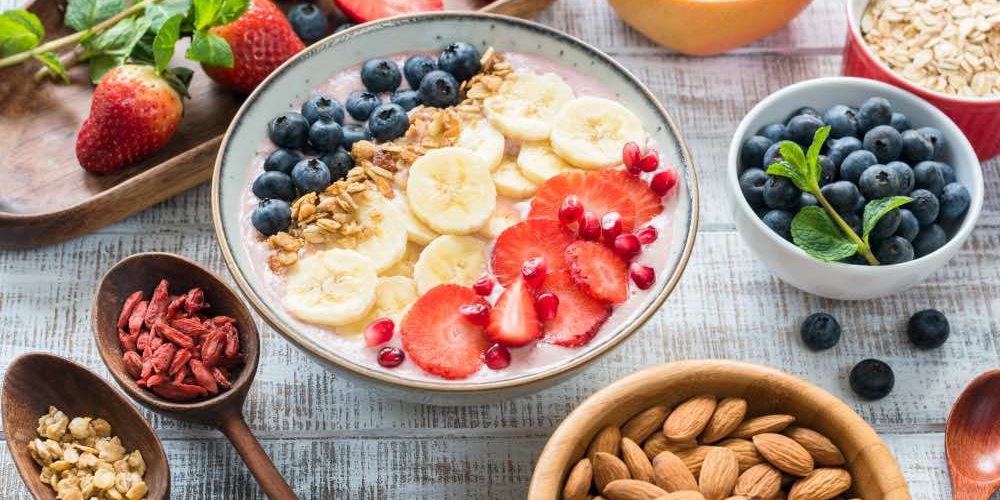
Fruits and vegetables provide fiber, vitamins, minerals, and other nutrients. They can also help maintain regular bowel movements. Apples, pears, oranges, papaya, berries, leafy vegetables, carrots, and other seasonal produce can be included according to your tolerance.
If you experience bloating after surgery, introduce high-fiber foods gradually rather than suddenly increasing your fiber intake.
3. High-fiber foods
Constipation can occur after surgery because of reduced activity, changes in diet, or certain pain medicines. Fiber can help maintain bowel regularity when consumed along with enough fluids.
Good options include oats, whole-grain bread, brown rice, whole-grain cereals, beans, lentils, fruits, vegetables, and seeds.
Also Read: Home Remedies to Cure Constipation
4. Whole grains
Whole grains can provide fiber and other nutrients that are useful during recovery. Oatmeal, brown rice, quinoa, whole-wheat roti, and whole-grain bread are some options you can include in your meals.
5. Healthy fats
Healthy fats can be included in moderate amounts as part of a balanced diet. Nuts, seeds, avocados, and plant-based oils are examples of foods that provide healthy fats.
6. Dairy products, if tolerated
Milk, yogurt, and other dairy products can provide protein and calcium. You do not generally need to avoid dairy after hysterectomy unless you are lactose intolerant or dairy causes bloating, diarrhea, constipation, or other digestive problems.
7. Plenty of fluids
Staying hydrated is especially important during recovery. Drinking enough water and other healthy fluids can help prevent dehydration and support regular bowel movements.
If your doctor has advised you to restrict fluids because of another medical condition, follow those instructions instead.
Foods to Avoid After Hysterectomy
There is no universal list of foods that every woman must completely stop eating after hysterectomy. However, some foods and drinks may be better limited during the early recovery period because they can contribute to digestive discomfort, constipation, bloating, or poor overall nutrition.
1. Highly processed foods
Processed and ultra-processed foods such as packaged snacks, chips, instant meals, processed meats, and some ready-to-eat foods may contain high amounts of salt, added sugar, or unhealthy fats while providing relatively little fiber and nutritional value.
Try to choose fresh or minimally processed foods more often during recovery.
2. Fried and very fatty foods
Fried foods and very fatty meals can be difficult for some people to digest and may worsen bloating, nausea, or abdominal discomfort. Limit foods such as deep-fried snacks, fast food, and heavily greasy meals, particularly if they make you feel uncomfortable.
3. Foods high in added sugar
Cakes, pastries, sweets, sugary beverages, and other foods high in added sugar can take the place of more nutritious foods in your diet. Keeping these foods limited can help you maintain a balanced recovery diet.
4. Excessively spicy foods
Spicy food does not necessarily interfere with healing, but it can cause acidity, stomach irritation, or bowel discomfort in some people. If you notice these symptoms after surgery, temporarily reduce spicy foods.
5. Alcohol
It is generally advisable to avoid alcohol during the early recovery period, particularly while taking painkillers, antibiotics, sedatives, or other medicines that may interact with alcohol. Follow your surgeon’s advice about when it is safe to drink again.
6. Excessive caffeine
You may not need to completely avoid tea or coffee after hysterectomy. However, excessive caffeine can contribute to stomach discomfort or interfere with sleep in some people. Limiting caffeine may be helpful if you experience these problems.
7. Foods that personally trigger bloating or constipation
Recovery affects everyone differently. If certain foods consistently cause gas, bloating, diarrhea, or constipation, reduce them temporarily and discuss persistent digestive symptoms with your doctor.
Can I Eat Meat After Hysterectomy?
Yes. Meat does not generally need to be completely avoided after hysterectomy. Lean sources of protein such as skinless chicken or fish can be part of a balanced recovery diet.
However, heavily processed or fatty meats may be less suitable if they cause digestive discomfort. Choose lean protein and prepare it using methods such as grilling, baking, steaming, or cooking with limited oil.
Can I Eat Eggs After Hysterectomy?
Eggs can be included in the diet after hysterectomy unless you have an allergy or your doctor has advised otherwise. They provide protein and can be prepared in several ways without adding excessive oil.
How to Prevent Constipation After Hysterectomy?
Constipation is relatively common after surgery and can be uncomfortable while the abdominal or pelvic area is healing. You can help maintain regular bowel movements by:
- Drinking adequate fluids.
- Gradually increasing fiber intake.
- Eating fruits and vegetables regularly.
- Including whole grains in your meals.
- Walking gently as permitted by your doctor.
- Taking prescribed stool softeners or laxatives if recommended by your doctor.
Do not strain excessively while passing stool. If constipation persists despite these measures, contact your healthcare provider.
Simple Diet Tips for a Faster Hysterectomy Recovery
- Eat small, balanced meals if your appetite is low.
- Include a source of protein in your meals.
- Increase fiber gradually, especially if you are experiencing bloating.
- Drink enough water throughout the day.
- Choose fresh and minimally processed foods more often.
- Limit fried foods, excessive sugar, and heavily processed foods.
- Avoid alcohol while recovering and while taking medicines that can interact with it.
- Follow your surgeon’s instructions about activity and diet.
Quick Read: Tips for Quick Hysterectomy Recovery
When Should You Contact Your Doctor?
Diet is only one part of hysterectomy recovery. Contact your doctor if you develop symptoms such as heavy vaginal bleeding, worsening abdominal or pelvic pain, fever, persistent vomiting, difficulty passing urine, severe constipation, foul-smelling vaginal discharge, or redness and discharge around an incision.
You should also speak to your healthcare provider if you are unable to eat or drink adequately or if digestive problems continue for several days.
The Bottom Line
A nutritious and balanced diet can make the recovery period after hysterectomy easier to manage. Instead of following a highly restrictive diet, focus on adequate protein, fiber, fruits, vegetables, whole grains, healthy fats, and fluids. Limit highly processed, fried, sugary, and alcoholic foods, especially during the early recovery period.
Remember that dietary requirements can vary from one person to another. Your surgeon or dietitian can recommend a diet based on your surgery, medications, existing health conditions, and recovery progress.
If you have concerns about your recovery after hysterectomy or are experiencing unusual symptoms, consult your gynecologist rather than trying to manage them through diet alone.
Also Read:
Disclaimer: The information provided in this article is for general educational purposes only and should not be considered a substitute for professional medical advice, diagnosis, or treatment. Your doctor may recommend different dietary restrictions based on your surgery, medications, and overall health.
 Doctor available






.jpg/1719467422422_ban-Icon.png)






.jpg/1659710531266_ban-Icon.png)
.jpg/1721735880936_ban-Icon.png)


.jpg/1712404409865_ban-Icon.png)