


 Views: 1
Tonsillitis Medicine: What Is the Best Medicine for Tonsils, Pain, Infection and Swelling?
Tonsils are small collections of immune tissue at the back of the throat that help the body recognise and fight infections. When the tonsils become inflamed or infected, the condition is commonly called tonsillitis.




Dedicated Support at Every Step!
Our Doctors are available 24 hours a day, 7 days a week to help you!

Tonsillitis can cause throat pain, difficulty swallowing, swollen tonsils, fever, redness, white patches or pus on the tonsils, bad breath and swollen lymph nodes in the neck.
People commonly search for tonsillitis medicine, tonsil pain medicine, best medicine for tonsils, tonsil infection medicine, tonsil swelling medicine, tonsil medicine tablets and tonsillitis treatment medicine.
Important: Do not start antibiotics simply because the tonsils are swollen or have white patches. Many cases of tonsillitis are viral and do not benefit from antibiotics.
Table of Contents
What Is Tonsillitis?
Tonsillitis is inflammation of one or both tonsils.
It can be caused by:
- Viral infections
- Bacterial infections
- Group A Streptococcus bacteria
- Other throat infections
- Repeated infections
- Irritation or inflammation associated with other conditions
Tonsillitis is particularly common among children and teenagers, although adults can also develop it.
No Cost EMI, Hassle-free Insurance Approval
Tonsillitis Symptoms
Common symptoms include:
- Sore throat
- Tonsil pain
- Pain while swallowing
- Swollen tonsils
- Red tonsils
- White or yellow spots on the tonsils
- Fever
- Bad breath
- Swollen glands in the neck
- Headache
- Fatigue
- Ear pain associated with throat inflammation
- Hoarse or muffled voice in some cases
Some people may have enlarged tonsils without an active infection.
What Is the Best Medicine for Tonsils?
There is no single best medicine for tonsils because treatment depends on the cause.
For mild viral tonsillitis, treatment is usually focused on relieving symptoms while the infection resolves.
For confirmed or strongly suspected bacterial tonsillitis, a doctor may prescribe an appropriate antibiotic.
For recurrent tonsillitis or persistently enlarged tonsils, medicines may not be enough and an ENT evaluation may be required.
Common treatment options include:
| Treatment | Purpose |
| Paracetamol/acetaminophen | Reduce fever and pain |
| Ibuprofen | Reduce pain, fever and inflammation when appropriate |
| Warm salt-water gargles | Soothe throat irritation |
| Adequate fluids | Prevent dehydration and soothe the throat |
| Throat lozenges | Temporary throat pain relief in suitable age groups |
| Antibiotics | Treat confirmed or appropriately suspected bacterial infection |
| Antiseptic/medicated gargles | May provide symptomatic relief in selected cases |
| Treatment for underlying nasal/allergy problems | May help when throat symptoms are related to postnasal drainage |
| Tonsillectomy | Considered for selected recurrent or complicated tonsil disease |
Medicine should be selected according to the patient's age, symptoms, medical history and cause.
Tonsil Pain Medicine
Tonsil pain is commonly treated with medicines that reduce pain and fever.
Common options may include:
- Paracetamol
- Ibuprofen, when appropriate
- Throat lozenges
- Warm salt-water gargles
- Warm or cool fluids depending on what feels comfortable
Pain medicine can reduce symptoms but does not necessarily treat the underlying infection.
If pain is severe, persistent or associated with difficulty swallowing, breathing problems or one-sided swelling, medical evaluation is important.
Best Medicine for Tonsil Pain
The best medicine depends on why the tonsils hurt.
Viral tonsillitis
Pain and fever medicines, fluids and supportive care are commonly sufficient.
Bacterial tonsillitis
An appropriate antibiotic may be required after medical assessment.
Tonsil stones
Antibiotics are generally not a routine treatment for tonsil stones. Oral hygiene, gargling and treatment of recurrent or troublesome stones may be considered.
Recurrent tonsillitis
Repeated episodes may require an ENT evaluation rather than repeated courses of medicine.
Tonsil Infection Medicine
Tonsil infections can be viral or bacterial.
This distinction is important because antibiotics only work against bacteria.
Viral tonsillitis may be associated with:
- Cough
- Runny nose
- Hoarseness
- Conjunctivitis
- General cold-like symptoms
Bacterial tonsillitis, particularly streptococcal infection, may present with:
- Sudden sore throat
- Fever
- Painful swallowing
- Tender neck glands
- Inflamed tonsils
- Tonsillar exudate
Symptoms alone do not always reliably distinguish viral and bacterial infections. A doctor may use clinical assessment and, where appropriate, a rapid strep test or throat culture.
Antibiotic Medicine for Tonsil Infection
Antibiotics should not be taken simply because the tonsils look red or swollen.
When bacterial tonsillitis is diagnosed or appropriately suspected, a doctor may prescribe an antibiotic suitable for the individual.
Commonly used antibiotic classes can include:
- Penicillin-type antibiotics
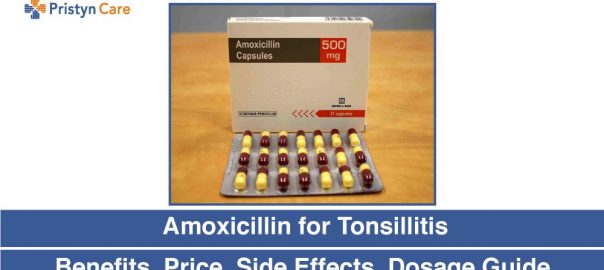
- Amoxicillin
- Certain cephalosporins
- Macrolides in selected patients with penicillin allergy
The choice depends on factors such as the suspected organism, allergy history, age and local medical guidance.
Do not use leftover antibiotics or stop a prescribed course early without medical advice.
Tonsillitis Medicine With Fever
Tonsillitis accompanied by fever may require:
- Adequate fluids
- Rest
- Paracetamol for fever/pain when appropriate
- Ibuprofen when appropriate
- Medical assessment if bacterial infection is suspected
If fever is high or persistent, or symptoms are getting worse rather than improving, consult a doctor.
In children, medicine doses should be based on age/weight and professional advice.
Medicine for Swollen Tonsils
Swollen tonsils are a symptom rather than a diagnosis.
They can occur due to:
- Viral infection
- Bacterial infection
- Recurrent tonsillitis
- Allergic or inflammatory conditions
- Tonsil stones
- Other throat conditions
Treatment depends on the cause.
Anti-inflammatory medicines may temporarily reduce pain and inflammation, but they do not necessarily eliminate the underlying cause.
Persistent enlarged tonsils, especially when associated with snoring, mouth breathing, sleep problems or difficulty swallowing, should be assessed by an ENT specialist.
Tonsil Swelling Medicine
For temporary swelling caused by an acute infection, supportive treatment may help.
Depending on the cause, a doctor may recommend:
- Pain/fever medication
- Hydration
- Gargling
- Antibiotics for selected bacterial infections
- Treatment of an associated condition
Repeated swelling may indicate recurrent tonsillitis and should not simply be managed with repeated self-medication.
Tonsillitis Gargle Medicine
Gargling can provide temporary relief from throat irritation.
A commonly used home measure is warm salt-water gargling.
Some medicated or antiseptic gargles may also be recommended for selected patients.
Gargling can:
- Soothe throat irritation
- Reduce discomfort
- Help clear mucus
- Improve oral/throat hygiene
However, gargling does not replace antibiotics when a bacterial infection requires antibiotic treatment, nor does it cure structural problems such as persistently enlarged tonsils.
Young children who cannot gargle safely should not be given gargling treatments that create a choking or aspiration risk.
Tonsils Medicine at Home
Mild tonsillitis can often be managed with supportive measures while the body recovers.
At-home measures include:
- Drink plenty of fluids
- Get adequate rest
- Gargle with warm salt water if safe to do so
- Eat soft foods if swallowing is painful
- Avoid smoking and second-hand smoke
- Use a humidifier if dry air worsens throat irritation
- Take appropriate pain or fever medicine if needed
Do not rely solely on home treatment when symptoms are severe or persistent.
Tonsil Medicine Tablets
There is no specific tablet that permanently treats every tonsil problem.
Depending on the condition, tablets may include:
- Pain relievers
- Fever-reducing medicines
- Antibiotics for selected bacterial infections
- Other medicines when an underlying condition is contributing to symptoms
The correct tablet depends on the diagnosis.
Taking antibiotics or steroids without medical advice is not recommended.
Tonsil Medicine Name
There is no single medicine name that can be recommended as the "best tonsil medicine" for everyone.
The medicine may differ depending on whether the patient has:
- Viral tonsillitis
- Bacterial tonsillitis
- Recurrent tonsillitis
- Tonsil stones
- Enlarged tonsils
- Another throat infection
This is why identifying the cause is more important than choosing a medicine based only on the symptom.
Medicine for Tonsil Stones
Tonsil stones, also called tonsilloliths, are small deposits that develop in the crypts or folds of the tonsils.
They may cause:
- Bad breath
- A foreign-body sensation
- Throat irritation
- White or yellow spots
- Occasional discomfort
- Coughing or throat clearing
Medicines generally do not dissolve or permanently remove established tonsil stones.
For mild cases, measures such as:
- Good oral hygiene
- Regular brushing and tongue cleaning
- Gargling
- Staying hydrated
may help.
Some people have recurrent or large tonsil stones. An ENT specialist may recommend removal or discuss other treatment options when they become troublesome.
Homeopathic Medicine for Tonsils
People commonly search for:
- Homeopathic medicine for tonsils
- Best homeopathic medicine for tonsillitis
- Homeo medicine for tonsillitis
- Tonsils homeopathy medicine SBL
- Tonsil ki homeopathic medicine
- Homeopathic medicine for tonsil stones
However, there is no scientifically established homeopathic medicine proven to cure tonsillitis, eliminate recurrent tonsil infections or permanently remove tonsil stones.
Using homeopathy as the only treatment can delay appropriate evaluation when bacterial infection, an abscess or another complication is present.
Homeopathic treatment should not replace urgent medical care for severe throat symptoms.
SBL Homeopathic Medicine for Tonsils
SBL is a brand associated with homeopathic products, and people may specifically search for SBL products for tonsillitis or tonsil stones.
A brand name does not establish that a product can cure tonsillitis.
If symptoms are persistent or severe, diagnosis should come before selecting a medicine.
Ayurvedic Medicine for Tonsils
Ayurvedic remedies are also searched for tonsillitis and throat problems.
Some people use herbal preparations, gargles or other traditional remedies to relieve throat discomfort.
However, there is no universally proven Ayurvedic medicine that can permanently cure every case of tonsillitis or recurrent tonsil infection.
Herbal products can also vary in formulation and may interact with other medicines.
They should not delay appropriate evaluation when symptoms suggest a bacterial infection or complication.
Patanjali Ayurvedic Medicine for Tonsils
People may specifically search for Patanjali medicine for tonsils.
A branded Ayurvedic product should not automatically be considered the best medicine for tonsillitis.
Before using any herbal product:
- Check the ingredients
- Consider possible medicine interactions
- Follow the manufacturer's directions
- Avoid replacing necessary medical treatment
- Seek professional evaluation for persistent symptoms
Himalaya Medicine for Tonsils
Similarly, searches for Himalaya medicine for tonsils reflect an interest in herbal or OTC treatment.
The appropriate treatment depends on the cause of the tonsil problem rather than the brand name.
Persistent or recurrent tonsillitis should be evaluated by a qualified doctor or ENT specialist.
Can Tonsillitis Be Cured With Medicine?
Many acute cases of tonsillitis resolve completely with appropriate treatment.
However, this depends on the cause.
Viral tonsillitis
Most uncomplicated viral infections improve with supportive treatment and time.
Bacterial tonsillitis
Appropriate antibiotic treatment can help eliminate the bacterial infection and reduce the risk of certain complications.
Recurrent tonsillitis
If tonsillitis repeatedly returns, taking medicine during each episode may not solve the underlying problem.
An ENT specialist may assess whether the patient meets criteria for tonsillectomy.
Enlarged tonsils
Medicine may reduce temporary inflammation but may not permanently reduce chronically enlarged tonsils.
When Is Tonsil Surgery Needed?
Most tonsillitis does not require surgery.
However, an ENT specialist may consider tonsillectomy in selected cases, particularly when there are:
- Frequent, troublesome episodes of tonsillitis
- Recurrent infections despite appropriate treatment
- Peritonsillar abscesses or other complications
- Significant airway obstruction
- Sleep-disordered breathing associated with enlarged tonsils
- Persistent problems significantly affecting quality of life
The decision is based on the patient's history, severity and clinical findings.

Free Tonsillectomy / Tonsil Surgery Cost Calculator

Our care coordinator will call you shortly.
Tonsillitis Medicine vs Tonsillectomy
| Treatment | Most useful for | Does it permanently remove tonsils? |
| Pain medicine | Pain and fever | No |
| Antibiotics | Selected bacterial infections | No |
| Gargles | Temporary throat relief | No |
| Home remedies | Mild symptom relief | No |
| Homeopathy | No scientifically established cure | No |
| Ayurveda | No universally proven permanent cure | No |
| Tonsillectomy | Selected recurrent/complicated tonsil disease | Yes |
Tonsillectomy is not required simply because someone has had one episode of tonsillitis.
Recurrent Tonsillitis
Some people experience tonsillitis repeatedly.
Possible contributing factors include:
- Repeated exposure to infections
- Close contact with infected people
- Chronic tonsil inflammation
- Enlarged or cryptic tonsils
- Other throat or nasal conditions
An ENT evaluation may be useful when infections repeatedly interfere with:
- School
- Work
- Sleep
- Eating
- Daily activities
The doctor can determine whether continued medical management or surgery is more appropriate.
Tonsillitis vs Tonsil Stones
| Feature | Tonsillitis | Tonsil stones |
| Main problem | Inflamed/infected tonsils | Debris trapped in tonsil crypts |
| Pain | Common | Often mild or absent |
| Fever | May occur | Usually absent |
| White patches | May occur | Small white/yellow stones |
| Bad breath | Can occur | Common |
| Antibiotics | Sometimes required for bacterial infection | Not routinely required |
| Surgery | Selected recurrent/complicated cases | Selected recurrent/troublesome cases |
When Should You See an ENT Specialist?
Consult an ENT specialist if:
- Tonsillitis keeps returning
- Tonsils remain enlarged
- Symptoms do not improve
- Swallowing becomes increasingly difficult
- You have repeated courses of antibiotics
- Tonsil stones repeatedly return
- Tonsil problems interfere with sleep
- There is persistent bad breath associated with tonsil stones
- One tonsil is significantly larger than the other
- You have persistent throat symptoms without an obvious cause
When Is Tonsillitis an Emergency?
Seek urgent medical care if you develop:
- Difficulty breathing
- Inability to swallow saliva
- Drooling because swallowing is too painful
- Severe one-sided throat pain and swelling
- Muffled or "hot potato" voice
- Difficulty opening the mouth
- Rapidly increasing neck or throat swelling
- Severe dehydration
- Significant weakness or confusion
These symptoms can occur with complications such as a peritonsillar abscess or significant airway obstruction.
How Is Tonsillitis Diagnosed?
A doctor may assess:
- Throat and tonsil appearance
- Fever and other symptoms
- Swollen lymph nodes
- Duration and recurrence of infections
- Presence of cough or nasal symptoms
- Exposure to someone with a throat infection
- Rapid strep testing when appropriate
- Throat culture when indicated
Imaging is not routinely required for uncomplicated tonsillitis but may be considered when a complication or another condition is suspected.
Frequently Asked Questions
What is the best medicine for tonsillitis?
There is no single best medicine. Viral tonsillitis is generally managed with supportive treatment, while confirmed or appropriately suspected bacterial tonsillitis may require antibiotics.
What medicine is good for tonsil pain?
Paracetamol or ibuprofen may help reduce pain and fever when appropriate. Warm salt-water gargles and adequate fluids can also provide relief.
Which medicine is best for tonsil infection?
It depends on whether the infection is viral or bacterial. Antibiotics are used only when a bacterial infection requires antibiotic treatment.
What medicine can reduce swollen tonsils?
Pain and anti-inflammatory medicines may reduce symptoms temporarily, but treatment depends on why the tonsils are swollen.
Can I take antibiotics for tonsillitis?
Only when a doctor determines that antibiotic treatment is appropriate. Antibiotics do not treat viral tonsillitis.
Is there medicine for tonsil stones?
Medicines generally do not permanently remove established tonsil stones. Oral hygiene and gargling may help, while recurrent troublesome stones may require ENT treatment.
Does homeopathy cure tonsillitis?
There is no scientifically established homeopathic medicine proven to cure tonsillitis or prevent recurrent tonsil infections.
Can Ayurveda cure tonsillitis?
There is no universally proven Ayurvedic medicine that permanently cures every case of tonsillitis. Persistent or recurrent symptoms should be medically evaluated.
Is tonsillitis medicine available at home?
Mild symptoms can sometimes be managed at home with fluids, rest, salt-water gargles and appropriate pain/fever medicine. Severe or persistent symptoms require medical evaluation.
Do swollen tonsils always mean infection?
No. Tonsils can remain enlarged because of recurrent inflammation or other conditions even when there is no active infection.
When does tonsillitis require surgery?
Tonsillectomy may be considered for selected patients with frequent recurrent infections, significant complications or airway/sleep problems related to enlarged tonsils.


Conclusion
The best tonsillitis medicine depends on the cause. Mild viral tonsillitis often improves with rest, fluids, gargling and appropriate pain or fever medicines. Bacterial tonsillitis may require antibiotics after medical assessment.
Tonsil stones are different from tonsillitis and usually do not require antibiotics. Established tonsil stones also cannot reliably be eliminated with a tablet or homeopathic medicine.
Ayurvedic and homeopathic medicines are frequently searched for tonsil problems, but there is no scientifically established universal medicine from these systems that permanently cures tonsillitis or recurrent tonsil disease.
If tonsillitis keeps returning, the tonsils remain enlarged, swallowing becomes difficult or symptoms interfere with sleep, an ENT specialist can determine whether continued medical treatment or a procedure such as tonsillectomy is appropriate.
Social share:




Related Calculators

Dedicated Support at Every Step!
Our Doctors are available 24 hours a day, 7 days a week to help you!
Related Calculators
Get In Touch with our expert doctors !
- please enter 10 digit number.


