Table of Contents
10 Home Remedies to Reduce Tonsil Swelling and Sore Throat
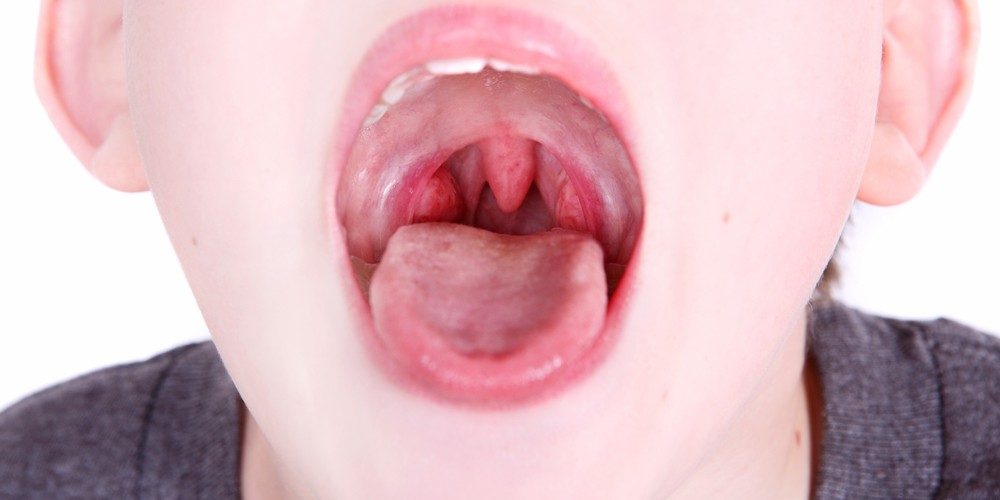
Tonsillitis can cause swollen tonsils, sore throat, pain while swallowing, bad breath, fever, and white or yellow spots on the tonsils. Mild cases, particularly those caused by viral infections, often improve with rest, fluids, and simple home care. However, home remedies mainly help relieve symptoms and do not replace medical treatment when tonsillitis is caused by bacteria or becomes severe.
Before trying any remedy, it is important to understand the symptoms and know when medical attention is needed.
What Are the Common Symptoms of Tonsillitis?
Tonsillitis occurs when the tonsils become inflamed, usually because of a viral or bacterial infection. Common symptoms include:
- Sore or irritated throat
- Swollen or enlarged tonsils
- White or yellow spots or patches on the tonsils
- Pain or difficulty while swallowing
- Bad breath
- Fever or chills
- Swollen and tender glands in the neck
- Ear pain, especially in children
- Headache or general weakness
Also Read:10 Most Common Causes of Sore Throat
10 Effective Home Remedies for Tonsil Swelling
Home remedies can provide temporary relief from throat pain, irritation, and swelling while the body recovers from an infection. They are particularly useful for mild cases of tonsillitis. However, they should not be considered a cure for every type of tonsillitis.
1. Gargle With Warm Salt Water
Gargling with warm salt water can soothe an irritated throat and may help reduce discomfort and inflammation. It is a simple remedy that can be used several times a day.
How to do it: Mix about half a teaspoon of salt in a glass of warm water. Gargle for a few seconds and spit the water out. Do not swallow the solution. Children should only gargle if they can do so safely without swallowing the water.
2. Drink Plenty of Warm Fluids
Staying hydrated is important when you have tonsillitis. Warm liquids such as soups, broths, and caffeine-free tea can soothe a sore throat and make swallowing more comfortable. Fluids also help prevent dehydration, particularly when fever makes you lose more water.
Tip: Choose comfortably warm beverages rather than very hot drinks, as excessive heat can further irritate the throat.
3. Try Honey for Throat Relief
Honey can help coat and soothe an irritated throat and may reduce coughing associated with throat infections. You can add a small amount of honey to warm water or tea.
How to use it: Mix one to two teaspoons of honey into a warm beverage and drink it slowly.
Important: Honey should not be given to children younger than 1 year because of the risk of infant botulism.
4. Eat Soft and Cool Foods
Swollen tonsils can make swallowing painful. Soft, cool foods may be easier to eat and can provide temporary relief from throat discomfort.
You can try:
- Yogurt
- Soft fruits
- Soups at a comfortable temperature
- Smoothies
- Popsicles or ice lollies
- Soft cooked foods
Choose foods based on what feels comfortable. Very spicy, acidic, or rough foods may worsen throat irritation in some people.
5. Avoid Foods That Irritate the Throat
Hard, crunchy, spicy, or highly acidic foods can make a sore throat feel worse. Until the inflammation improves, it may be helpful to limit foods such as:
- Chips
- Crackers
- Toast
- Very spicy foods
- Highly acidic foods and drinks
- Hard or dry snacks
Instead, choose soft foods that are easy to swallow.
6. Get Adequate Rest
Your body needs energy to fight an infection. Getting enough sleep and avoiding strenuous physical activity can help you recover. If you have an infection that may be contagious, staying home from work or school while you are unwell can also help reduce the spread to others.
7. Use Throat Lozenges
Throat lozenges can temporarily relieve throat irritation and soreness. Some contain ingredients that provide a cooling or numbing sensation.
Always follow the instructions on the product. Lozenges are not suitable for very young children because they can be a choking hazard.
8. Keep the Air Moist
Dry air can make an already irritated throat feel worse. Using a clean cool-mist humidifier can add moisture to the air and may make breathing and swallowing more comfortable.
If you use a humidifier, clean it regularly according to the manufacturer’s instructions to prevent the growth of bacteria or mold.
9. Avoid Smoking and Other Throat Irritants
Cigarette smoke, vaping aerosols, strong fragrances, and other airborne irritants can further aggravate an inflamed throat. Avoiding these irritants while recovering from tonsillitis can make the throat feel more comfortable.
It is also better to avoid secondhand smoke and stay in a well-ventilated environment.
10. Use Over-the-Counter Medicines When Appropriate
Over-the-counter pain or fever medicines may help manage symptoms such as throat pain and fever. Medicines such as paracetamol or ibuprofen may be appropriate for some people, depending on their age, health conditions, allergies, and other medicines they take.
Always follow the recommended dose on the label or the advice of your healthcare provider. Children should receive medicines in doses appropriate for their age and weight, and aspirin should not be given to children or teenagers unless specifically advised by a doctor.
What Should You Avoid When You Have Tonsillitis?
Some habits can irritate the throat or make recovery more difficult. While recovering from tonsillitis:
- Avoid smoking and exposure to secondhand smoke.
- Do not drink very hot beverages if they irritate your throat.
- Avoid foods that are very spicy, acidic, hard, or crunchy if they worsen pain.
- Do not share utensils, cups, or food with someone who may have an infection.
- Wash your hands regularly, especially after coughing or sneezing.
- Do not start antibiotics without medical advice.
Can Home Remedies Cure Tonsillitis?
Home remedies can help reduce symptoms, but whether tonsillitis needs medical treatment depends on its cause. Viral tonsillitis often improves on its own with supportive care. Bacterial tonsillitis, such as tonsillitis caused by group A Streptococcus, may require antibiotics prescribed by a doctor.
Using antibiotics when they are not needed does not speed up recovery from a viral infection and can contribute to antibiotic resistance. If a doctor suspects a bacterial infection, they may recommend an examination and, when appropriate, a throat test before deciding on treatment.
When Should You See a Doctor for Tonsillitis?
Most mild cases improve with supportive care, but some symptoms require medical evaluation. Consult a doctor if:
- The sore throat is severe or does not improve after a few days.
- You have persistent or high fever.
- You have repeated episodes of tonsillitis.
- There are significant white patches or pus on the tonsils.
- You have difficulty swallowing food or fluids.
- You experience severe swelling in the throat or neck.
- You have symptoms of dehydration, such as very little urine or severe weakness.
When Is Tonsillitis an Emergency?
Seek urgent medical care if you have difficulty breathing, cannot swallow saliva, are drooling because you cannot swallow, have rapidly worsening throat or neck swelling, or have severe one-sided throat pain with difficulty opening your mouth. These symptoms can sometimes indicate a complication that requires prompt treatment.
Can Recurrent Tonsillitis Require Tonsil Removal Surgery?
Home remedies may provide temporary relief, but they may not prevent repeated episodes of tonsillitis. If you frequently develop tonsillitis or experience complications that significantly affect your daily life, an ENT specialist can evaluate whether tonsillectomy (tonsil removal surgery) may be appropriate.
The decision for tonsil surgery depends on factors such as the frequency and severity of infections, complications, and their impact on your health and daily activities. Surgery is not routinely required for a single or occasional episode of tonsillitis.
Key Takeaway
Warm salt-water gargles, adequate fluids, soft or cool foods, honey, sufficient rest, humidified air, and avoiding throat irritants can help relieve the discomfort caused by tonsillitis. However, these measures are mainly for symptom relief and should not replace medical evaluation when symptoms are severe, recurrent, or suggest a bacterial infection.
If tonsillitis keeps coming back or causes significant complications, consult an ENT specialist for an appropriate evaluation and treatment plan.
Also Read: