


 Views: 49
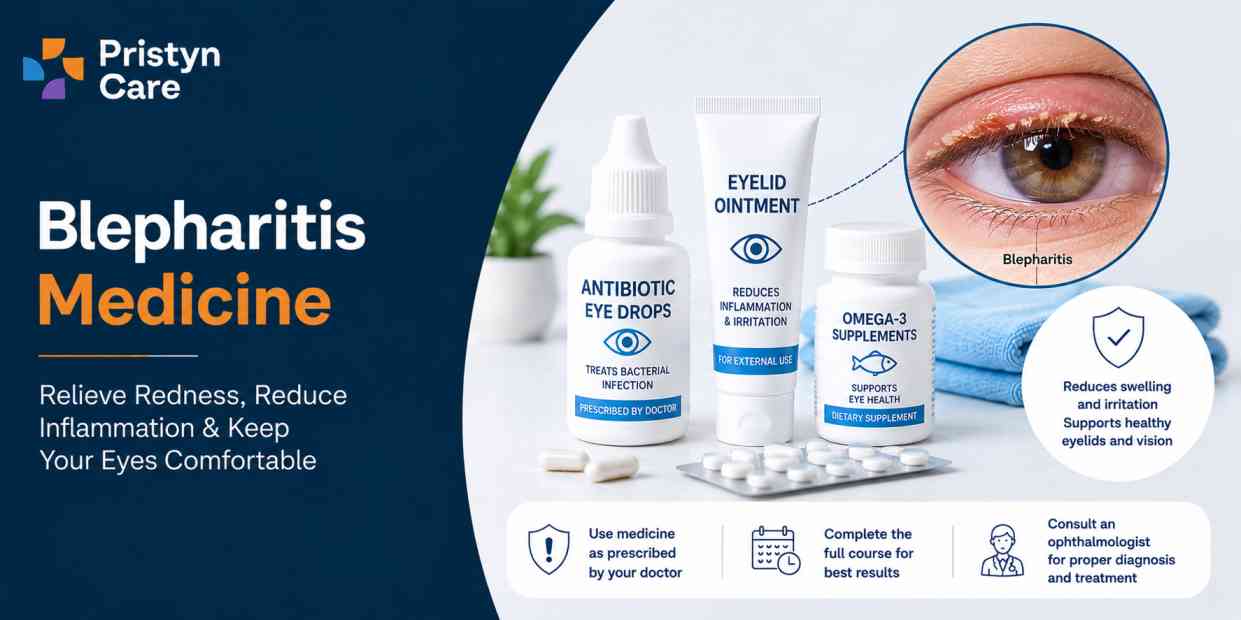
Blepharitis Medicine: What Is the Best Medicine for Blepharitis?
Blepharitis is inflammation of the eyelids, usually affecting the area around the eyelashes. It can cause red or swollen eyelids, itching, burning, irritation, crusting around the eyelashes, watery eyes, and a feeling that something is stuck in the eye.




Dedicated Support at Every Step!
Our Doctors are available 24 hours a day, 7 days a week to help you!

However, there is no single "best medicine" for every case of blepharitis. Treatment depends on the underlying cause and whether the condition is acute, chronic, infectious, or associated with problems such as meibomian gland dysfunction, dry eye, or certain skin conditions.
In many cases, regular eyelid hygiene and warm compresses are an important part of treatment. Some patients may also require prescription eye drops, ointments, antibiotics, or other treatment after an eye examination.
Table of Contents
What Is Blepharitis?
Blepharitis is inflammation of the eyelid margins, particularly around the base of the eyelashes.
It can affect one or both eyes and may occur suddenly or become a long-term, recurring condition.
Blepharitis is generally classified into two broad types:
Anterior Blepharitis
Anterior blepharitis affects the front edge of the eyelid around the eyelashes.
It can be associated with:
- Bacteria
- Dandruff or seborrheic dermatitis
- Eyelash debris
- Skin conditions such as rosacea
Posterior Blepharitis
Posterior blepharitis affects the inner edge of the eyelid and is commonly associated with dysfunction of the meibomian glands, which produce the oily component of the tear film.
This can contribute to dry eyes and irritation.
A person can also have features of both types.
No Cost EMI, Hassle-free Insurance Approval
What Causes Blepharitis?
Blepharitis can have several causes, including:
- Bacterial overgrowth around the eyelids
- Blocked or dysfunctional meibomian glands
- Seborrheic dermatitis
- Rosacea
- Dry eye
- Allergies
- Demodex mites
- Skin conditions
- Poor eyelid hygiene
- Certain environmental irritants
Because the causes can differ, the same medicine may not work for every patient.
What Are the Symptoms of Blepharitis?
Common symptoms include:
- Red eyelids
- Swollen eyelids
- Itchy eyes
- Burning or stinging
- Crusts around the eyelashes
- Flaking around the eyelids
- Watery eyes
- Dry eyes
- Sensitivity to light
- Foreign-body sensation
- Blurred or fluctuating vision
- Eyelashes sticking together
Some people experience symptoms that come and go for months or years.
Is There Any Medicine for Blepharitis?
Yes, medicines can be used to manage certain forms of blepharitis.
However, treatment usually depends on the underlying cause.
| Treatment | Possible role |
| Warm compresses | Loosen eyelid debris and help improve gland secretions |
| Eyelid cleansing | Removes crusts and debris |
| Artificial tears | Relieve associated dry-eye symptoms |
| Antibiotic eye ointment/drops | Used in selected bacterial or inflammatory cases |
| Oral antibiotics | May be prescribed for selected chronic or associated conditions |
| Anti-inflammatory eye drops | Used in selected cases under ophthalmologist supervision |
| Treatment for Demodex | Used when Demodex infestation contributes to blepharitis |
| Treatment of underlying skin disease | May reduce recurrent inflammation |
The goal is not simply to suppress redness. It is to identify and manage the factors causing the eyelid inflammation.
What Is the Best Medicine for Blepharitis?
There is no universal best medicine for blepharitis.
The right treatment depends on the type and cause of the condition.
For mild blepharitis
Regular eyelid hygiene and warm compresses may be the foundation of treatment.
For bacterial involvement
An eye doctor may prescribe an appropriate topical antibiotic.
For significant inflammation
An ophthalmologist may prescribe an anti-inflammatory treatment for a limited period.
For meibomian gland dysfunction
Treatment may focus on warm compresses, eyelid massage, lubrication, and management of the underlying gland dysfunction.
For Demodex-related blepharitis
Specific treatment may be recommended after the condition is identified.
This is why simply searching for the strongest blepharitis medicine may not provide the right solution.
Blepharitis Eye Drops
Eye drops are commonly used when blepharitis is accompanied by dry eye, irritation, or inflammation.
Artificial Tears
Artificial tears can help relieve:
- Dryness
- Burning
- Grittiness
- Foreign-body sensation
- Irritation
They can improve comfort but do not necessarily treat the underlying eyelid inflammation.
Prescription Eye Drops
In selected cases, an ophthalmologist may prescribe antibiotic or anti-inflammatory eye drops.
These should be used according to medical advice because different causes of blepharitis require different treatment.
Avoid using leftover eye drops from a previous eye infection without professional advice.
Blepharitis Eye Ointment
An antibiotic eye ointment may sometimes be prescribed when bacterial involvement is suspected.
Ointments can remain in contact with the eyelid margin longer than drops, which can be useful in selected cases.
However, antibiotic ointments should not be used unnecessarily or repeatedly without medical guidance.
If the symptoms are caused primarily by meibomian gland dysfunction, dry eye, allergies, or another condition, an antibiotic ointment may not address the underlying problem.
Can Antibiotics Cure Blepharitis?
Antibiotics may be helpful in certain forms of blepharitis, particularly when bacterial involvement is suspected.
However, blepharitis is not always caused by bacteria.
If the underlying problem is meibomian gland dysfunction, seborrheic dermatitis, rosacea, Demodex, or another condition, antibiotics alone may not provide lasting control.
This is one reason chronic blepharitis can return after a temporary improvement.
Can Steroid Eye Drops Treat Blepharitis?
Steroid-containing eye drops can reduce inflammation and may be prescribed for selected cases.
However, they should not be self-used.
Steroid eye drops can have important side effects when used incorrectly or for prolonged periods, including increased eye pressure and other eye complications.
An ophthalmologist should determine whether steroid treatment is appropriate and how long it should be used.
Can Blepharitis Be Treated Without Medicine?
Yes.
For many patients, eyelid hygiene is one of the most important parts of managing blepharitis.
A typical eyelid-care routine may involve:
- Wash your hands.
- Apply a warm, clean compress over closed eyelids.
- Keep the compress warm for several minutes.
- Gently clean the eyelid margins.
- Remove loosened crusts and debris without aggressively rubbing the eyes.
- Repeat regularly as advised by your eye doctor.
Warm compresses can help soften crusts and loosen oils that have thickened around the eyelid glands.
The routine may need to continue even after symptoms improve because chronic blepharitis can recur.
 Doctor available
5.0/5

48+ Years Experience Overall
Doctor available
MBBS, Diploma in Radio Diagnosis & MD-TB & Respiratory Diseases
₹1200₹600Consultation Fee
4.5/5
47+ Years Experience Overall
Doctor available
4.5/5
45+ Years Experience Overall
Doctor available
4.5/5
45+ Years Experience Overall
Doctor available
4.9/5
44+ Years Experience Overall
Doctor available
MBBS, Diploma in Ophthalmologist, MS-Ophthalmologist
₹1200₹600Consultation Fee
4.5/5
43+ Years Experience Overall
Doctor available
4.5/5
42+ Years Experience Overall
Doctor available
5.0/5
42+ Years Experience Overall
Doctor available
4.5/5
41+ Years Experience Overall
Doctor available
5.0/5
41+ Years Experience Overall
How to Clean Eyelids During Blepharitis?
Eyelid cleaning should be gentle.
Avoid:
- Scrubbing the eyelids aggressively
- Using harsh soaps
- Applying random antiseptics near the eyes
- Using cosmetic products directly over irritated eyelids
- Sharing towels
- Using expired eye products
If your doctor recommends a specific eyelid cleanser or treatment, follow those instructions.
How Long Does Blepharitis Take to Go Away?
The recovery time depends on the type and severity of blepharitis.
Some acute episodes may improve relatively quickly with appropriate treatment.
Chronic blepharitis, however, may require long-term management rather than a short course of medicine.
This means that even when the redness and irritation improve, maintaining eyelid hygiene may remain important.
If symptoms do not improve despite appropriate treatment, an ophthalmologist should reassess the diagnosis.
Can Blepharitis Be Permanently Cured?
Blepharitis can often be controlled effectively, but chronic forms may tend to recur.
The long-term outlook depends on the underlying cause.
For example:
- Bacterial involvement may respond to appropriate treatment.
- Dry eye may require ongoing management.
- Meibomian gland dysfunction can require continued eyelid care.
- Rosacea or seborrheic dermatitis may need long-term management.
- Demodex-related disease may require specific treatment.
Therefore, the objective is often long-term control and prevention of flare-ups, rather than expecting one tablet or eye drop to permanently eliminate the condition.
Why Does Blepharitis Keep Coming Back?
Recurrent blepharitis can happen because the underlying trigger remains present.
Possible reasons include:
- Meibomian gland dysfunction
- Chronic dry eye
- Rosacea
- Seborrheic dermatitis
- Demodex
- Persistent eyelid inflammation
- Incomplete eyelid hygiene
- Environmental irritation
If you repeatedly use medicine every time symptoms appear but the problem keeps returning, it may be time to investigate the underlying cause.
Can Blepharitis Cause Other Eye Problems?
Persistent blepharitis can be associated with other eye-surface problems.
It may contribute to:
- Dry eye
- Tear-film instability
- Recurrent styes
- Chalazion
- Eyelid irritation
- Eye-surface inflammation
In some patients, chronic inflammation can significantly affect comfort and visual quality.
Persistent symptoms should therefore not be ignored simply because blepharitis is usually not considered a serious eye emergency.
When Should You See an Eye Doctor?
Consult an ophthalmologist if:
- Symptoms persist despite eyelid hygiene
- Blepharitis repeatedly comes back
- You have significant eyelid swelling
- There is eye pain
- Vision becomes blurred or reduced
- You develop light sensitivity
- There is significant discharge
- A painful lump develops on the eyelid
- Symptoms affect daily activities
- You are unsure whether the problem is actually blepharitis
Seek urgent eye care if:
- Vision suddenly decreases
- You have severe eye pain
- There is significant swelling around the eye
- You have severe light sensitivity
- The eye becomes very red and painful
These symptoms may indicate a condition other than routine blepharitis.
Does Blepharitis Require Surgery?
Most cases of blepharitis do not require surgery.
Treatment is generally focused on eyelid hygiene, managing the underlying cause, and using medicines when appropriate.
However, a separate eyelid problem can sometimes develop alongside blepharitis.
For example, a blocked eyelid gland can result in a chalazion, which may persist as a firm lump even after the initial inflammation improves.
Persistent lumps should be examined by an ophthalmologist to determine whether additional treatment is required.
The important distinction is that surgery is not a routine treatment for ordinary blepharitis itself.
Blepharitis Medicine vs Other Treatments
| Treatment | Main purpose | When it may help |
| Warm compress | Loosen debris and gland secretions | Many forms of blepharitis |
| Eyelid cleansing | Remove crusts and debris | Anterior blepharitis |
| Artificial tears | Reduce dry-eye symptoms | Associated dry eye |
| Antibiotic drops/ointment | Manage selected bacterial/inflammatory cases | When prescribed |
| Oral antibiotics | Manage selected chronic/inflammatory conditions | Specific cases |
| Anti-inflammatory drops | Reduce significant inflammation | Selected cases under supervision |
| Demodex-specific treatment | Address mite-related disease | Confirmed/suspected Demodex |
| Treatment of underlying skin disease | Reduce recurrence | Rosacea, seborrheic dermatitis, etc. |
The best treatment is the one that addresses the specific cause of your blepharitis.
Don’t Keep Changing Blepharitis Medicines
If your eyes become red or itchy repeatedly, changing between different eye drops may not solve the problem.
For example:
Eye drops → antibiotic ointment → another eye drop → temporary relief → symptoms return
may happen when the underlying condition has not been identified.
Instead, the better approach is:
Identify the type of blepharitis → determine the underlying cause → start appropriate treatment → maintain eyelid care → manage associated dry eye or gland dysfunction
This is particularly important for chronic or recurrent blepharitis.
Frequently Asked Questions
1. What is the best medicine for blepharitis?
There is no single best medicine. Treatment depends on the cause and may include eyelid hygiene, warm compresses, artificial tears, prescription antibiotics, anti-inflammatory medicines, or treatment for an underlying condition.
2. Which eye drop is best for blepharitis?
It depends on the cause. Artificial tears may help dryness and irritation, while prescription eye drops may be used for selected inflammatory or infectious cases. An ophthalmologist can determine which treatment is appropriate.
3. Can antibiotics cure blepharitis?
Antibiotics may help selected cases, but not every type of blepharitis is caused by bacteria. Chronic blepharitis may also involve meibomian gland dysfunction, dry eye, skin conditions, or Demodex.
4. Can blepharitis go away on its own?
Mild cases may improve with regular eyelid hygiene and removal of irritants. Persistent or recurrent symptoms should be evaluated by an eye doctor.
5. How do I treat blepharitis at home?
Warm compresses and gentle eyelid cleaning are commonly recommended. Avoid harsh soaps, aggressive rubbing, and random eye medications.
6. Can blepharitis cause blurred vision?
It can sometimes cause fluctuating or temporarily blurred vision, particularly when the tear film is affected. Persistent or significant vision changes should be evaluated promptly.
7. Is blepharitis permanently curable?
Some causes can be treated effectively, but chronic blepharitis may require ongoing management to prevent flare-ups.
8. Does blepharitis require surgery?
Usually not. Surgery is not a routine treatment for blepharitis. A separate persistent eyelid lump, such as a chalazion, may require additional treatment.
9. Why does my blepharitis keep coming back?
Recurrent blepharitis can be related to meibomian gland dysfunction, dry eye, rosacea, seborrheic dermatitis, Demodex, or other underlying factors.
10. When should I see an ophthalmologist for blepharitis?
See an ophthalmologist if symptoms persist, repeatedly recur, significantly affect your eyes, or are associated with pain, light sensitivity, discharge, or vision changes.


Conclusion
If you are searching for blepharitis medicine, it is important to remember that there is no single medicine that works for every type of blepharitis.
Treatment depends on the underlying cause. Warm compresses and regular eyelid hygiene are often important, while artificial tears, antibiotic medicines, anti-inflammatory treatment, or specific treatment for conditions such as Demodex or meibomian gland dysfunction may be recommended in selected cases.
Because chronic blepharitis can repeatedly return, simply using an eye drop whenever symptoms appear may not provide lasting control.
If your eyelids remain red, swollen, itchy, crusty, or irritated despite appropriate care, or if you experience eye pain or vision changes, consult an ophthalmologist for a proper diagnosis and treatment plan.
Disclaimer: This content is intended for general informational purposes only and should not be considered a substitute for professional medical advice, diagnosis, or treatment. Do not start, stop, or change any eye medication without consulting a qualified eye-care professional.
Social share:





Related Calculators

Dedicated Support at Every Step!
Our Doctors are available 24 hours a day, 7 days a week to help you!
Related Calculators
Get In Touch with our expert doctors !
- please enter 10 digit number.


