


Table of Contents
What are Ovarian Cysts?
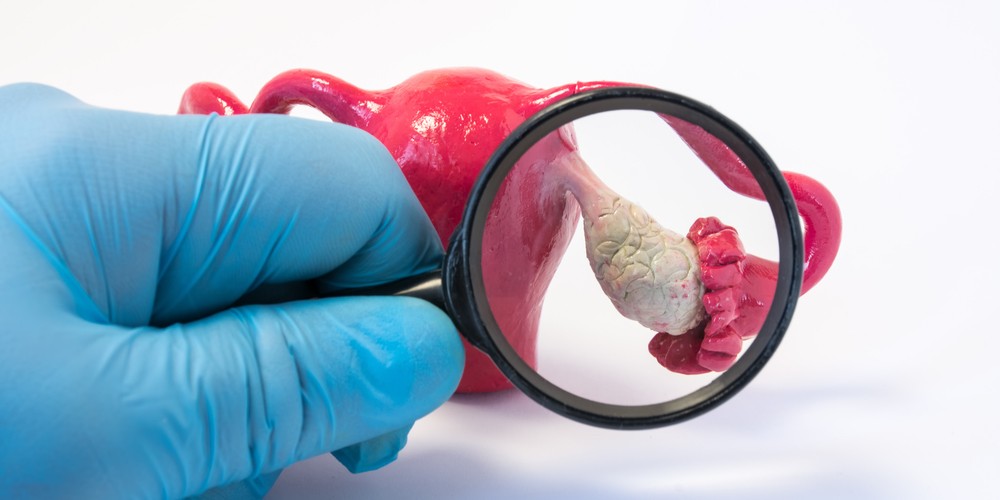
Ovarian cysts are fluid-filled sacs that develop in or on the ovaries. They are common, especially during the reproductive years, and many ovarian cysts are harmless and disappear on their own without treatment.
Some ovarian cysts may cause symptoms such as pelvic or abdominal pain, bloating, pain during sex, changes in menstrual periods, or a feeling of pressure in the abdomen. The symptoms depend on the size, type, and cause of the cyst.
Most functional ovarian cysts resolve naturally within a few weeks to months. However, some cysts may persist, become large, rupture, or twist the ovary and require medical evaluation and treatment.
Can Home Remedies Cure Ovarian Cysts?
Home remedies cannot reliably shrink or dissolve an ovarian cyst. There is limited scientific evidence supporting the use of castor oil, apple cider vinegar, herbal teas, or specific juices for treating ovarian cysts.
However, some simple measures may help manage mild symptoms such as pelvic discomfort or menstrual cramps while the cyst is being monitored. The appropriate approach depends on the type and size of the cyst and the symptoms you experience.
1. Apply a Warm Compress
A warm heating pad or hot-water bottle placed over the lower abdomen may help relax muscles and temporarily relieve pelvic cramps or discomfort.
Use a comfortably warm temperature and avoid placing very hot objects directly on the skin. Heat can help with pain, but it does not remove or shrink the ovarian cyst.
2. Stay Hydrated
Drinking enough water helps maintain normal body functions and may support overall digestive health. Although adequate hydration does not treat ovarian cysts, it is an important part of maintaining general health.
3. Follow a Balanced, High-Fiber Diet
A balanced diet containing vegetables, fruits, whole grains, legumes, and other fiber-rich foods can support digestive health and help prevent constipation.
There is no specific food that has been proven to dissolve ovarian cysts. Instead of relying on restrictive diets or individual foods, focus on a varied and nutritious eating pattern.
4. Gentle Physical Activity
Light activities such as walking or gentle stretching may help improve general well-being and reduce some types of muscle tension or discomfort.
If an ovarian cyst is large or you have significant pelvic pain, ask your doctor which activities are appropriate. Avoid strenuous exercise if it worsens your symptoms.
5. Get Adequate Rest
Getting enough sleep and allowing your body to rest can help you cope with discomfort and support overall well-being. If pain is interfering with sleep or daily activities, consult a healthcare professional rather than relying only on home remedies.
What About Castor Oil Packs for Ovarian Cysts?
Castor oil packs are sometimes promoted as a natural treatment for ovarian cysts. However, there is not enough reliable scientific evidence to show that applying castor oil to the abdomen can shrink, dissolve, or remove an ovarian cyst.
Castor oil may also cause skin irritation in some people. It should not be considered a substitute for medical evaluation or treatment when an ovarian cyst requires monitoring.
Can Apple Cider Vinegar or Beetroot Shrink Ovarian Cysts?
There is no good clinical evidence that apple cider vinegar, beetroot juice, or similar home remedies can shrink or dissolve ovarian cysts. Including these foods or drinks as part of a balanced diet may be reasonable for most people, but they should not be used as a treatment for ovarian cysts.
When Should You See a Gynecologist?
Many ovarian cysts do not require treatment, but medical evaluation is important if you have persistent or recurrent symptoms. Your doctor may recommend an ultrasound or other tests to determine the type and size of the cyst.
Seek urgent medical attention if you experience sudden, severe pelvic or abdominal pain, especially when it is accompanied by nausea, vomiting, dizziness, weakness, fainting, or fever. These symptoms can occur with complications such as ovarian torsion or a ruptured cyst.
How Are Ovarian Cysts Treated?
Treatment depends on factors such as your age, symptoms, the appearance and size of the cyst, and whether the cyst changes over time.
- Watchful waiting: Many simple or functional cysts disappear naturally, so your doctor may recommend monitoring them with follow-up ultrasound.
- Medicines: Pain-relieving medicines may be recommended to manage discomfort. Hormonal contraception may sometimes be prescribed to prevent new functional cysts, although it does not usually make an existing cyst disappear.
- Surgery: A persistent, large, complex, symptomatic, or suspicious cyst may require surgical removal. The type of surgery depends on the individual case.
Can Ovarian Cysts Affect Fertility?
Most ovarian cysts do not cause infertility. However, certain conditions associated with ovarian cysts, such as endometriosis or polycystic ovary syndrome (PCOS), can affect fertility. Some large or complicated cysts may also require treatment depending on their effect on the ovary.
If you are trying to conceive and have been diagnosed with an ovarian cyst, discuss your fertility plans with a gynecologist before starting any treatment.
Meet Our Gynecologists
If you have persistent pelvic pain, menstrual changes, or have been diagnosed with an ovarian cyst, consult a gynecologist for appropriate evaluation. Your doctor can determine whether the cyst requires monitoring, medication, or further treatment.
 Doctor available





.jpg/1719467422422_ban-Icon.png)







.jpg/1659710531266_ban-Icon.png)
.jpg/1721735880936_ban-Icon.png)


.jpg/1712404409865_ban-Icon.png)