


 Views: 66
Hysteroscopy Before IVF – Why It Matters
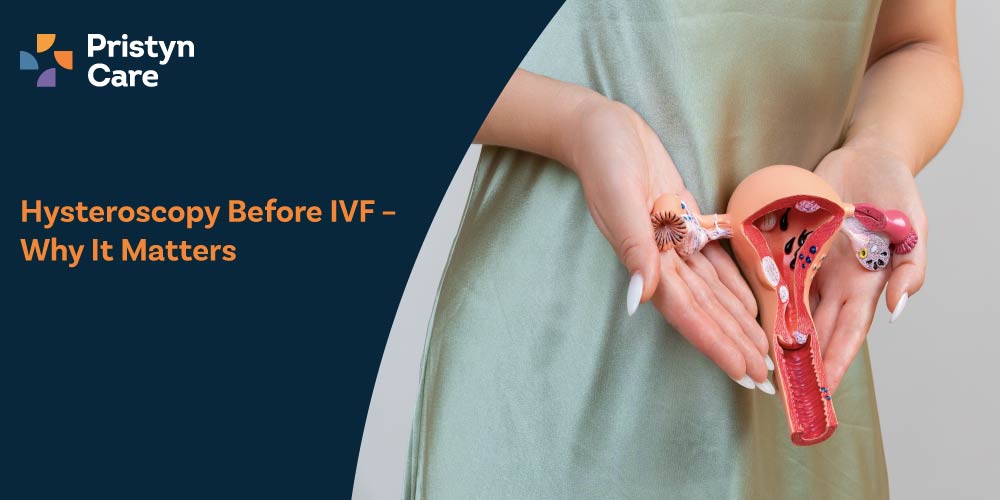
Preparing the uterus before IVF is crucial for improving the chances of successful implantation. One important step in this evaluation is hysteroscopy, a minimally invasive procedure that allows doctors to examine the inside of the uterus.



Dedicated Support at Every Step!
Our Doctors are available 24 hours a day, 7 days a week to help you!

Understanding hysteroscopy before IVF—why it matters helps patients optimize outcomes and avoid repeated IVF failures.
Table of Contents
What Is Hysteroscopy?
Hysteroscopy involves:
- Inserting a thin camera (hysteroscope) through the cervix
- Directly visualizing the uterine cavity
- Diagnosing and sometimes treating abnormalities
No Cost EMI, Hassle-free Insurance Approval
Why Is Hysteroscopy Done Before IVF?
IVF success depends heavily on a healthy uterine environment. Hysteroscopy helps ensure that the uterus is ready for embryo implantation.
Key Reasons Hysteroscopy Matters Before IVF
1. Detects Hidden Uterine Abnormalities
- Polyps
- Fibroids
- Adhesions (scar tissue)
- Congenital abnormalities
These may not always be visible on ultrasound.
2. Improves Implantation Rates
- Identifies issues that can prevent embryo attachment
- Treating abnormalities increases chances of success
3. Helps in Repeated IVF Failures
- Essential in patients with previous failed IVF cycles
- Detects underlying causes not previously identified
4. Allows Simultaneous Treatment
- Minor issues can be corrected during the same procedure
- Avoids the need for separate surgery
5. Provides Direct Visualization
- More accurate than imaging tests alone
- Offers a clear view of the uterine lining
When Is Hysteroscopy Recommended Before IVF?
- Repeated IVF failure
- Abnormal ultrasound findings
- History of miscarriage
- Suspected uterine abnormalities
 Doctor available
MBBS, MS-Obs & Gynae | Chief Consultant – IVF & Fertility Sciences
₹2400₹1200Consultation Fee

5.0/5

34+ Years Experience Overall
Doctor available
4.5/5
22+ Years Experience Overall
Doctor available
4.5/5
16+ Years Experience Overall
Doctor available
4.5/5
12+ Years Experience Overall
Doctor available
MBBS, MS-Obs&Gynae, Fellowship N.B. (Reproductive Medicine)
₹2400₹1200Consultation Fee
4.5/5
11+ Years Experience Overall
Doctor available
4.9/5
12+ Years Experience Overall
 Doctor available
4.5/5
16+ Years Experience Overall
Doctor available
5.0/5
16+ Years Experience Overall
Doctor available
MBBS, MS - Obstetrics & Gynaecology, DNB, MRCOG (Part 1) FIRM
₹1200₹600Consultation Fee
4.5/5
16+ Years Experience Overall
Doctor available
4.8/5
14+ Years Experience Overall
Conditions Commonly Detected
- Uterine Fibroids
- Endometrial Polyps
- Intrauterine adhesions
What to Expect During the Procedure
- Usually done as a day-care procedure
- May or may not require anesthesia
- Takes about 15–30 minutes
Recovery After Hysteroscopy
- Mild cramping or spotting
- Quick return to normal activities
- Minimal downtime

Free IVF Surgery Cost Calculator

Our care coordinator will call you shortly.
Risks and Considerations
- Infection (rare)
- Mild discomfort
- Very low risk of complications


Final Thoughts
Hysteroscopy before IVF plays a vital role in identifying and correcting uterine issues that could affect implantation. By ensuring a healthy uterine environment, it significantly improves the chances of IVF success.
A fertility specialist can guide whether hysteroscopy is necessary based on individual history and treatment goals, helping achieve better reproductive outcomes.
Social share:



Related Calculators

Dedicated Support at Every Step!
Our Doctors are available 24 hours a day, 7 days a week to help you!
Related Calculators
Get In Touch with our expert doctors !
- please enter 10 digit number.


