Table of Contents
How to Delay Your Periods Safely: Methods, Side Effects and Precautions
Whether you have a wedding, vacation, exam or special event coming up, you may want to delay your period for convenience. Hormonal medications can help postpone menstruation, but the right option depends on your health, menstrual cycle and current contraceptive use.
Period-delay medication may cause side effects and is not suitable for everyone. Consult a gynaecologist before taking any tablets, and avoid self-medicating.
Also Read: Know It All About Period Pain – Normal Pain or Abnormal Pain?
How Do Birth Control Pills Delay Periods?
During a typical menstrual cycle, hormone levels change, causing the uterine lining to shed and menstruation to begin. Hormonal medications can alter this process and postpone withdrawal bleeding.
The method used depends on the type of medication:
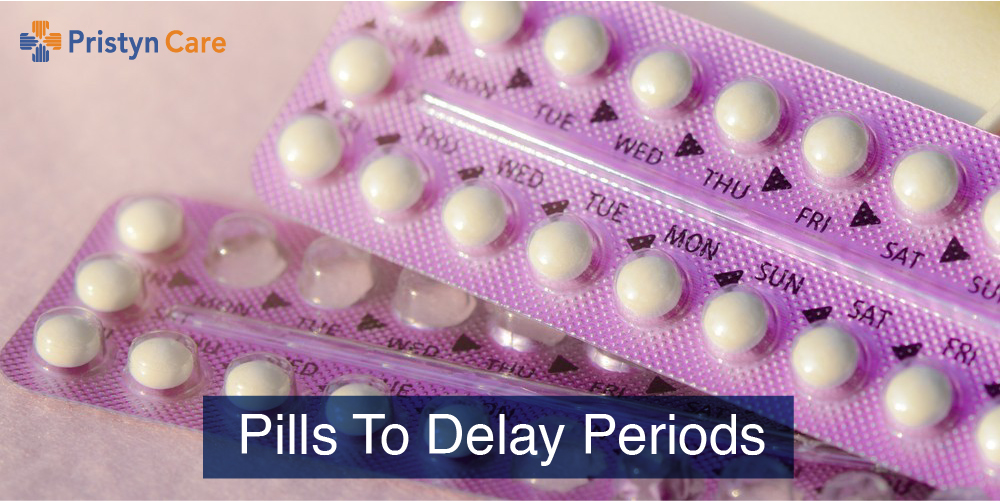
- Combined birth control pills: Some combined pills contain active hormone tablets followed by inactive tablets or a hormone-free interval. Skipping the inactive tablets and continuing with active pills may delay withdrawal bleeding. The correct approach depends on the pill formulation, so follow your healthcare professional’s advice.
- Period-delay tablets: A progestogen medication, such as norethisterone, may be prescribed to postpone a period. It generally needs to be started before the expected period, according to the prescribed schedule. It is not a contraceptive, so use another suitable method to prevent pregnancy.
Period-delay medication does not work equally for everyone, and spotting or breakthrough bleeding may still occur.
Why Do People Choose to Delay Their Periods?
People may choose to postpone menstruation for personal, practical or medical reasons, including:
- Managing periods during a wedding, honeymoon, vacation, exam or sporting event.
- Reducing the inconvenience of menstrual bleeding during travel or special occasions.
- Managing painful periods or symptoms associated with conditions such as endometriosis.
- Reducing menstrual-related symptoms, such as cramps, bloating, breast tenderness or mood changes.
- Managing menstrual-related migraines or heavy bleeding under medical guidance.
For some people, menstrual suppression may also help when managing a disability or a condition that makes menstrual hygiene difficult.
Also Read: Foods That May Affect Your Menstrual Cycle
What Are the Side Effects of Period-Delay Pills?
Period-delay medication and hormonal contraceptives can cause side effects, although not everyone experiences them. Possible effects include:
- Spotting or breakthrough bleeding
- Headaches or dizziness
- Nausea or bloating
- Breast tenderness
- Mood changes
- Acne or changes in skin condition
- Changes in menstrual bleeding after stopping the medication
Some hormonal medicines also carry less common but serious risks. These depend on the medication and individual health factors. Seek urgent medical care if you develop chest pain, sudden shortness of breath, severe headache, vision changes, or painful swelling in one leg. Yellowing of the skin or eyes, or a severe allergic reaction, also requires prompt medical attention.
What Should You Know Before Taking Period-Delay Pills?
Before using medication to postpone menstruation, keep the following precautions in mind:
- Consult a gynaecologist: Your medical history, current medicines and risk factors help determine whether a particular option is appropriate.
- Plan ahead: Some medicines need to be started several days before your expected period. Follow the prescribed timing rather than experimenting on your own.
- Understand pregnancy prevention: Period-delay tablets are not necessarily contraceptives. Confirm whether you need a separate method to prevent pregnancy.
- Discuss existing health conditions: Tell your doctor if you have a history of blood clots, migraine, liver disease, high blood pressure or other relevant conditions.
- Do not rely on these pills to regulate unexplained delays: A late or missed period can have several causes, including pregnancy, stress, thyroid disorders and PCOS.
- Know what to expect: Spotting may occur, and the timing of your next period can vary after stopping medication.
Avoid taking period-delay medication repeatedly without medical advice. Menstrual suppression can be appropriate for some people, but the safest approach depends on the medicine and your individual circumstances.
Also Read: Effective Tips on How to Get Periods Early
Conclusion
Delaying your period may be possible with certain hormonal medicines, but the appropriate method depends on your health, menstrual cycle and contraceptive use. Consult a gynaecologist before taking period-delay tablets, and discuss any existing medical conditions or medicines you use.
If your period is unexpectedly late, consider taking a pregnancy test if pregnancy is possible. Seek medical advice if your periods are repeatedly irregular, unusually heavy or associated with severe pain. You can also prepare for your appointment by reviewing these questions to ask your gynaecologist.